
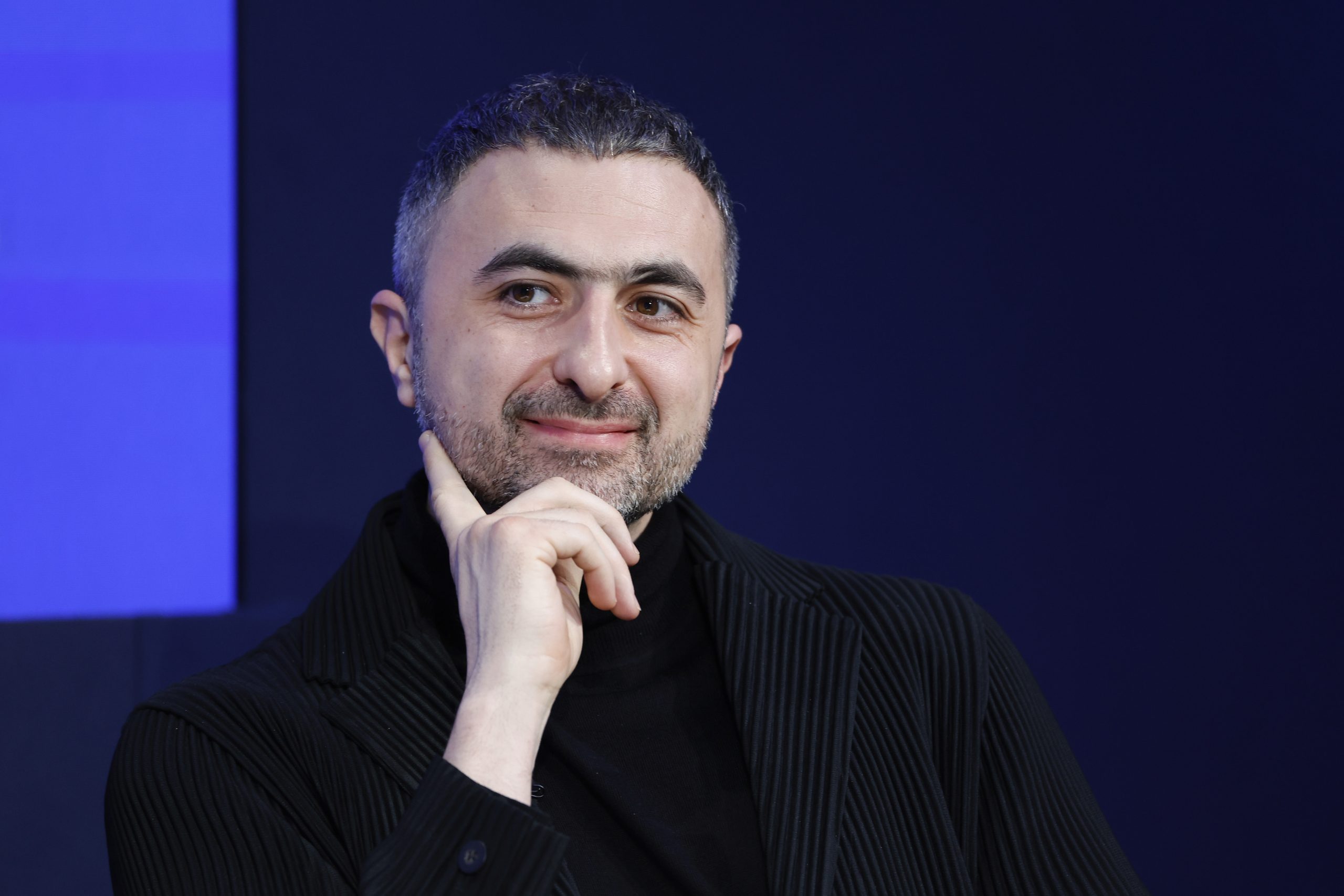
Microsoft AI’s Mustafa Suleyman announced that a new transcription model is a significant step towards achieving the company’s goals. As Microsoft’s first CEO of AI, Suleyman has been transitioning his responsibilities after a corporate restructuring in March to focus on superintelligence. He mentioned that renegotiating the OpenAI contract was a crucial step in this transition, allowing Microsoft to aim for superintelligence with a clear focus on business productivity. According to Suleyman, the definition of superintelligence in the AI industry remains ambiguous, but for him, it’s about delivering valuable products for enterprises and developers. The pressure on AI companies to generate revenue is growing, and Microsoft is echoing OpenAI’s strategy through its recent reorganization, which unified enterprise and consumer teams under Copilot AI, with Jacob Andreou leading the new structure. As a part of these efforts, Microsoft introduced a new transcription model that is half the GPU cost of state-of-the-art models, significantly reducing operational costs. Named MAI-Transcribe-1, it aims to advance speech recognition, capable of working in 25 languages under challenging conditions. It will be available through Microsoft Foundry and AI Playground, highlighting Microsoft’s commitment to making these advancements commercially viable. Suleyman credited the success of the new model to a dedicated 10-person team, free from bureaucracy, ensuring efficient and innovative development. This strategy aligns with the broader tech industry trend toward organizational flattening, as seen with companies like Meta and Google. Suleyman emphasizes the pursuit of “human-centered” AI, ensuring AI serves individuals effectively and aligns with their needs, embodying Microsoft’s vision of “humanist superintelligence.”
Microsoft’s new ‘superintelligence’ game plan focuses on business

2 Min Read