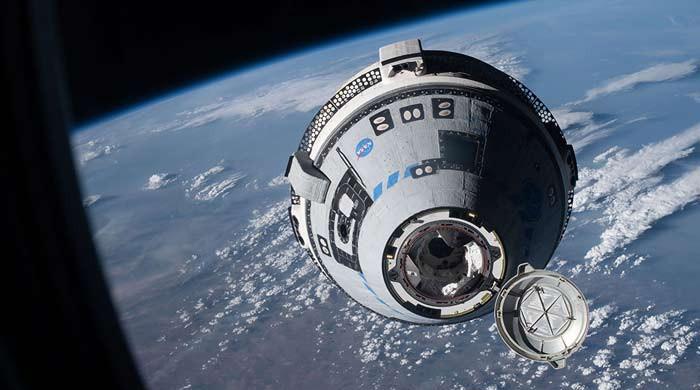
was altered to enable Boeing and NASA “to concentrate on safely certifying the system in 2026,” and executing crew rotations “when prepared.” The mutually accepted alteration modifies upcoming missions, decreasing them to four in total instead of the initial six, with “two remaining as options.” The following flight will be a cargo-only test, named Starliner-1, slated for no sooner than April 2026. The Starliner-1 mission will take place after essential system enhancements, enabling both teams to adequately evaluate in-flight validations, testing abilities, certifications, and mission preparedness. NASA mentions in its blog conveying the news that, subsequent to certification and following a successful mission, Starliner will “conduct up to three crew rotations” to the ISS.
The inaugural crewed test flight by Starliner in 2024 effectively transported NASA astronauts Sunita Williams and Butch Wilmore to the ISS as intended. Nevertheless, during the docking procedures, it encountered propulsion and thruster issues. Boeing’s Starliner capsule returned home empty, with the astronauts instead brought back on a SpaceX Crew Dragon capsule. This meant that some of the crew, including Williams, were left in space significantly longer than initially planned. Fortunately, the ISS is designed to accommodate up to seven individuals simultaneously. This also coincides with a period where renewed space exploration appears to be in the works, as NASA has announced an official date for the first crewed mission to the moon in over half a century.
