
NASA’s Perseverance rover has uncovered evidence of an ancient river beneath Mars’ surface in Jezero Crater. Using ground-penetrating radar, the rover revealed sediment layers indicative of a once fast-moving river, potentially comparable to Earth’s medium-sized rivers. Before Perseverance, it was suspected that Jezero Crater housed a lake, due to surface delta formations seen via satellites. The rover’s findings suggest the river existed between 3.7 to 4.2 billion years ago and was part of a vast system not visible from orbital images. New data published in “Science Advances” indicates the river was stable over time, supporting the notion that Mars once harbored life-friendly conditions. Mars, now cold and dry, likely had a thicker atmosphere and warmer climate billions of years ago. The rover’s “Rimfax” instrument uncovered these details, detecting surfaces shaped by water. Similar findings were made by China’s Zhurong rover in Utopia Planitia, hinting at ancient Martian oceans. Perseverance continues to collect samples to bring back to Earth, though the Mars Sample Return mission faces considerable challenges, requiring higher budgets and extended timelines. Recent discoveries even point to potential signs of past life in collected samples.
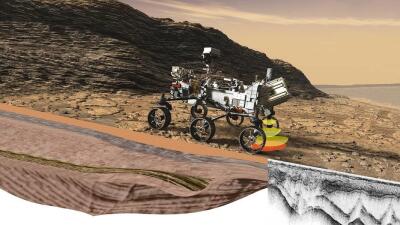
New Evidence Reveals Ancient Mars River Was Larger and Faster Than Previously Believed

1 Min Read