
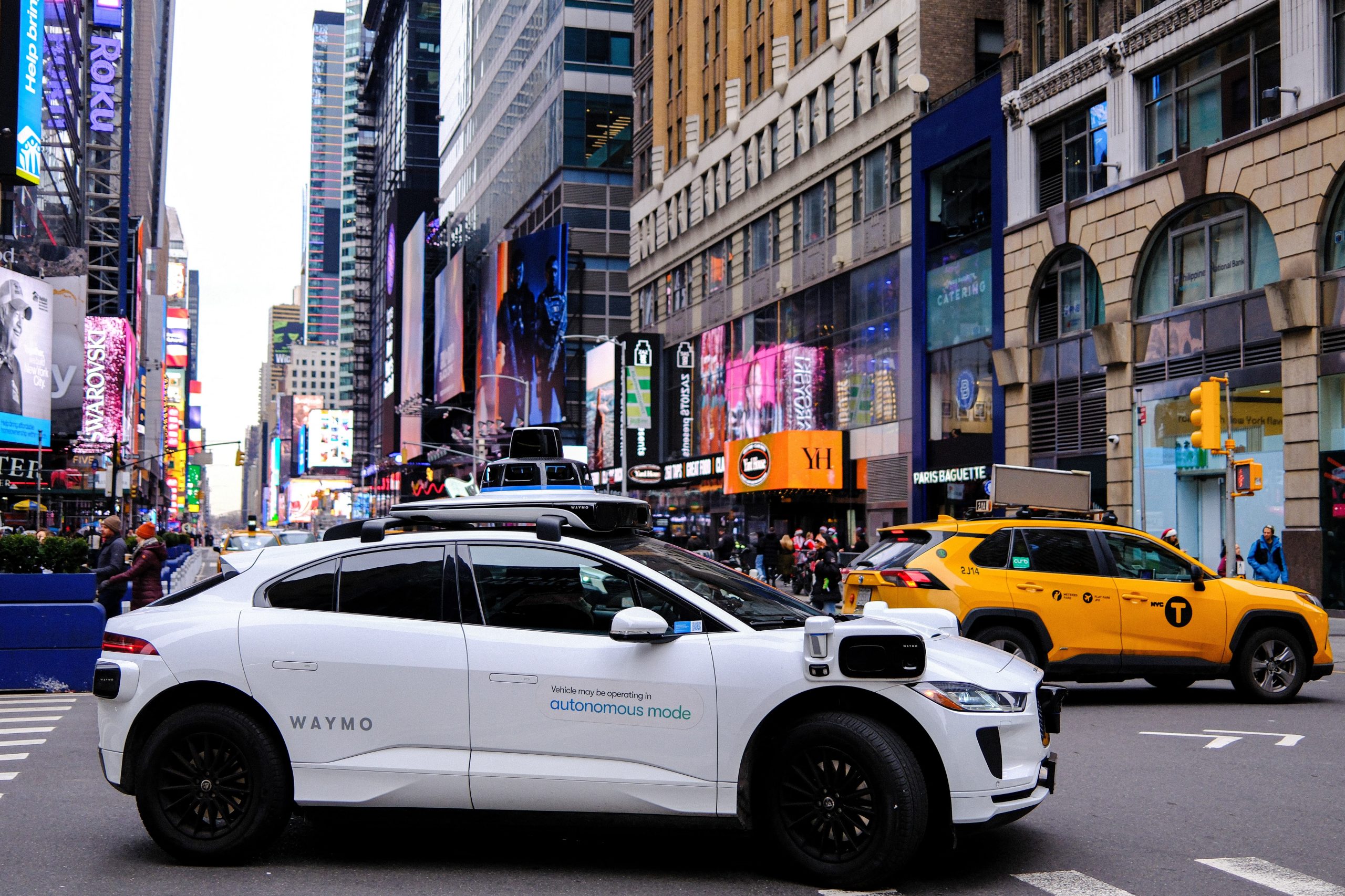

The proposal to allow limited deployment of robotaxis outside New York City was abandoned due to insufficient support from state legislators. New York Governor Kathy Hochul (D) had included this plan in the state’s budget proposal, permitting robotaxi operations in cities other than New York City, while leaving the decision about New York City to its mayor and City Council. However, the plan did not gain legislative backing. “It was clear that the support was not there to advance this proposal,” stated Sean Butler, Hochul’s spokesperson. This development is a setback for Waymo, which had identified New York, particularly NYC, as a promising market for its robotaxi service. Waymo has lobbied strongly since 2019, spending at least $1.8 million in efforts to sway Hochul and state lawmakers, as well as city officials.
Waymo is already testing its vehicles, currently operated manually, in New York City under a permit that expires on March 31. The company offers driverless ridehail services in six US cities and aims to expand to 20 more cities in 2026. “While disappointed by the Governor’s decision, we’re committed to launching our service in New York,” said Waymo spokesperson Ethan Teicher. “Collaboration with the State Legislature to prioritize transparency and public safety is essential.” New York currently requires safety drivers in the vehicle with their hands on the wheel. Although an earlier requirement for a police escort has been removed, other companies have struggled to penetrate the NYC market.
Cruise had intended to test self-driving cars in lower Manhattan in 2017 but later abandoned those plans. Optimus Ride tested autonomous shuttles in Brooklyn but only on private roads, and Mobileye, part of Intel, tested several vehicles in the city. Due to its rigorous AV regulations, New York is not as accommodating as states like Arizona, Texas, or California but remains a lucrative robotaxi market due to its significant taxi demand.