

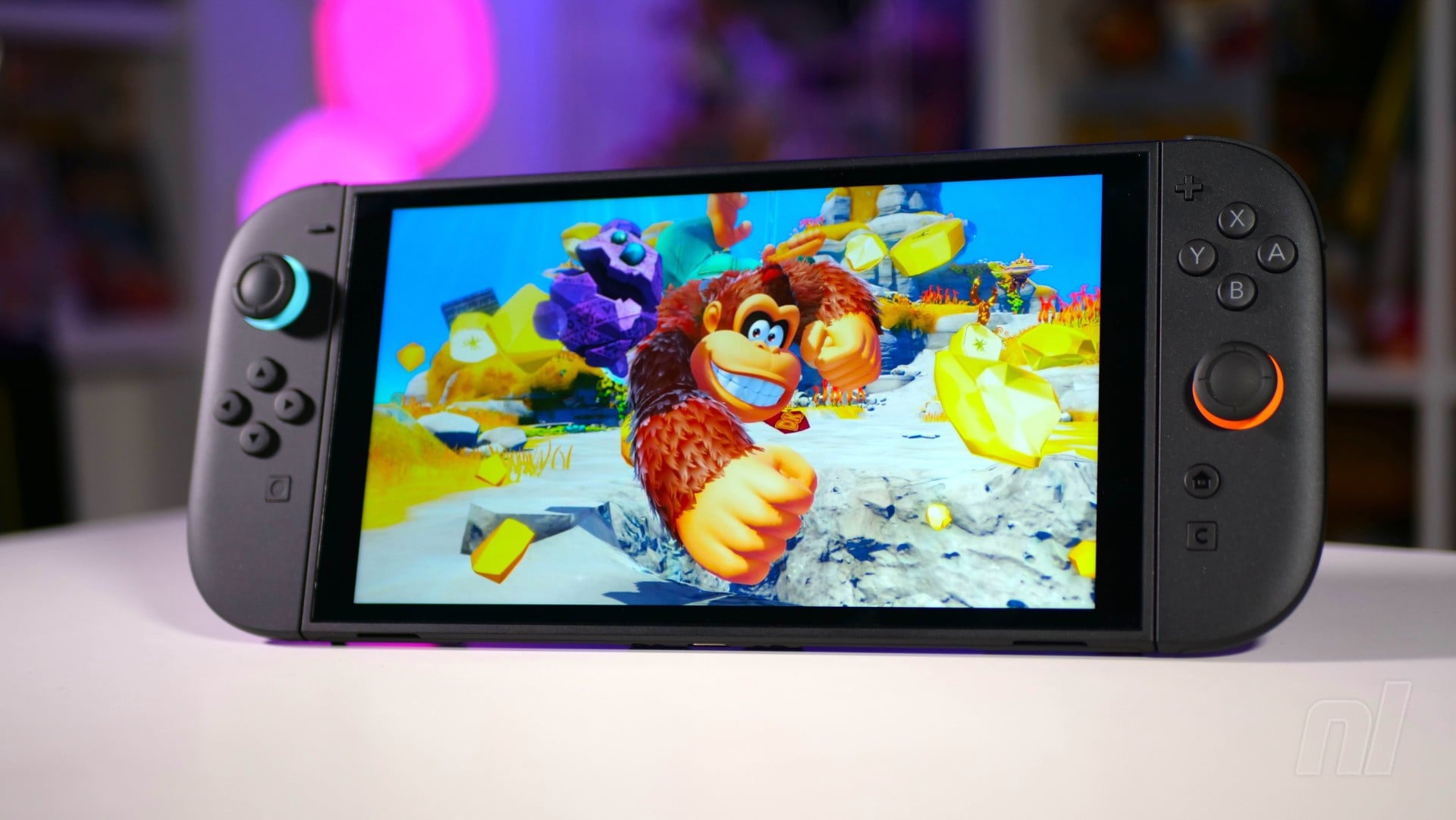
Although the Nintendo Switch 2 boasts improvements in resolution and framerate, it still does not fully deliver an adequate VR experience because of its hardware restrictions. Nintendo’s first venture into VR through the LABO kits provided a sneak peek at the possibilities of VR gaming, yet the Switch 2’s present features do not align with the expectations for engaging VR gameplay. The enhanced screen and hardware upgrades are praiseworthy, but they lack the necessary strength for VR, which demands more powerful processing capabilities and specialized hardware to effectively manage the intricacies of virtual reality settings.
The Switch 2’s VR efforts, as demonstrated in titles like Super Mario Odyssey and The Legend of Zelda: Breath of the Wild, underscore the difficulties encountered by the console in providing a fluid VR experience. The absence of dedicated VR hardware leads to inadequate performance, with problems such as motion sickness and discomfort occurring after extended use. While the idea of blending VR with beloved Nintendo franchises is enticing, the implementation suffers due to the console’s existing technological limitations.
To experience a genuinely immersive VR environment, players might need to consider more dedicated VR platforms like the Meta Quest series, which provide standalone VR features with hardware specifically tailored for virtual reality. Until Nintendo opts to commit to dedicated VR hardware, the Switch 2 will be constrained in its capacity to offer an engaging VR experience. As technology advances, there remains hope that Nintendo might ultimately create a system capable of delivering the high-quality VR experiences that gamers seek.