
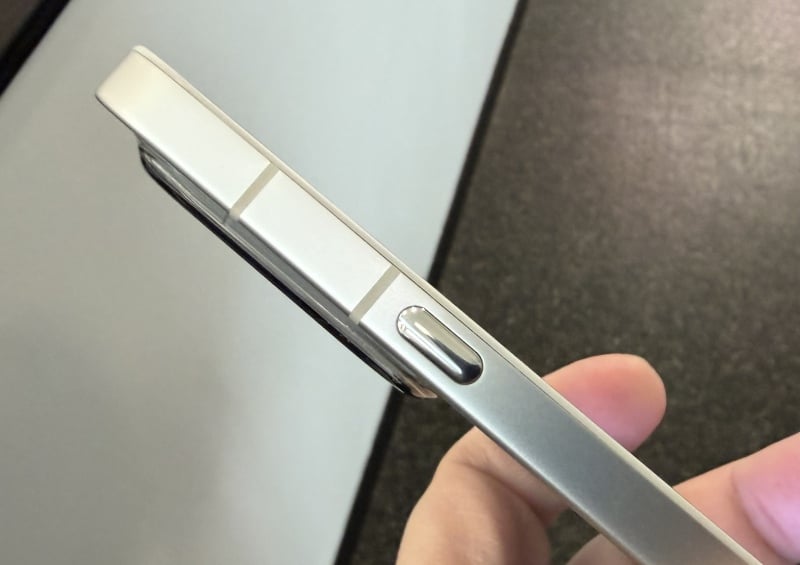

In March, Nothing, a British company focused on design, unveiled what might be its most robust lineup yet. This includes the budget-friendly Nothing Phone (4a), the Nothing Headphones (a), and the midrange Nothing Phone (4a) Pro. The Phone (4a) Pro is the closest to a flagship device from Nothing in 2026, as the company has no plans to release an official flagship this year. Despite this, it offers a premium experience at a midrange price of $499.
The design of the Phone (4a) Pro refines the look from its predecessor, the Nothing Phone (3), and presents a design that’s more coherent and appealing. The phone is not without its compromises, typical for midrange devices, but it manages to deliver a premium feel.
I’ve used the Nothing Phone (4a) Pro, provided by Nothing, as my primary phone for 10 days, running it on T-Mobile’s network in the Chicagoland area, and these are my thoughts.
### The complete Nothing package
In addition to the Phone (4a) Pro, Nothing released two other devices. The budget-oriented Nothing Phone (4a) features a slower processor and fewer cameras, and is not available in the U.S. The Nothing Headphones (a) is a budget alternative to the previous Nothing Headphones (1), offering a simpler design without compromising sound quality, priced at $199.
The Nothing Phone (4a) Pro is well-rounded. Features include a Snapdragon 7 Gen 4 processor, options of 8GB or 12GB of RAM, and storage up to 256GB. It has a 5,000 mAh battery, with Indian models having slightly more capacity, and offers a 6.83-inch AMOLED screen with a refresh rate of up to 144 Hz.
### Software trade-offs
Nothing’s design philosophy is evident in its customized Android skin, which includes a grayscale icon pack intended to promote digital minimalism. This feature turns your home screen into grayscale, theoretically leading to healthier phone habits. However, some trade-offs exist, like the inability to turn off the app drawer and the cumbersome process of organizing apps into folders.
Essential Space, a digital notebook feature activated by the Essential Key, helps organize thoughts and reminders but may not suit everyone’s workflow.
### Enter the Matrix
The Glyph Matrix, a noticeable feature from the Nothing Phone (3), returns but with reduced functionality. The matrix’s larger pixels lead to lower resolution, affecting the ability to use it effectively for features like selfies. The Glyph Matrix can currently only be activated when the phone is face down, a likely cost-saving measure.
### Performance and Battery
The Snapdragon 7 Gen 4 handles typical tasks well, though it’s less suited for demanding games and video editing. The battery life is excellent, often lasting nearly two days of light-medium usage.
### Camera details
While the Phone (4a) Pro’s cameras — two 50-megapixel sensors and an 8-megapixel ultrawide — appear competitive, their performance is midrange. Daytime shots are decent, but night photography and video recording show significant limitations.
### Final verdict
The Nothing Phone (4a) Pro, priced at $499, is a strong midrange option with a notable design and adequate performance, although it’s not without camera compromises. Its main competition, the Google Pixel 10a, offers better overall camera quality. However, for those who prioritize a unique design and telephoto capability, the Phone (4a) Pro is a compelling choice. The Phone (4a) Pro’s design stands out, making it ideal for those who value distinctive, conversation-starting devices. It’s a true midrange phone and offers good value.