
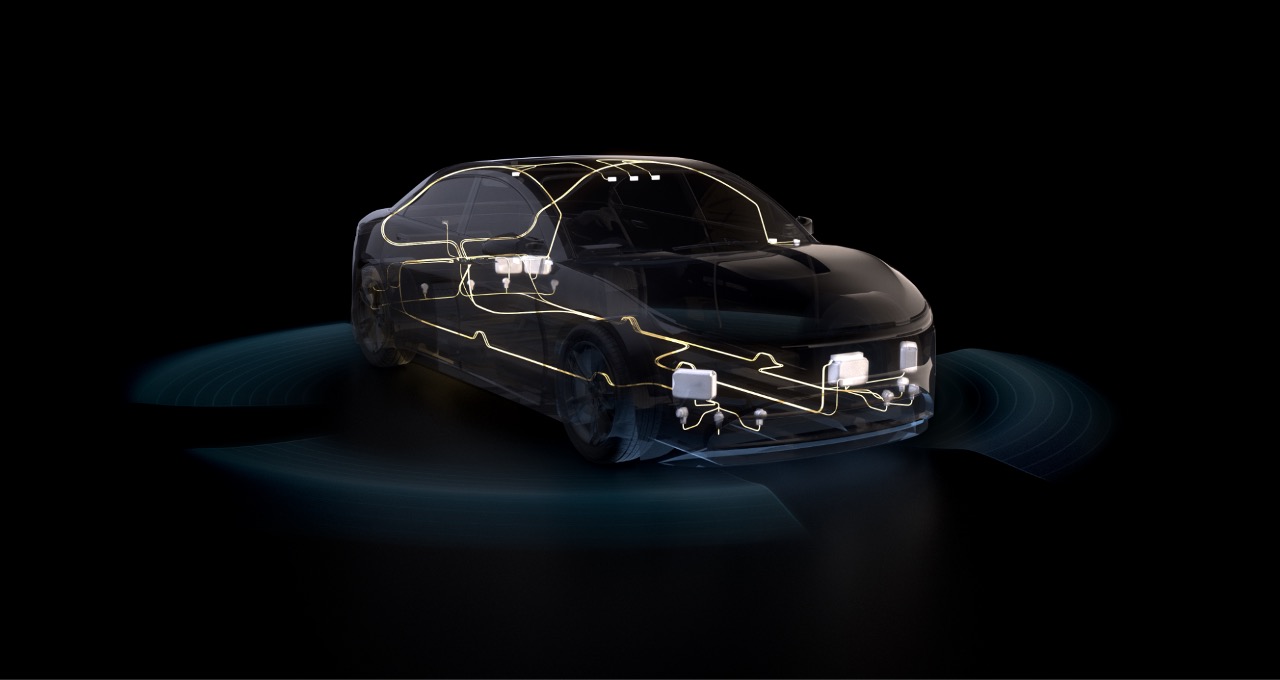

Nvidia has added BYD and Geely, two leading Chinese automakers, to its robotaxi program, aiming to strengthen its position in the global autonomous vehicle market. At its GTX conference, Nvidia announced that BYD, Geely, Isuzu, and Nissan will use its Drive Hyperion platform for Level 4 autonomous vehicles. While BYD already incorporates Nvidia’s chips in its cars, it will now expand to use the Hyperion platform for Level 4 vehicles. Geely, using Nvidia’s Thor chips for its Zeekr vehicles, supplies these to Waymo for U.S.-based robotaxi services, which also employ Nvidia’s technology.
Nvidia’s involvement with Chinese automakers comes amid ongoing U.S.-China trade tensions. The company’s H200 chips have been approved for sale to Chinese companies. China leads in electric vehicle production, but in the robotaxi sector, the two countries are closely matched. Nvidia’s deals with BYD and Geely could advance China’s development of autonomous vehicles, potentially surpassing the U.S. Some U.S. lawmakers advocate for autonomous vehicle legislation to maintain a technological lead over China.
While Nvidia supplies chips for driver-assist systems, its automotive business is small compared to its AI revenues. In 2025, it reported $51.2 billion in revenue, with $592 million from its automotive division. Nvidia also collaborates with Nissan, Isuzu, Tier IV, and Lyft in the autonomous vehicle sector. It plans to sell its Hyperion platform to Lyft, which aims to enhance its machine learning capabilities.
Nvidia has a partnership with Uber to create a global robotaxi network, targeting 100,000 vehicles by 2027. Currently, the agreement spans 28 markets across four continents, starting with Los Angeles and San Francisco in early 2027. Nvidia works with automakers like Lucid, Volkswagen, and Stellantis using its products.
The company’s progress in autonomous vehicles stems from virtual testing capabilities and its AI model portfolio, Alpamayo. Kani, VP at Nvidia, highlights the company’s efforts to develop a comprehensive AV stack over a decade, benefiting from generational leaps through generalist reasoning models.
Nvidia’s safety-focused approach includes a new product, Halos OS, designed to prevent unsafe decisions by AI models in Level 4 autonomous systems. Kani emphasizes building safe architectures that ensure system safety even if components fail.