
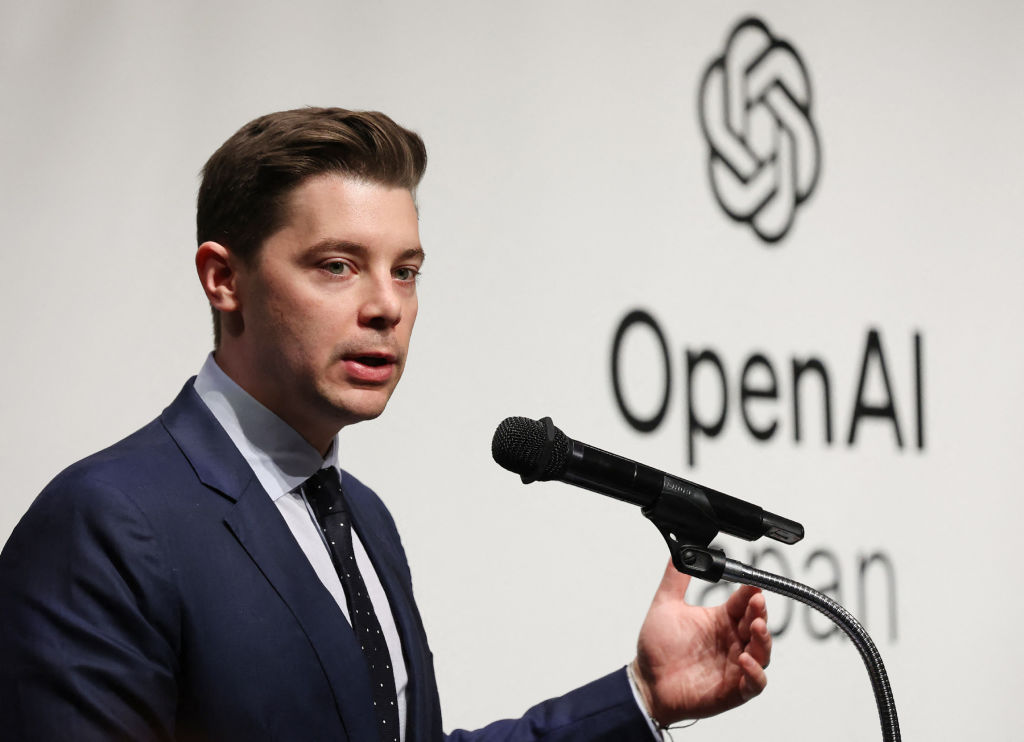

Earlier this month, OpenAI introduced the OpenAI Frontier platform for enterprises to develop and manage AI agents. However, according to OpenAI COO Brad Lightcap, large-scale AI adoption has yet to be realized by businesses.
“Despite the power of current AI systems for individual use, enterprise business processes haven’t fully integrated AI,” said Lightcap at the India AI summit in New Delhi.
He highlighted the complexity of enterprises, with their numerous teams and intricate systems, as a challenge in achieving business goals with AI.
While there’s much discussion about AI agents transforming business processes and the notion that “SaaS is dead,” these changes haven’t materialized as expected. Lightcap mentioned OpenAI’s continued use of Slack, implying a reliance on traditional enterprise software.
In January, OpenAI CFO Sarah Friar revealed the company’s growing revenue, noting over $20 billion in annualized revenue for 2025. Lightcap emphasized strong demand without providing specific figures.
“We manage significant demand as a growing organization and aim to meet global needs,” Lightcap stated.
OpenAI is also focused on measuring enterprise success with Frontier through business outcomes rather than seat licenses, though no pricing details for Frontier have been disclosed.
“Frontier allows us to explore AI integration into complex business areas, promising valuable insights into both businesses and AI,” Lightcap noted.
Later, OpenAI collaborated with consultancies like BCG, McKinsey, Accenture, and Capgemini to deploy enterprise technology, while Anthropic introduced plugins for various sectors.
The company is unsure how to integrate the newly acquired OpenClaw tool but sees potential for AI agents to perform diverse computer tasks.
Following the India AI summit, OpenAI announced significant developments in India, its second-largest market for ChatGPT with over 100 million weekly users. Lightcap noted the growing importance of voice interaction in India and its role in expanding access to technology.
“Voice technology is crucial here, enabling access in low-latency, low-bandwidth environments,” Lightcap said.
OpenAI also agreed to an enterprise contract in India and acknowledged the country’s potential for growth in enterprise seats.
The company plans to open offices in Mumbai and Bengaluru, likely for sales and market purposes. When asked about technical staffing, Lightcap stated, “Never say never.”
Concerns about job impacts, particularly in IT and BPO sectors, exist as AI automates tasks. Indian IT stocks have declined amid fears of reduced human roles in coding. Lightcap expressed a balanced view on the job market changes.
“Jobs will inevitably evolve. While the specifics are uncertain, it’s part of the natural business and economic cycle. Empathy for rapidly changing jobs is essential,” he emphasized.