Blog

Xiaomi 17 Ultra Rumors Indicate Major Improvements in Photography

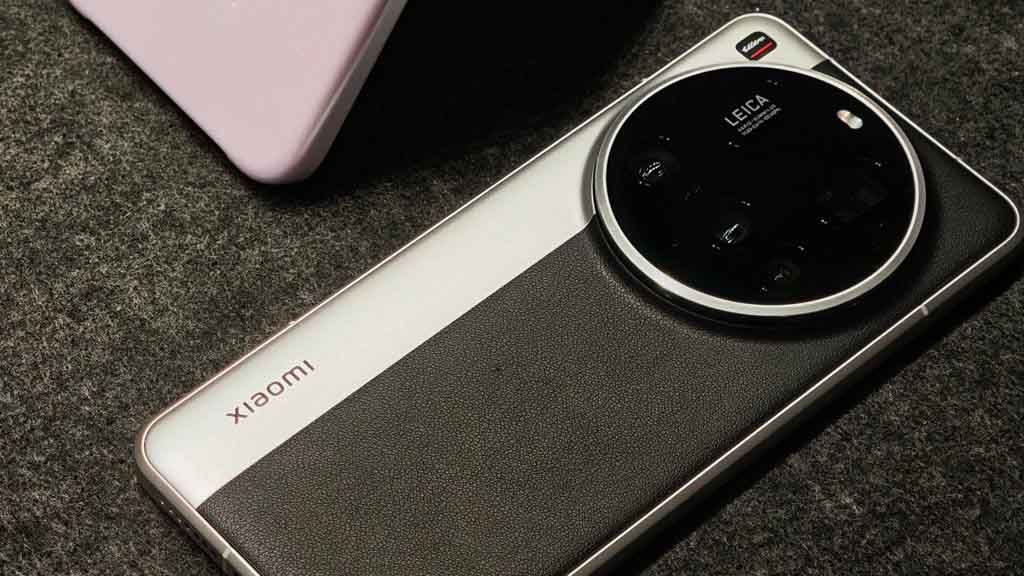
The Chinese OEM, Xiaomi, is said to be making progress in improving mobile photography with its forthcoming Xiaomi 17 Ultra. Leaks indicate that the device might incorporate Leica-branded lenses aimed at addressing prevalent issues like chromatic aberration and unwanted reflections. These enhancements are intended to elevate photo quality, especially in high-brightness conditions, by minimizing optical distortions and ensuring high-definition, high-fidelity images.

The Xiaomi 17 Ultra is speculated to feature four lenses, potentially including three 50MP cameras alongside a 200MP lens, representing a notable upgrade from earlier models. These hardware improvements are anticipated to be paired with software enhancements, although the main emphasis is on the capabilities of the lenses.

Besides camera enhancements, the Xiaomi 17 Ultra could also enable satellite connectivity, but this feature may be restricted to the Chinese version. The Xiaomi 17 series, launched in September, unveiled the “Dynamic Back Display,” offering a distinctive element to its design.

In summary, the Xiaomi 17 Ultra is set to deliver considerable advancements in mobile photography, concentrating on minimizing common challenges and enhancing image quality through both hardware and software developments.

Read More
Apple Overhauls AI Projects as OpenAI Sends ‘Code Red’ Warning

As Apple undergoes a shift in its AI leadership and initiates a restructuring, OpenAI is intensifying its efforts by announcing a “code red.”

With concerns of being surpassed by Google’s Gemini, CEO Sam Altman has stated that the company’s focus will solely be on enhancing the quality of ChatGPT.

### Apple Restructures Its AI Initiatives

Apple has revealed that its (now former) AI lead John Giannandrea will retire next year and is stepping down immediately. He will be succeeded by Amar Subramanya, a seasoned professional with experience at Google and Microsoft.

The iPhone manufacturer also indicated that it is reorganizing its AI projects.

Subramanya will take charge of essential sectors, such as Apple Foundation Models, ML research, and AI Safety and Evaluation. The remainder of Giannandrea’s team will be transferred to Sabih Khan and Eddy Cue to align more closely with related divisions.

He faces a significant challenge ahead, managing a team that’s currently understaffed and at a low morale. It’s reasonable to conclude that he will need to enlist additional support swiftly if he intends to recover from the continuous losses Apple has experienced, especially over the last year.

### OpenAI Increases Pressure with “Code Red”

A recent report from the Wall Street Journal indicates that OpenAI CEO Sam Altman is worried that ChatGPT has fallen behind Google’s Gemini. He is addressing this by stating that all company resources must be focused on enhancing the chatbot’s quality.

Altman informed staff that the company is initiating a “code red” effort to elevate ChatGPT’s quality, leading to the postponement of other products. He noted that OpenAI had additional tasks to complete regarding the daily user experience of its chatbot, including enhancing personalization features, boosting speed and reliability, and enabling it to respond to a broader array of inquiries.

As OpenAI and Google compete for superiority, this will further heighten the expectations of what Apple must accomplish to remain competitive by the time the revamped Siri is expected to launch next year.

Read More
Tap to Pay on iPhone Grows to 50 Nations with Rollout in Singapore

### Apple’s Tap to Pay on iPhone: Transforming Contactless Payments for Small Enterprises

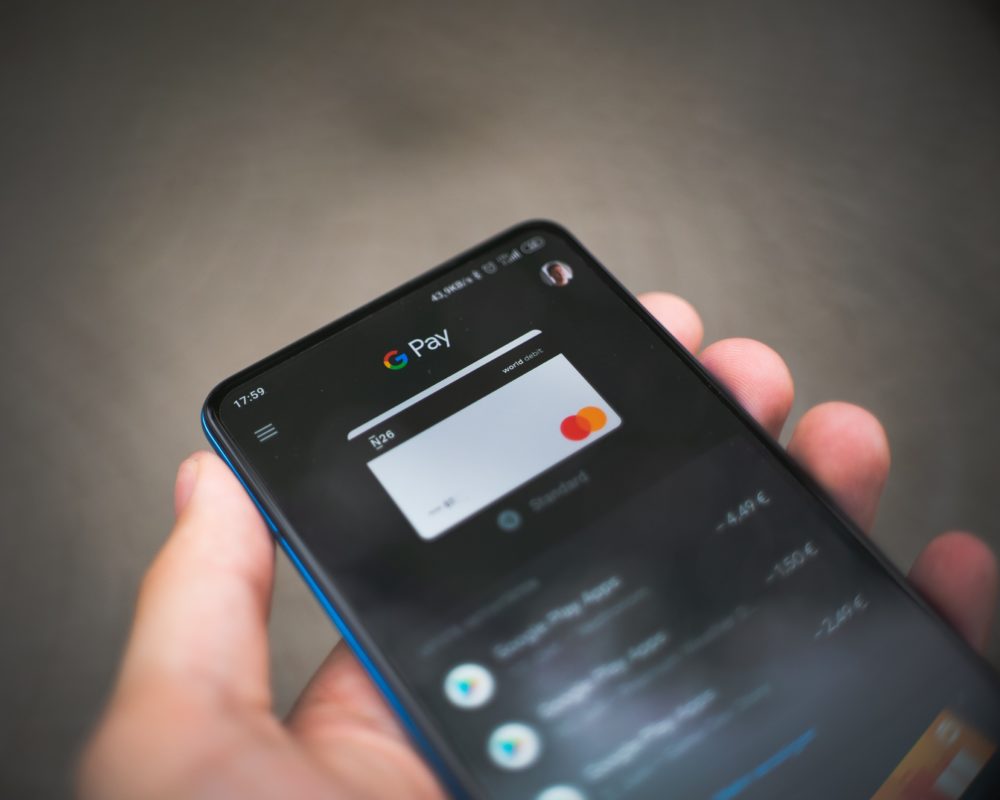
Apple’s Tap to Pay on iPhone represents a revolutionary capability intended to improve convenience and cost-effectiveness for small enterprises looking to facilitate contactless payments. This cutting-edge service enables vendors to handle transactions directly via their iPhones, removing the necessity for conventional payment terminals or card readers.

#### Worldwide Launch and Availability

Currently, Tap to Pay is progressing with its global rollout, with Singapore being the most recent nation to embrace this innovation. This feature is especially attractive to small businesses, as it greatly diminishes expenses linked to payment processing hardware while simplifying the payment process for customers.

#### Operational Mechanism

With Tap to Pay on iPhone, vendors can receive contactless payments utilizing an iPhone XS or newer, operating on the most updated iOS version. The procedure is simple: at the time of payment, the vendor requests the customer to place their contactless credit or debit card, iPhone, Apple Watch, or any digital wallet close to the vendor’s iPhone. The transaction is then securely finalized using Near Field Communication (NFC) technology, without requiring extra hardware. This adaptability allows businesses to accept payments from nearly any location.

#### Safety and Confidentiality

Apple prioritizes safety and confidentiality within its payment functionalities. Tap to Pay on iPhone is crafted to safeguard customers’ payment information using the same technology that secures Apple Pay. All transactions are encrypted and managed through the Secure Element, guaranteeing that Apple does not access purchase specifics or customer identities. Moreover, Apple does not retain card numbers or transaction data, offering reassurance to both vendors and customers regarding data privacy.

#### Compatible Payment Systems

In Singapore, Tap to Pay is compatible with several leading payment systems, including Adyen, Fiuu, HitPay, Revolut, Stripe, and Zoho. Furthermore, Grab plans to introduce Tap to Pay on iPhone starting early next year. The service accommodates a range of card types such as Visa, Mastercard, American Express, JCB, and UnionPay.

#### Summary

With its latest expansion, Tap to Pay on iPhone is now operational in 50 nations and regions globally, representing a crucial advancement in the development of contactless payment methods. By allowing small businesses to receive payments simply and securely, Apple is not only improving the customer experience but also empowering merchants to succeed in an ever-increasingly digital economy.

Read More
China’s satellite internet allegedly reaches speeds that are five times quicker than Starlink.

SpaceX’s Starlink operates at a much lower altitude, usually offering speeds in the tens, rather than hundreds, of megabits-per-second (Mbps) – with Starlink satellites reaching just beyond 200 Mbps. Achieving a full gigabit from 36,000 kilometers (over 22,000 miles) above Earth could signify a significant advancement in the physics and engineering concerning space-to-ground connections. Historically, the Earth’s atmosphere posed the greatest challenge to laser-based communications. Atmospheric turbulence alters, scatters, and distorts light, rendering high-speed laser downlinks exceptionally challenging. To address this, scientists devised a novel strategy termed AO-MDR synergy. This technique combines two cutting-edge approaches: Adaptive Optics, which rectifies signal distortion, and Mode Diversity Reception, which aids in re-capturing usable light when the signal is partially scattered.

The initiative is attributed to Professor Wu Jian from Peking University of Posts and Telecommunications and Liu Chao from the Chinese Academy of Sciences. Although the laser technology remains in its testing phase, it suggests a potential future where satellites transmit fiber-like speeds to Earth without the limitations of conventional radio frequency systems.

Why this breakthrough is significant for the future of satellite internet

Samsung Galaxy Z TriFold Debuts: Sleek, Adaptable Mobile Device Starting at $2,500

Samsung has officially introduced the Galaxy Z TriFold, an innovative smartphone equipped with two hinges and three screen segments. With a price tag of around $2,500 in Korea, the Galaxy Z TriFold is expected to be pricier than the Galaxy Z Fold 7, potentially costing $3,000 in the U.S. The device comes with premium specifications, including a Snapdragon 8 Elite processor, 16 GB of RAM, and storage options of either 512 GB or 1 TB. Its camera setup is similar to that of the Galaxy Z Fold 7, featuring a 200-megapixel primary sensor. The cover display measures 6.5 inches, boasting a resolution of 2520 x 1080, a peak brightness of 2,600 nits, and a 120Hz adaptive refresh rate.

The hallmark of the Galaxy Z TriFold is its unique design, crafted to fold inward to safeguard the display. It features an alarm system to avert improper folding, dual-rail hinge mechanisms, and a shock-absorbing layer on the foldable screen. The device is constructed from Advanced Armor Aluminum and titanium, providing IP48 dust and water resistance. Notably, the foldable display may still be susceptible to dents and scratches. Samsung offers a one-time 50% discount on display repairs. The 10-inch foldable screen has a resolution of 2160 x 1584, a peak brightness of 1,600 nits, and a 120Hz refresh rate. The phone is equipped with a 5,600 mAh battery, supports 45W wired and 15W wireless charging, weighs 309g, and measures 12.9 mm in thickness when folded.

Samsung has improved the software functionality for the Galaxy Z TriFold, enabling it to operate as a standard phone when folded and as a 10-inch tablet when opened. Users can execute up to three applications simultaneously or run a single app in full-screen mode. The device accommodates both portrait and landscape orientations and includes a built-in DeX mode, converting it into a laptop-like interface. DeX mode facilitates up to four workspaces, each capable of running five applications in resizable windows. Users may also connect the device to an external monitor to boost productivity. The Galaxy Z TriFold integrates AI capabilities from Samsung’s Galaxy AI platform, offering six months of complimentary Google AI Pro access.

Read More
NASA Pushes Forward Artemis II Project to the Moon

Artemis I has already successfully completed its mission in 2022. That flight was an uncrewed test, and since then, everyone has been eagerly anticipating Artemis II, which will carry a crew of four astronauts on a ten-day journey around the moon and back. The mission has encountered multiple delays and was nearly halted during the recent government shutdown, but thankfully, it will proceed as planned. Naturally, every performance requires a rehearsal, and NASA has just made the thrilling announcement that Artemis II is set for its debut.

On November 20, NASA revealed that the assembly of the Artemis II spacecraft has been finalized. This involved connecting two main components: the Orion spacecraft, which will transport the astronauts, and the Space Launch System (SLS) rocket, which will propel them toward their celestial destination. Linking these two elements is a significant achievement, and one that at times seemed uncertain for NASA to accomplish. The development of the Orion spacecraft faced setbacks after parts of its heat shield failed during a 2022 test flight, with ongoing safety issues continuing to challenge the program. This latest progress brings a welcomed glimmer of optimism, and it won’t be long before the Artemis II crew takes their positions for the first time.

How NASA astronauts prepare for space flight

OpenAI Unveils Upcoming Improvements for ChatGPT After Gemini 3 Incident

**Code Red at OpenAI: Enhancements for ChatGPT Arriving Soon After Gemini 3 Alarm**

OpenAI is at a pivotal juncture as it reacts to escalating rivalry from Google’s recently launched Gemini 3, which has eclipsed OpenAI’s AI models in crucial benchmarks. This situation has led OpenAI CEO Sam Altman to circulate a “code red” memo, indicating an immediate need for enhancements to ChatGPT. The action is taken as OpenAI strives to safeguard its revenue streams, boasting over 800 million monthly users, the majority of whom utilize the free tier. In contrast, Gemini’s user base has rapidly expanded, climbing from 450 million in July to 650 million in October.

The debut of Google’s Nano Banana image generator in August has further heightened the competitive environment. Google subsequently introduced the Gemini 3 Pro alongside an upgraded Nano Banana Pro image generator. Moreover, the launch of Claude Opus 4.5 by Anthropic has increased the pressure on OpenAI. With these changes, OpenAI faces the risk of losing users, including paying subscribers, to its competitors. The company, which has yet to turn a profit, must continue securing funding to sustain operations and enhance its data centers. To reach profitability, OpenAI aims to elevate its revenue to $200 billion by 2030.

**Upcoming ChatGPT Reasoning Model Set to Exceed Gemini 3**

In light of the competitive danger, OpenAI is poised to unveil a new ChatGPT reasoning model that is anticipated to surpass Gemini 3. Altman’s memo specifies several upgrades, including improved personalization options, increased speed, and greater reliability. The new model will also possess the capability to address a wider array of inquiries. These upgrades align with OpenAI’s strategy to enhance ChatGPT’s functionality and extend its global presence.

The critical nature of the situation is highlighted by OpenAI’s implementation of color codes to denote issue severity, with “code red” signifying the utmost level of urgency. This follows a prior “code orange” for advancing ChatGPT. Interestingly, Google proclaimed its own code red three years ago following ChatGPT’s remarkable success, resulting in continuous enhancements to its AI offerings.

Despite the priority on refining ChatGPT, certain initiatives, such as ChatGPT ads, AI agents for shopping and healthcare, and upgrades to ChatGPT Pulse, will experience delays. OpenAI’s ChatGPT lead, Nick Turley, underscored the company’s dedication to enhancing ChatGPT’s features and broadening access globally while making the platform more user-friendly and personalized.

Read More
Details Regarding Motorola’s Anticipated Swarovski Crystal Edge 70

Be cautious, these gems could dazzle you.

(Image credit: Motorola Poland)

Essential information

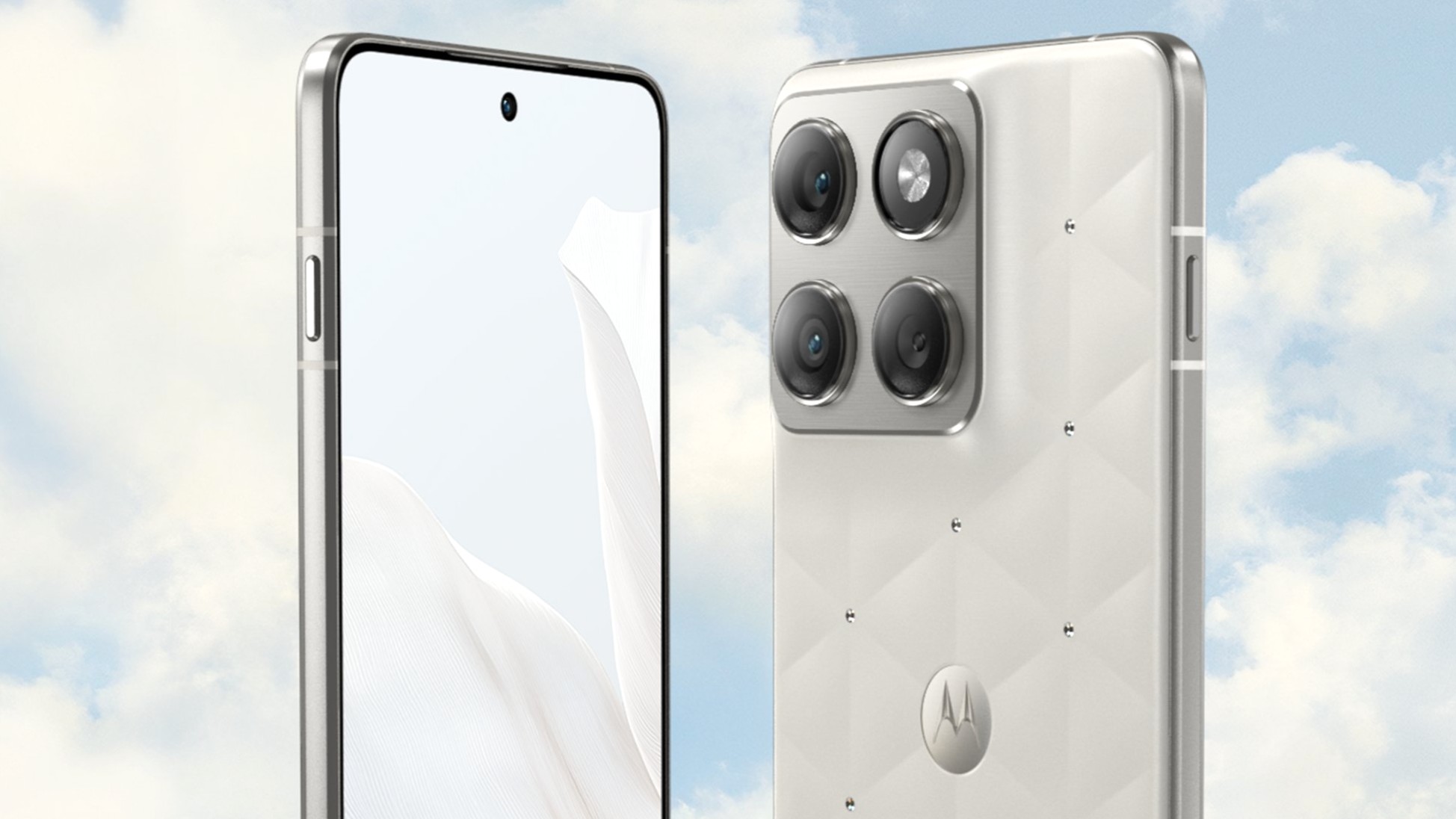
  • A recent revelation suggests that Motorola is gearing up for another partnership with Swarovski for its Edge 70.
  • The gadget was speculated to host around 14 crystals on its quilted rear, in addition to a unique Pantone “Cloud Dancer” Color of the Year for 2026.
  • Motorola has unveiled new Pantone hues for the upcoming year on two occasions in December; nonetheless, its most recent Swarovski collaboration occurred in August with the Razr 2025 and Buds Loop.

Disclaimer

Read More

Feature Phone for Children: Device Without Social Media

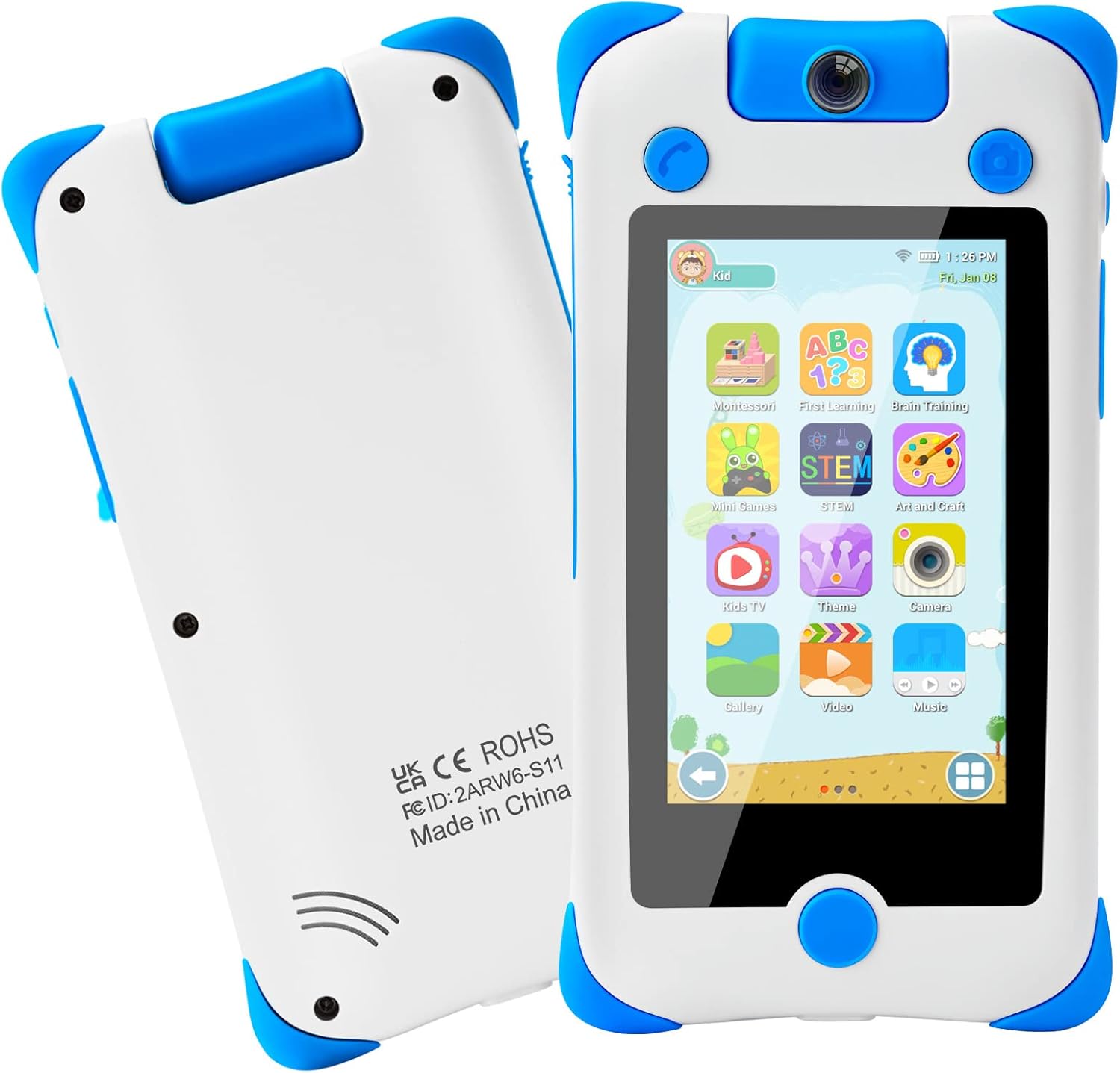
HMD Global and Xplora have joined forces to develop the XploraOne, a smartphone tailored specifically for kids, emphasizing safety and parental oversight while removing social media access. This innovative device seeks to offer a well-rounded solution for parents worried about their children’s unmoderated internet use. The XploraOne comes equipped with vital features such as messaging, calling, location tracking, and a straightforward camera, devoid of the interruptions caused by games or app stores. Parents have the ability to manage contacts, approve schedule alterations, set calling limitations, review messages, and access their child’s photo gallery remotely, ensuring a secure and regulated setting for young users. Although the pricing details remain unverified, it is anticipated to be in line with Xplora’s range of wearables. This endeavor enhances the existing collaboration between HMD and Xplora, succeeding the HMD Fusion X1, which launched robust parental control features. The XploraOne presents a promising alternative for parents in search of a kid-friendly phone that does not provide full internet access.

Read More
ChatGPT for Android to Launch Enhanced Advertising

Some preliminary code appears to indicate OpenAI’s revised approach to advertisements in its mobile application.

What you should know

– A report suggests that OpenAI might begin displaying ads in its ChatGPT on Android in a forthcoming update.
– Early coding explicitly refers to an “ads feature,” along with carousels that may show these ads to users, although there is speculation that they might not be visible during one-on-one conversations.
– These advertisements could be tailored based on the information the AI retains about the user, introducing a personalized element.
– An earlier ChatGPT update for Android integrated Spotify, allowing users to instruct the AI to play music or discover new tracks.

OpenAI’s chatbot on Android is seemingly moving toward an ad-laden future that may not be well-received by users.

Tibor Blaho conducted an in-depth examination of the ChatGPT app on Android, revealing the potential for ads to appear for users (via NotebookCheck). Blaho reported uncovering an “ads feature” in the initial code of a beta version of the ChatGPT app for Android. The code contains several references to incoming advertisements, such as “AdTarget,” “SearchAd,” “ApiAdTarget,” and more. Blaho specifically notes other code mentions like “bazaar content” and “search ads carousel.”

Thus, it appears that the ChatGPT app on Android is facing an ad-infused future, with a subsequent X post providing further details, indicating this has been in development for some time.

A following post refers to a statement from October by The Information, shedding light on OpenAI’s fluctuating position on advertisements within the app. Allegedly, OpenAI is “considering if ChatGPT could showcase ads based on its memory or information it recalls,” according to an employee. Blaho elaborates, mentioning that OpenAI is attempting to navigate this in a “cautious manner.”

How this might be presented to users remains uncertain; nevertheless, speculation suggests that the ChatGPT app could present ads in a card format without interrupting users’ conversations with the AI directly. As anticipated, these ads may only affect users on the free version of the ChatGPT app, not those subscribed to premium features.

ChatGPT is adapting to trends

Blaho likens OpenAI’s apparent direction for ChatGPT to Google’s approach with ads and AI Overviews. Google announced last year its intention to incorporate ads into results provided to users via AI Overviews. The goal was to be “more helpful,” as the small snippets would feature ads only if relevant to the user’s inquiry and the information relayed by the AI.

The company also shared some data, which reportedly indicated that users who encountered ads found them beneficial. There is no doubt that users might have differing opinions if this actually materializes for ChatGPT on Android.

Aside from the possibility of an ad influx, ChatGPT received an update on Android that enhanced its AI capabilities for music. Users connecting their Spotify Premium accounts to ChatGPT can have the AI seek out songs, play tracks, and even queue their favorite weekly playlists, such as Discover Weekly and New Music Friday. This entire update was quite similar to Spotify’s integration for Gemini, which provides similar tools for music discovery and playback.

Read More