Some BookTokers have declared they’re finally ready to leave the Amazon Kindle ecosystem. But is the Kobo grass any greener?
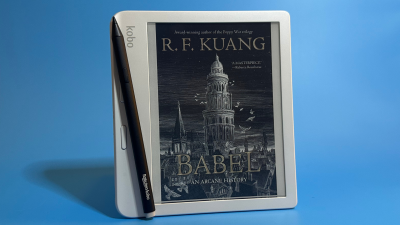

Some BookTokers have declared they’re finally ready to leave the Amazon Kindle ecosystem. But is the Kobo grass any greener?

Static Media
At times, stories adapted from television simply outgrow their small screen origins. They require a larger canvas to showcase their talent — and a bigger budget to support it — which is why several TV series have dared to transition to cinemas. With additional visual finesse and extended runtime, select series have treated fans to feature films that fulfilled all their expectations. Most importantly, they have reached heights that exceed even the original show.
In light of this, we’ve compiled an enjoyable selection of films that emerged from hugely popular shows or beloved cult classics that warranted another opportunity. From science fiction narratives receiving a cinematic boost to hilarious comedies, some may even feature a musical number or two, this curated compilation of outstanding films is packed with excellent options to enhance your viewing list. To start, we have a film that extended the legacy of a quirky law officer beyond what the show could achieve, incorporating action, drama, and wholesome love — sans cutlery.

Development is still ongoing.
# How to Apply 3D Spatial Effect to Your iPhone’s Wallpaper in iOS 26
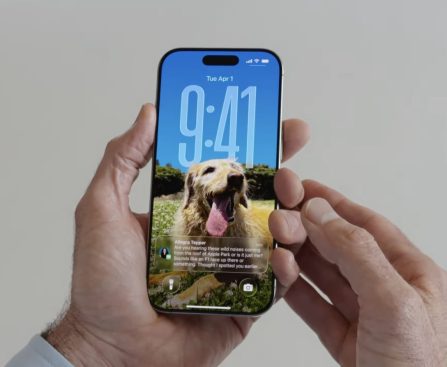
iOS 26 has unveiled a variety of new features aimed at enhancing the personalization of your iPhone, among which are the thrilling 3D spatial wallpapers. Available since the launch of iOS 26.0, this feature enables users to infuse a dynamic 3D effect into their wallpaper, rendering it more captivating and unique. Here’s how you can leverage this feature to animate your iPhone’s wallpaper.
## What are 3D Spatial Wallpapers?
As per Apple’s official iOS 26 release notes, spatial scenes permit users to incorporate a fresh 3D effect into their photo wallpapers, fostering a sense of depth that responds to your device’s movements. This effect amplifies the aesthetic allure of your wallpaper, giving it a more interactive feel.
## Steps to Apply the 3D Spatial Effect
To implement the 3D spatial effect on your iPhone’s wallpaper, adhere to these straightforward steps:
1. **Open Settings**: Navigate to the Settings app on your iPhone.
2. **Select Wallpaper**: Tap on the ‘Wallpaper’ option.
3. **Add New Wallpaper**: Press the ‘Add New Wallpaper’ button.
4. **Choose Photos**: Tap ‘Photos’ located in the top-left corner to open your photo library.
5. **Select Your Photo**: Browse and select the photo you wish to set as your wallpaper.
6. **Activate the Spatial Effect**: Tap the geometric photo icon found near the lower-right section of the screen. This will create the spatial scene effect.
7. **Test the Effect**: Tilt your iPhone from side to side to observe the 3D effect in action.
8. **Save Your Wallpaper**: If you’re pleased with the effect, press ‘Add’ to save the wallpaper.
## Conclusion
The 3D spatial effect is a charming addition to the wallpaper customization features in iOS 26. It serves as a minor yet significant way to enhance your iPhone experience, making your device feel more tailored and vibrant. If you haven’t experimented with the 3D spatial effect for your wallpaper yet, now is the ideal moment to discover this feature and refresh your iPhone’s appearance.
‘The AI Doc’ director Daniel Roher talks about Sam Altmanâs weird vibes, AI in filmmaking, and the folly of cynicism.

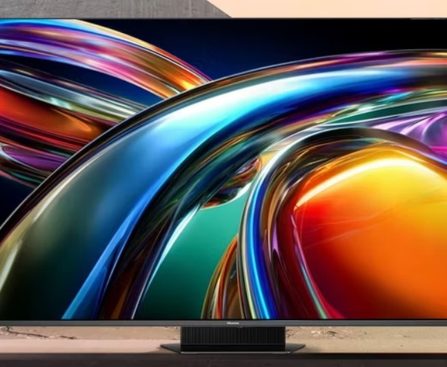
HDMI technology has been progressing in recent years. It wasn’t too long ago that HDMI 2.0 was the standard port for TVs, projectors, and other devices, and now we are witnessing the emergence of HDMI 2.2. Thus, it was quite surprising when one of Hisense’s flagship TV models defied conventional expectations in 2026. We are referring to the Hisense UR9S, a Mini LED TV with RGB backlighting that features a DisplayPort (DP) connection in addition to HDMI.
Technically, it’s a USB-C port that provides complete DP capabilities, but it is labeled as DisplayPort. Additionally, the TV includes three HDMI 2.1 ports, making it an excellent option for gaming consoles and PCs. While HDMI 2.1 supports 4K/120Hz, the Hisense UR9S is capable of delivering visuals of 4K/170Hz or 4K/180Hz when connected to a gaming PC via DP. Even better, the TV is compatible with AMD FreeSync, and Hisense intends to incorporate Dolby Vision 2 HDR in upcoming firmware updates.
RGB Mini LED TVs are becoming more popular
The Hisense UR9S will come in four sizes: 65, 75, 85, and 100 inches. It’s important to note that the two largest sizes will reach a maximum refresh rate of 180Hz, while the 65 and 75-inch models will cap out at 170Hz. This is thrilling news for dedicated gamers in search of the best gaming TVs and represents a significant advancement in the development of panel technology. RGB Mini LED TVs were demonstrated by several manufacturers at CES 2026, including Samsung, Sony, and LG; thus, Hisense will undoubtedly face competition.
Nonetheless, the TV manufacturer seems ready to target a distinct segment of the market: 4K HDR TVs with DP connectivity as an alternative to HDMI. Historically, DisplayPort is linked with computer monitors. Therefore, if Hisense’s ambitious experiment proves successful, we might start seeing DP connections on a broader variety of smart TVs in the years ahead.
Netflix has recently upped the prices of its plans, and now YouTube Premium subscribers are about to face a similar rise. YouTube is set to boost the subscription fees, with adjustments expected to take place beginning with the next billing cycle. Although Google hasn’t formally announced the price increase in a press release, emails are being distributed to subscribers, and some are already noticing the change when attempting to upgrade to a Family plan.
In general, costs for YouTube Premium will rise across the board, affecting Music Premium as well. The most significant price increase will occur for YouTube Premium Family subscriptions, which will jump from $22.99 to $26.99 a month. Individual subscribers will see their monthly fees increase from $13.99 to $15.99, and Premium Lite users will now pay $8.99 monthly, up from the initial $7.99 set when the service launched in 2025. Subscribers to YouTube Music Premium are also facing an increase, with their monthly rates climbing from $10.99 to $11.99.
In summary, the largest hike is $4 for the Family plan. YouTube last adjusted prices for the Family plan in 2022, making this increase not entirely surprising nearly four years later. The regular Premium subscriptions last saw their prices rise in 2023.
While the YouTube Premium price increase is disheartening, particularly given the lack of significant new value recently, there are alternatives for those looking to economize. For instance, if you’re not on the Family plan, downgrading to YouTube Premium Lite could help you save some cash each month. Lite provides the fundamental ad-free experience that regular Premium includes, along with support for background play and video downloads.
You will forfeit access to YouTube Music and the Jump Ahead feature, which allows users to easily skip the least-watched parts of videos. However, if those features are not a priority for you, switching could save you approximately $7 each month. There are also some additional limitations with Premium Lite that you
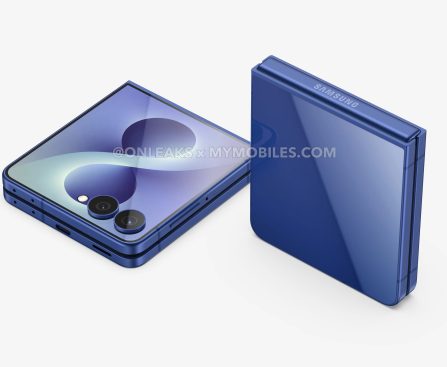
Leaked Galaxy Z Flip 8 Visuals Uncover a Sleeker Look, Yet Limited Innovations
New visuals of the Galaxy Z Flip 8 have emerged, thanks to OnLeaks in partnership with MyMobiles. If you anticipated a significant redesign, it may be challenging to notice any modifications.
Based on the 5K CAD visuals shared by the sources, the forthcoming Galaxy Z Flip 8 may appear nearly the same as its predecessor at first sight. While this may seem unexciting, there is a subtle yet significant alteration: Samsung appears to be reducing its thickness.
The leak indicates that the Galaxy Z Flip 8 will be somewhat slimmer than the Z Flip 7. When opened, it measures 166.8 x 75.4 x 6.6 mm, and when folded, it’s 85.4 x 75.4 x 13.2 mm. In contrast, the Flip 7 was 85.5 x 75.2 x 13.7 mm when closed, so the main distinction is that the new device is roughly half a millimeter thinner when folded.
Both displays remain unchanged: a 6.9-inch foldable screen on the inside and a 4.1-inch cover display. The dual rear cameras and LED flash are also located in the same area. From an external view, it continues to resemble the Flip 7.
Reasons for Samsung’s Cautious Approach
Foldable smartphones are continuously evolving, but they have moved beyond the experimental phase. Samsung has dedicated years to enhancing their durability, refining the hinge, and optimizing the software. It now seems that the strategy is to focus on enhancing existing features rather than introducing major alterations.
A thinner phone may be more convenient to carry and provide a better feel in your hand, which is often more important in everyday use than merely having superior specifications. This could imply that Samsung is reserving more significant improvements for areas like battery performance, processing speed, or new AI capabilities.
It’s essential to remember that CAD leaks are not definitive. Minor design aspects can still be altered prior to the phone’s release. However, these preliminary images generally reflect what we can expect to see.
Moreover, CAD leaks only reveal the phone’s dimensions and silhouette. They do not provide insight into the processor or software capabilities. Therefore, surprises could still emerge, such as a more robust hinge, a quicker processor, or enhanced cameras. Nevertheless, a previous rumor hinted that Samsung’s upcoming clamshell foldable may not receive a battery upgrade in 2026.
Samsung is anticipated to unveil the Flip 8, Fold 8, and Fold 8 Wide at a Galaxy Unpacked event in London in July 2026.
Android Central’s Perspective
A sleeker, more pocket-friendly device is something I’d appreciate daily, far more than an exaggerated spec enhancement. Nevertheless, I sense that Samsung is being somewhat overly cautious. If I decide to upgrade, I seek at least one genuine “wow, that’s new” moment, not merely “hey, it’s a bit slimmer.”
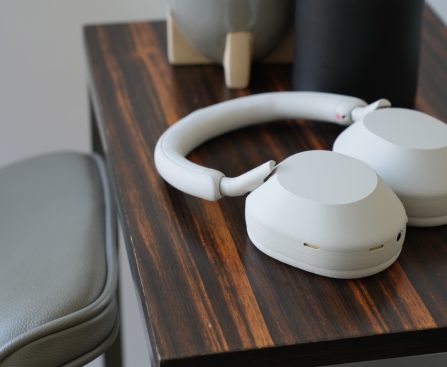
Several of our preferred wireless headphones are experiencing significant price cuts. Prime Day may be several months away, but if you’re after an excellent bargain on wireless headphones, there’s no reason to delay. Whether you’re a globetrotter seeking an affordable pair for an upcoming journey or an audiophile in pursuit of the ultimate listening experience, you’ll be amazed at the variety of headphone offers currently available at Amazon.
Headphones from brands like Sennheiser, Sony, Beats, and Anker have been dropping to close to record lows throughout the week, making it difficult to predict whether these Amazon discounts will remain for long or disappear suddenly. It goes without saying, if you’re eager to seize the opportunity, you’ll discover some of the finest headphone deals from the sale listed below.
Enjoy discounts of up to 50% on noise-cancelling headphones at Amazon
Sennheiser Momentum 4: $449.95 $226.37 at Amazon
The Sennheiser Momentum 4 might be a few years old, but these headphones still receive excellent reviews for their impressive sound quality, adaptable noise cancellation, and up to 60 hours of battery life on a single charge. Purchase these headphones from Amazon today and take advantage of a remarkable 50% discount.
Sony WH-1000XM5: $399.99 $248 at Amazon
While they have technically been replaced by a newer variant (the extraordinary but pricey WH-1000XM6), the Sony WH-1000XM5 held the title of our most-recommended headphones for years for good reason. The XM5 features a stylish design with exceptional sound quality and customizable Active Noise Cancellation (ANC), and now you can get these headphones from Amazon with a 38% price reduction.
Soundcore by Anker Q20i Headphones: $69.99 $39.99 at Amazon
Premium performance in noise-cancelling headphones no longer requires a hefty price tag. Available for just $39.99 on Amazon, the Soundcore Q20i offer up to 40 hours of battery life, a well-balanced sound profile, and numerous customizable EQ settings and presets.
Beats Solo 4 Headphones: $199.95 $129.95 at Amazon
The Beats Solo 4 feature high-end attributes such as spatial audio support and head tracking, plus you can enjoy up to 50 hours of battery life and the outstanding sound quality that has made the Beats name legendary. Purchase the headphones during Amazon’s ongoing sale and enjoy a direct 35% off your order.
Skullcandy Crusher ANC Headphones: $239.99 $149.99 at Amazon
Though Skullcandy may not be viewed as a trailblazer in the audio equipment market, they certainly excel in providing fantastic value for your money. Currently 38% off during Amazon’s promotion, the Skullcandy Crusher headphones offer adjustable active noise cancellation with dual bass drivers and up to 60 hours of battery life on a single charge.
Headphone deals: Walmart | Best Buy | Amazon | Dell
### Today’s 9to5Toys Lunch Break: Apple Offers and Accessories
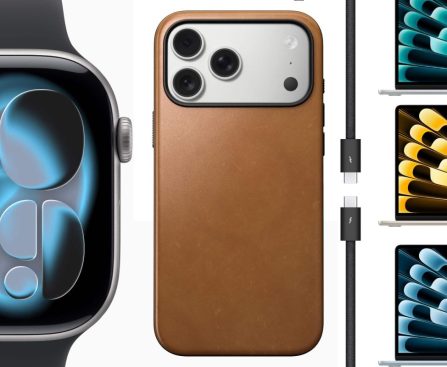
In this edition of the 9to5Toys Lunch Break, we showcase notable savings on Apple items, featuring the freshly launched 15-inch M5 MacBook Air, Apple Watch Series 11, and an array of accessories.
#### 15-inch M5 MacBook Air at Unprecedented Discounts
The 15-inch M5 MacBook Air has experienced a price reduction, now seeing a $150 discount available in all colors. This applies to both the 16GB/512GB and 16GB/1TB models. The 15.3-inch Liquid Retina Display versions are being offered at a direct discount, making them appealing options for those in search of a robust yet reasonably priced laptop. These deals are anticipated to stay competitive, with possible additional cuts during seasonal promotions later this year.
#### Price Cut on Apple Watch Series 11
The 46mm Space Gray Apple Watch Series 11 is presently listed for nearly $100 less, now at $329.99. This variant includes a Space Gray Aluminum Case paired with a Black Sport Band and marks one of the lowest prices recorded since its September launch. While other color selections are similarly discounted, this particular model provides the most significant savings.
#### Nomad’s Latest Camino Leather iPhone Cases
Nomad has rolled out its new Camino leather variant for iPhone 17 Pro/Max cases, now available at a 20% markdown. Each order includes a complimentary screen protector, adding value to these chic cases. The Camino leather offers a more budget-friendly choice compared to the premium Horween leather options, broadening its appeal to a larger audience.
#### Accessory Bargains
Alongside the featured items, the new Apple USB-C Magic Keyboard is also discounted to $79.99, reduced from its usual $99. This entry-level variant boasts the latest USB-C charging port and makes for a reliable upgrade for anyone looking to enhance their keyboard collection.
Moreover, Amazon is providing infrequent price reductions on the Apple Watch Ultra 3, with savings of $99 on selected models. These deals represent some of the best pricing since the product’s launch, offering an excellent opportunity for interested buyers.
### Conclusion
With considerable discounts on Apple’s newest products and accessories, now is a prime time to think about upgrading or acquiring new devices. Whether it’s the powerful M5 MacBook Air, the fashionable Apple Watch Series 11, or essential accessories, these offers present a fantastic chance for both tech aficionados and casual users.