# AirPods Max 2 vs. AirPods Pro 3: A Thorough Comparison
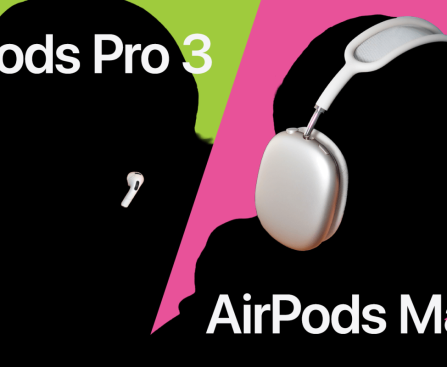
Since their debut in 2020, the AirPods Max have sparked conversations among both audiophiles and casual users. With a steep price of $550, many, myself included, struggled to rationalize the expenditure, particularly when the AirPods Pro provided a more cost-effective and feature-rich option. However, with the launch of the AirPods Max 2 in 2025, which integrated numerous features from the AirPods Pro 3, I opted to give them a go. While the AirPods Max 2 are certainly impressive, they also showcased the exceptional capabilities of the AirPods Pro 3.
## Key Features of AirPods Max 2 and AirPods Pro 3
Both the AirPods Max 2 and AirPods Pro 3 boast a variety of advanced features, courtesy of the H2 chip integration. Here’s an overview of their common capabilities:
– Active Noise Cancellation + Transparency Mode
– Voice Isolation
– Adaptive Audio
– Loud Noise Reduction
– Conversational Awareness
– Personalized Spatial Audio
– Live Translation
These features significantly enhance the listening experience and perform exceptionally on both devices.
### Design and Functionality Differences
The distinctions between the two models mainly arise from their design and the functionalities that result from that design.
#### AirPods Max 2 Features:
– Larger drivers owing to the over-ear design
– About 20 hours of uninterrupted playback
– High-quality materials and manufacturing
– Physical controls (Digital Crown + button)
– Wired USB-C lossless audio support
#### AirPods Pro 3 Features:
– IP57 sweat and water resistance
– Heart rate sensor
– Hearing aid and assistance features
– MagSafe and wireless charging
– Up to 30 hours of playback time with the case (6-8 hours of continuous playback)
## Sound Quality Evaluation
During my assessment of the sound quality of the AirPods Max 2, my expectations were high. They provided a rich, loud sound with impressive bass and clear vocals, which is typical of a high-end headphone. The Active Noise Cancellation (ANC) efficiently eliminated surrounding sounds, and the Transparency mode performed remarkably well, creating an almost surreal auditory experience.
However, I discovered that the AirPods Pro 3 offered a listening experience that was virtually indistinguishable from that of the Max 2. In various listening settings, the bass and vocal clarity were similar, leading me to value the AirPods Pro 3 even more.
### Lossless Audio
One area where the AirPods Max 2 shines is in their capacity to support wired lossless audio via the USB-C port. This feature does enhance sound quality, delivering more detail and improved fidelity. Nevertheless, it’s important to recognize that most users likely use their headphones wirelessly, where the sound quality between the two models remains quite comparable.
## Price and Value Assessment
The AirPods Pro 3 are much more budget-friendly, currently retailing around $224, while the AirPods Max 2 are priced at $529. For many users, the Pro 3’s portability, supplementary health features, and overall value render them a more attractive choice. The Max 2, though offering high-quality materials and sound performance, may not justify the cost for everyone.
## Conclusion
In summary, while the AirPods Max 2 are fantastic headphones with a luxurious build and audio quality, they may not suit everyone’s needs. The AirPods Pro 3 present a formidable alternative with added features, portability, and a more attainable price. Ultimately, the choice between the two hinges on individual preferences regarding design, intended use, and budget.