Blog Posts

Blog Posts

“Cosmic Orange Rises as a Fashion Innovator, Motiving Rivals to Embrace the Hue”

### The Rise of Cosmic Orange: A Trailblazer in Smartphone Aesthetics

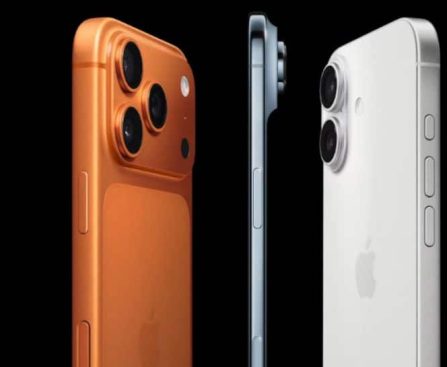
The launch of the Cosmic Orange hue for the iPhone 17 Pro has not only enchanted buyers but has also profoundly impacted the smartphone sector. This vivid shade proved to be a critical element in Apple’s record-setting iPhone sales, highlighting the influence of color in consumer tech.

#### A Shade That Enchanted Buyers

The Cosmic Orange edition of the iPhone 17 Pro swiftly became a favorite following its debut, capturing attention due to its distinctive and eye-catching look. As pointed out by industry experts, this color selection was instrumental in Apple’s financial triumph, aiding a significant revenue surge in the first quarter of 2026. The charm of Cosmic Orange has shown that color can decisively sway consumer choices, especially in a crowded marketplace.

#### Rivals Take Notice

Apple’s triumph with Cosmic Orange did not slip by its rivals. At the Mobile World Congress 2026, several Android smartphone brands unveiled devices that closely mirrored the iPhone 17 Pro, not just in design but also in hue. The trend of embracing similar color shades signifies a larger strategy among competitors to take advantage of Apple’s innovations and consumer allure.

CNET covered the prevalence of these “me-too” devices, emphasizing that many featured elements reminiscent of the iPhone 17 Pro Max, including its dimensions, button arrangement, and back camera setup. This imitation highlights the influence that Apple’s design decisions have on the wider smartphone environment.

#### Beyond Mobile Devices: A Color Trend

The impact of Cosmic Orange goes beyond just smartphones. Various product categories, such as accessories and chargers, have also adopted this bright color. For example, the Anker Nano Charger with Smart Display has embraced a similar look, signaling that the trend is infiltrating diverse areas of consumer electronics.

#### Future Ramifications

With Apple’s recent rollout of the MacBook Neo in a variety of new shades, it is probable that these colors will also inspire similar adaptations in the market. The trend of color incorporation in tech products indicates that companies will likely keep a close eye on Apple’s releases, aiming to mirror successful features to attract buyers.

### Conclusion

The Cosmic Orange hue of the iPhone 17 Pro has not only established a new benchmark for smartphone design but has also ignited a trend of imitation throughout the industry. As competitors endeavor to capture the essence of Apple’s success, the importance of color in product aesthetics will undoubtedly continue to be a key focus in the advancement of consumer electronics.

Poll: Favored Color Choices for the MacBook Neo

### Apple Debuts the MacBook Neo: A Lively Addition to the Mac Collection

Apple has officially introduced the new MacBook Neo, branding it as a fun and colorful enhancement to its Mac collection. This fresh model is crafted to resonate with a youthful demographic and those seeking a new aesthetic in their computing gadgets. The MacBook Neo is offered in four unique colors: blush, indigo, silver, and a distinctive hue dubbed “fresh new citrus.”

#### Color Selections and Design

The selection of colors demonstrates Apple’s desire to ensure the MacBook Neo captures attention. While the hues are vibrant in promotional visuals, they seem slightly subdued in actual use, especially in the aluminum finish. The keyboards are color-coordinated with the laptop’s exterior, enhancing the overall design harmony. This meticulous attention to detail has received positive remarks, with many admiring the visual appeal of the new color assortment.

#### Popularity and Pre-Order Trends

Initial signs of the MacBook Neo’s popularity can be observed in the pre-order figures. The blush version has emerged as the most coveted color, whereas the silver variant has garnered the least appeal. This pattern indicates that consumers are inclined to embrace the novelty of the Neo rather than choosing more conventional, understated colors generally linked with premium models.

#### Consumer Preferences

Interestingly, a survey conducted prior to the launch revealed that while many consumers welcome the variety of new color options, the pastel tones selected for the MacBook Neo were not the most popular. Participants voiced a preference for more striking color possibilities, suggesting a possible shift in consumer desires for forthcoming Apple offerings. This input may impact the color selections for future releases, including the eagerly awaited new iMac shades later this year.

#### Conclusion

The MacBook Neo signifies a strategic effort by Apple to infuse fun and character into its product lineup. With its lively colors and intentional design, it aims to entice a broad spectrum of users. As indicated by the pre-order data, the reception of the MacBook Neo’s color options will be closely observed, potentially influencing the company’s subsequent design choices. As consumers continue to yearn for distinctive and expressive technology, Apple’s readiness to experiment with color may be a crucial element in its sustained success within the competitive laptop industry.

Cutting-Edge Production Methods Advantage Apple and Foster Ecological Sustainability

### Apple’s Progressive Manufacturing Methods: The MacBook Neo and Beyond

Apple’s dedication to sustainability and efficiency is showcased in its latest hardware advancements, especially with the launch of the MacBook Neo. As per Molly Anderson, the hardware design leader at Apple, the firm overhauled its manufacturing processes entirely for this new laptop, resulting in a notable decrease in material waste.

#### Environmental Credentials of the MacBook Neo

The MacBook Neo has established a new standard for environmental sustainability within Apple’s product range. It features an outstanding 60% recycled materials, the highest ratio among all Apple products to date. This encompasses 90% recycled aluminum and 100% recycled cobalt in its battery, highlighting Apple’s commitment to minimizing its ecological impact.

#### New Machining Process

Apple has adopted an innovative manufacturing method for the MacBook Neo’s casing, utilizing 50% less aluminum compared to conventional machining techniques. In former models, Apple began with a rectangular aluminum block, leading to significant offcuts. For the MacBook Neo, the manufacturing starts with an extrusion that is flattened and shaped using heat and pressure, allowing for a more exact form with minimal waste. This cutting-edge technique not only conserves materials but also cuts down machining time and energy use.

#### Progress in 3D Printing for Upcoming Devices

Besides the MacBook Neo, Apple is investigating advanced manufacturing methods for upcoming iPhones and Apple Watch iterations. The company has commenced using 3D printing for the titanium frame of the Apple Watch Ultra 3, enabling the incorporation of 100% recycled titanium powder. Reports suggest that Apple is currently assessing the feasibility of 3D printing aluminum for the frames of its future devices. This process, although challenging due to aluminum’s characteristics, could transform how Apple produces its products, allowing for significant reductions in weight and material efficiency.

#### The Twin Advantages of Innovation

Apple’s emphasis on sustainable manufacturing not only bolsters its environmental credentials but also enhances its profit margins. By minimizing material waste and refining production processes, Apple can cut costs while reinforcing its dedication to sustainability. This twin benefit signifies a strategic edge for the company, aligning its business objectives with ecological accountability.

In conclusion, Apple’s innovative manufacturing strategies, particularly with the MacBook Neo and future devices, indicate a substantial shift towards sustainability and efficiency. As the company ventures further into advanced techniques like 3D printing, it sets a benchmark for the tech industry, illustrating that environmental responsibility can coexist with profitability.

Chrome’s Gemini AI Assistant Grows Globally

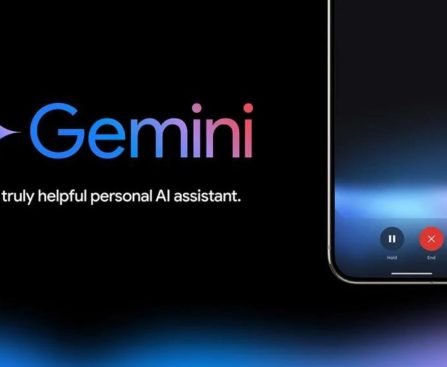
Google’s Gemini AI assistant, embedded in Chrome, is broadening its availability to individuals in India, Canada, and New Zealand. This extension features support for over 50 extra languages, including Hindi, French, and Spanish, improving accessibility and function for a wider audience. The capabilities of the Gemini 3.1 model drive these enhancements, ensuring a smooth experience across various platforms. On desktops and iOS, Gemini can be accessed through an icon in the upper-right corner, while Android users can activate it by pressing the power button.

Gemini in Chrome serves as a tailored browsing assistant, permitting users to chat for immediate answers or creative ideas without navigating away from their current web page. It can provide summaries of long web pages, create quizzes, and respond to numerous inquiries, such as converting recipes into vegan versions. Moreover, it retains a record of previously visited pages, assisting users in managing their tabs more effectively.

The AI assistant can also examine multiple open tabs, unifying information into a single view, which proves beneficial for activities like research or shopping comparisons. It works seamlessly with popular applications such as Gmail, Maps, Calendar, and YouTube, allowing users to set up meetings, obtain location information, engage with videos, or write and send emails directly from the browser.

Google has further rolled out the Nano Banana 2 model in Chrome, enabling users to modify images online without the need to upload files or open additional tabs. This functionality enhances the user experience by allowing for quick edits, such as experimenting with different furniture arrangements before making a purchase.

Security remains a core concern for Google, with Gemini in Chrome created to identify and prevent threats, including prompt injection attacks. The system necessitates user approval for sensitive actions and utilizes automated red-teaming alongside Chrome’s auto-updates to swiftly tackle new threats.

For users in the newly supported areas, Gemini’s tools are set to transform browsing by conserving time and increasing productivity. However, users are advised to manage permissions cautiously to prevent unintended disruptions, such as calendar errors.

Assessing Alexa+: Consequences for the Expectation of Upcoming Siri Functionalities

**The Postponed Release of Siri and Alexa+: A Chronicle of Disappointment and Unfulfilled Hopes**

The technology sphere has been lively with conversations concerning the postponed release of Apple’s updated Siri, which has left numerous users experiencing a mix of disappointment and acceptance. Initially highlighted in a now-removed promotional video for the iPhone 16, the enhanced iteration of Siri is projected to officially debut alongside the iPhone 18, further delaying its expected arrival. This postponement has ignited a variety of responses, especially as users look forward to enhancements that promise to boost the voice assistant’s performance.

In the fierce arena of voice assistants, Amazon’s Alexa+ was first regarded as a leader, flaunting sophisticated features intended to surpass Siri. However, akin to Apple’s predicament, Alexa+ has also encountered notable delays and has struggled to fulfill its commitments. The conversational version of Alexa was revealed for the first time in February of the prior year, yet the enthusiasm swiftly diminished as the company started to retreat from its initial assertions.

A soft rollout of Alexa+ in August faced backlash, as critics noted several problems, including absent features and reliability concerns. Basic commands frequently malfunctioned, resulting in a disappointing experience for users. The comprehensive launch in the United States took place just a month ago, but initial reviews suggested that many users were underwhelmed, with some even returning to the older version of Siri due to dissatisfaction with Alexa+.

Tech writer Rhys Rogers from *Wired* shared an honest review after testing Alexa+ on an Echo Show 15 for a month. His experience was anything but favorable, labeling the assistant as “unpredictable” and “partially completing tasks.” He compared interactions with Alexa+ to engaging with a “synthetic bridge troll,” highlighting the frustration of needing to phrase commands perfectly. This concern resonates with users of the original Alexa, who discovered that the assistant’s functionalities often depended on rehearsing specific expressions and pre-installed skills.

As the tech community monitors the progress of both Siri and Alexa+, the prevailing sentiment remains one of guarded hope. With the new Siri still forthcoming, there is optimism that Apple will create a voice assistant that satisfies user expectations and enriches the overall experience. Meanwhile, the obstacles faced by Alexa+ highlight the intricacies involved in crafting genuinely conversational AI that can merge effortlessly into users’ everyday lives.

Critiques of the iPhone 17e Emphasize Its Worth as a Refined Budget Choice, Augmenting the Allure of the iPhone 17

**Apple iPhone 17e: An In-Depth Review**

Apple’s newest budget-friendly smartphone, the iPhone 17e, officially launches on Wednesday with a price tag of $599. Initial evaluations underscore several significant features, including a fresh color variant, enhanced storage options, and the incorporation of MagSafe technology. Nonetheless, the iPhone 17e’s drawbacks are leading some buyers to explore the standard iPhone 17, which presents more sophisticated features at a higher cost.

**Main Features and Enhancements**

Critics have observed that the iPhone 17e acts as a robust upgrade for users of older devices like the iPhone SE and iPhone 11. Brian Tong, in his video assessment, highlights the advantages of the expanded storage and the inclusion of MagSafe, which boosts the device’s capabilities.

TechRadar commends the new soft pink color choice as a desirable addition and characterizes the A19 chip as “sufficiently speedy.” However, they express disappointment over the lack of an always-on display and a 120Hz refresh rate, which are quickly becoming standard in contemporary smartphones. The review remarks, “The iPhone 17e isn’t a complete overhaul of Apple’s budget iPhone — instead, it’s an enhancement of the approach initiated by the iPhone 16e.”

**Comparative Evaluation with iPhone 17**

The Verge’s analysis indicates that although the iPhone 17e is a commendable device, the $200 upgrade to the standard iPhone 17 is warranted due to the latter’s enhanced features. The Verge mentions, “If you can afford to invest that additional money, it’s advisable.”

CNET portrays the iPhone 17e’s attraction as “magnetic” due to its MagSafe functionality, yet also notes that the device’s design features bulkier bezels and a dated notch rather than the more contemporary Dynamic Island feature. The fixed 60Hz display poses another limitation, as it lacks the always-on display capability that many consumers have started to expect.

Engadget encapsulates the iPhone 17e as “the budget-friendly option,” emphasizing its role as an entry-level smartphone that fulfills fundamental needs. They observe that given the current economic situation, shoppers may lean more toward affordable devices, rendering the iPhone 17e an appealing choice at its price.

**Final Thoughts**

The iPhone 17e is up for pre-order before its official launch on March 11. While it provides several attractive features for consumers on a budget, the limitations when compared to the standard iPhone 17 might prompt some to rethink their decisions. For individuals who value advanced features and are prepared to spend a little more, the iPhone 17 stands out as a strong alternative.

For more perspectives, further reviews are accessible on sites like The Telegraph, MobileSyrup, PCMag, Tom’s Guide, and Wired.

M4 iPad Air Evaluations: Improved Efficiency and Worth in Apple’s Newest Version

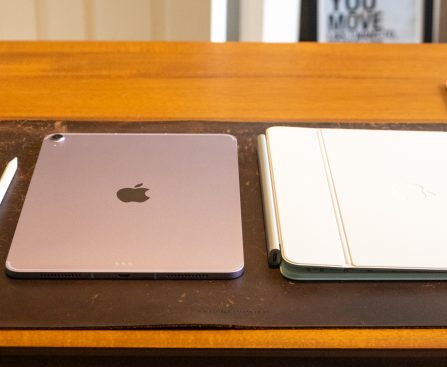
Apple’s latest M4 iPad Air is set to reach consumers this Wednesday, and today marks the arrival of initial reviews for this upgraded iPad. Here’s a summary of what the reviewers are mentioning.

### M4 iPad Air Performance vs the M5 iPad Pro

Numerous reviews draw comparisons between the performance of the M4 iPad Air and the M3 model—which it surpasses moderately—as well as the significantly pricier M5 iPad Pro.

Kyle Barr notes at *Gizmodo*:

> “There remains a disparity between the performance of the iPad Air and the iPad Pro, yet this divide has markedly narrowed with the newest version. The M4 iPad Air is running just a few hundred points behind the M5 iPad Pro in CPU benchmarks. In terms of graphics evaluations, the M5 iPad Pro, equipped with a complete 10-core CPU and 10-core GPU, still retains the advantage, scoring 3,984 in the ‘Steel Nomad Light’ benchmark compared to the M4 iPad Air’s 3,166. Performance continues to be a primary factor in choosing the M5 iPad Pro, but for those looking to spend significantly less, the M4 iPad Air represents an excellent option for most creators.”

Maria Diaz remarks at *ZDNET*:

> “As a writer engaged in photography, video, and some graphic design ancillary, I’ve discovered that the iPad Air is the most budget-friendly tablet that can efficiently manage my tasks without a single hiccup. Priced at $599, which is $400 less than the iPad Pro, its M4 processor, enhanced connectivity, and 12GB of unified memory appear almost too exceptional for the cost.”

### Apple’s C1X Chip for Cellular

The introduction of the C1X modem in the M4 iPad Air could be a significant enhancement for frequent cellular users.

David Pierce comments at *The Verge*:

> “Apple’s C1X seems to be quite a game-changer. I have always been a strong advocate for cell-enabled iPads, as that perpetual connectivity enhances the iPad’s usefulness for on-the-go tasks like emailing, reading, or browsing the web—activities the iPad is designed for. They also serve as excellent hotspots due to their large batteries. Based on my current testing, the M4 Air is consistently the fastest cell-enabled device I own and, in areas with poor service, sometimes delivers speeds several times faster than recent iPhones, Pixels, and even other iPads.”

### The Enticing Alternative of MacBook Neo

It is not surprising that some reviews have drawn parallels between the new iPad Air and another noteworthy $599 offering from Apple: the MacBook Neo.

Mike Prospero writes at *Tom’s Guide*:

> “I suspect many will ponder whether to opt for the iPad Air or invest in the MacBook Neo, which is $250 cheaper when considering the price of the Air’s keyboard. While the Air features a touchscreen and is more portable, its value proposition compared to Apple’s laptops is considerably more debatable if you seek a cost-effective productivity device. Indeed, the iPad Air is the premier Apple tablet for the general public, but it may have just been outdone by the Neo as the top budget-friendly Apple option for accomplishing tasks.”

### M4 iPad Air: Video Reviews and Wrap-Up

*TechRadar* encapsulates the new iPad succinctly: “iPad Air has consistently been the ‘pro model for the majority,’ and the 2026 update maintains that stature.”

This isn’t a groundbreaking upgrade, but it does ensure the iPad Air remains a solid intermediate option between the basic iPad and the iPad Pro.

Here are some video reviews that are also worth watching:

### Best iPad Accessories

*FTC: We utilize income-generating auto affiliate links.*

Gemini in Chrome Goes Global for the First Time

**Gemini in Chrome Goes Global: New Features and Language Support**

Following its initial debut in the U.S. last year and a notable update earlier this January, Gemini in Chrome is now branching out to Canada, India, and New Zealand. This rollout also encompasses support for over 50 languages, improving accessibility for users around the globe.

**Launching Gemini in Chrome**

Users can conveniently access Gemini in Chrome from the upper-right corner of the browser, utilizing keyboard shortcuts, the Mac menu bar, or the Windows system tray. The functionality is designed to be flexible, available as a floating window or a side panel that can be attached to the active tab.

**Improved Functionality**

A key feature of Gemini in Chrome is its capability to leverage the context of open tabs, enabling prompts to reference as many as 10 tabs simultaneously. This integration spans various Google services, such as Calendar, Docs, Drive, Maps, Search, and YouTube. A particularly effective integration allows users to draft and send emails directly via Gmail from the side panel, optimizing workflows.

Moreover, the launch of Nano Banana 2 permits users to modify images without requiring file uploads or the opening of a new tab, thus further boosting productivity.

**Security Features**

Regarding security, Gemini in Chrome emphasizes user protection by necessitating confirmation prior to executing sensitive tasks, such as sending emails or incorporating events into the calendar. This function is intended to avert unintentional actions and improve user command over their data.

**Language Support**

The rollout of Gemini in Chrome introduces support for a diverse range of languages, including:

– Afrikaans
– Amharic
– Bulgarian
– Bengali
– Catalan
– Czech
– Danish
– German
– English (UK and US)
– Greek
– Spanish (including Latin America)
– Estonian
– Basque
– Finnish
– Filipino
– French
– Galician
– Gujarati
– Hindi
– Croatian
– Hungarian
– Indonesian
– Icelandic
– Italian
– Japanese
– Kannada
– Korean
– Lithuanian
– Latvian
– Malayalam
– Marathi
– Malay
– Dutch
– Norwegian
– Polish
– Portuguese (Brazil and Portugal)
– Romanian
– Russian
– Slovak
– Slovenian
– Serbian
– Swedish
– Swahili
– Tamil
– Telugu
– Thai
– Turkish
– Ukrainian
– Vietnamese
– Chinese (Simplified and Traditional)

**Device Compatibility**

In addition to being accessible on Chromebook Plus, Mac, and Windows, this rollout extends Gemini in Chrome to the iOS browser, enabling users to utilize its features across various devices.

With these enhancements, Gemini in Chrome is poised to significantly improve the user experience, establishing itself as a key resource for productivity and efficiency in web browsing.