Blog Posts

Blog Posts

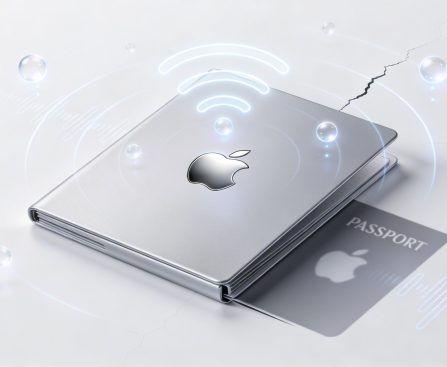
Leaker Unveils Future Achievement for iPhone Fold’s Seamless Display

# Samsung Galaxy Z TriFold: The Future of Foldable Technology

The market for foldable smartphones is swiftly advancing, with prominent brands such as Samsung at the forefront. The Samsung Galaxy Z TriFold is expected to revolutionize this sector, presenting groundbreaking features and design that address the demands of contemporary users. This article explores the projected features, specifications, and the competitive environment surrounding the Galaxy Z TriFold.

## Design and Display

The Samsung Galaxy Z TriFold is anticipated to showcase a distinctive tri-fold design, enabling users to transform the device into a larger tablet-like format. This innovative concept not only boosts multitasking capabilities but also offers a more immersive experience for media enjoyment. The device is rumored to incorporate Samsung’s latest folding display technology, which aims to eradicate the crease that has affected prior foldable models.

### Crease-Free Technology

Recent leaks indicate that Samsung has achieved significant progress in its display technology, concentrating on delivering a crease-free experience. This advancement is vital, as it addresses one of the main concerns users have about foldable devices. A smooth, uninterrupted display will enhance the overall user satisfaction, making the Galaxy Z TriFold an enticing option for consumers.

## Performance and Specifications

The Galaxy Z TriFold is expected to come equipped with top-tier hardware, featuring the latest processors and substantial RAM to handle demanding applications. Users can look forward to seamless performance, whether multitasking across applications or engaging in resource-heavy tasks like gaming or video editing.

### Software Features

Samsung is likely to unveil new software functionalities specifically designed for the tri-fold layout. These may encompass improved multitasking capabilities, allowing users to operate multiple applications side by side. Furthermore, Samsung’s One UI will probably be optimized for the unique form factor, ensuring a smooth and intuitive user experience.

## Competitive Landscape

As the foldable smartphone market intensifies, the Galaxy Z TriFold will encounter competition from other significant players, including Apple’s forthcoming iPhone Fold. Reports suggest that Apple is also developing a foldable device focused on a crease-free display, which is about to enter mass production soon. This rivalry will stimulate innovation and enhancements in foldable technology, benefiting consumers.

## Conclusion

The Samsung Galaxy Z TriFold symbolizes the next phase in the evolution of foldable smartphones. With its pioneering design, advanced display technology, and robust performance, it is set to reshape user expectations. As the market progresses, consumers can anticipate a new age of mobile devices that merge versatility and functionality in extraordinary ways.

PC Makers Unprepared for the MacBook Neo

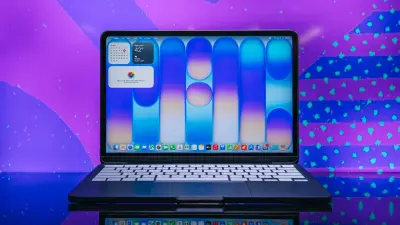
The MacBook Neo is here, and it took no time at all for an executive from a major PC manufacturer to put their foot in their mouth trying to discuss this new competition from Apple’s $600 laptop. On Asus’ latest earnings call, CFO Nick Wu said that the Neo and its aggressive entry-level pricing were […]

Four Reasons Why Automatic License Plate Readers Produce Mistakes

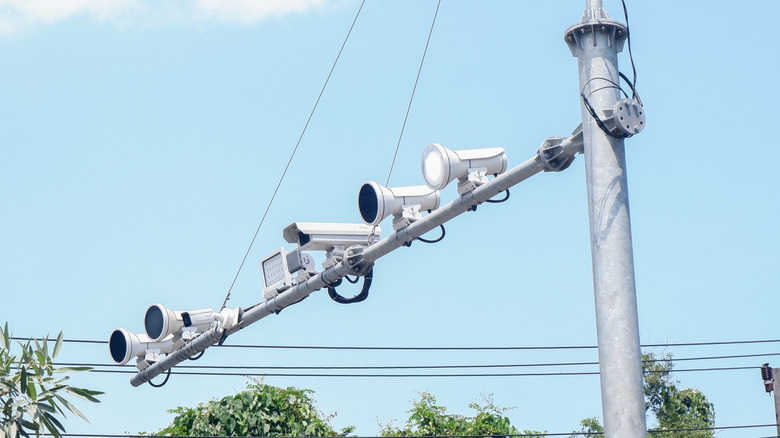
Automatic License Plate Readers are apparatus that employ specific cameras and software to capture, analyze, and store the license plate details of vehicles that pass by. Often employed by law enforcement as a tool against crime, ALPRs can generate records of vehicular activity and cross-reference license plate information with governmental databases concerning vehicles of interest. While some of these systems have attracted enough controversy to incite vandalism of traffic cameras, they can also serve as effective investigative instruments when, for instance, police aim to find a stolen vehicle.

Nonetheless, ALPRs are not infallible, and various factors can influence their accuracy. A build-up of grime may obscure a license plate. Meteorological conditions, such as rain or snow, or inadequate lighting can lead to poor image quality. Misplacement of the camera could result in distorted characters or difficulties in reading plates of vehicles varying in height.

These issues might cause a vehicle or individual to be misidentified by the system, leading to increased scrutiny from law enforcement. Below, we present four common reasons Automatic License Plate Readers might err when interpreting a vehicle’s license plate.

Characters on the license plate that look alike

“Pixel 10 Pro’s 100x Zoom Rebranded, Prompting Curiosity Regarding Its Initial Designation”

Google has lately implemented a subtle yet significant modification to its Pixel 10 Pro smartphone series. The tech behemoth has rebranded the 100x zoom feature from “Pro Res Zoom” to just “Pro Zoom.” This alteration is part of the rollout of the Pixel Camera version 10.3 update. The update does not bring forth major new functionalities but seeks to simplify the naming structure of the zoom feature on Pixel 10 Pro devices.

Originally introduced with the Pixel 10 Pro lineup, the AI-enhanced 100x zoom capability was a notable enhancement compared to the Pixel 9 series, which allowed zooming up to 30x. The rebranding to “Pro Zoom” is evident across multiple platforms, including the Pixel Camera settings, help documentation, and Google Store listings for the smartphones.

This adjustment underscores Google’s ongoing commitment to refining its product range and improving user satisfaction. The update is being progressively released to Pixel smartphones, and users are advised to update their Pixel Camera application to observe the changes in their interface. Moreover, this isn’t the sole camera-centric update from Google this month, as the Android 16 QPR3 update also tackled a camera crash issue impacting Pixel 9 and later models.

“One UI 8.5 Resolves Persistent Problem of Neglecting to Turn Off Phone’s Focus Modes”

**One UI 8.5 Finally Allows My Samsung Routines to Know When to Stop**

Samsung has introduced a significant enhancement with One UI 8.5, resolving a long-standing challenge with its automation features. Galaxy users can now dictate how long a routine remains active, instead of it operating indefinitely. This update presents new scheduling alternatives, enabling routines to run “Forever,” until a particular date, or just once. Nevertheless, manually initiated routines remain unchanged and do not support expiration scheduling.

Samsung’s Modes and Routines functionality has served as a robust tool for establishing “if this, then that” actions on Android. Users can automate tasks such as activating Do Not Disturb at bedtime or turning on Wi-Fi upon returning home. In the past, routines would persist until manually deactivated, which could be cumbersome for temporary automations like vacations or special occasions.

With One UI 8.5, Samsung adds a “Keep routine until” feature in the routine editor. This permits users to configure routines for temporary scenarios without needing to manually turn them off afterwards. The update is already accessible on devices operating stable One UI 8.5, including the Galaxy S26 series, and is anticipated to be rolled out more extensively across Samsung’s lineup.

In summary, this update improves the flexibility and intelligence of Samsung’s automation features, diminishing the need for close oversight and guaranteeing that routines cease when they are no longer necessary.

Samsung Galaxy S26 Ultra Disassembly Reveals Cutting-Edge Camera Innovations Not Discussed During Unpacked Event

The Samsung Galaxy S26 Ultra has recently been analyzed, demonstrating that its internal functionalities are more enthralling than its outward appearance. A disassembly by tech YouTuber Zack Nelson has revealed major hardware modifications, especially in the camera and cooling mechanisms, which were not emphasized during Samsung’s Unpacked presentation.

**Key Discoveries:**

1. **Camera Enhancements:**
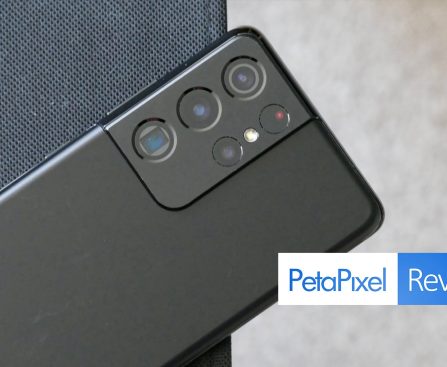
– The S26 Ultra preserves a 50MP 5x periscope telephoto camera but debuts a new ALOP (All Lenses On Prism) architecture. This configuration allows lenses to align directly with the prism, improving light intake and leading to a brighter f/2.9 aperture compared to the former f/3.4. This modification enables the camera to absorb 37% additional light, thereby enhancing low-light and Nightography performance.

2. **Improved Cooling Mechanism:**
– The vapor chamber has been enlarged by around 15%, facilitating superior heat management during demanding tasks like gaming and AI computations. This enhancement guarantees that the device maintains stability under strenuous usage.

3. **Design Modifications:**
– The S Pen compartment has been revamped with a sealed slot, obstructing liquid intrusion from impacting the phone’s internal elements. The stylus size has also been modified, indicating a shift in design from earlier models.

4. **Audio and Display Modifications:**
– Samsung has included tiny balls within the speaker modules to diminish the thin sound commonly associated with small smartphone speakers. However, the anti-glare coating from the S25 Ultra is missing, potentially due to a new Privacy Display that restricts viewing angles for improved privacy.

5. **Ease of Repair:**
– The S26 Ultra is comparatively simple to repair, featuring a detachable back panel and a replaceable battery, which is beneficial for repair shops and DIY fans.

**Conclusion:**
While the S26 Ultra may not exhibit significant design variations externally, its internal improvements, such as enhanced camera capabilities, better cooling, and careful engineering adjustments, make it a sturdy and dependable device. These subtle yet significant upgrades indicate a focus on refining existing features rather than introducing radical innovations, fulfilling users’ demands for improved functionality and durability.