Blog Posts

Blog Posts

iPadOS 26.4 Brings Innovative Features Tailored for Advanced Users

**iPadOS 26.4 Upgrades: A New Chapter for Multi-Window Management**

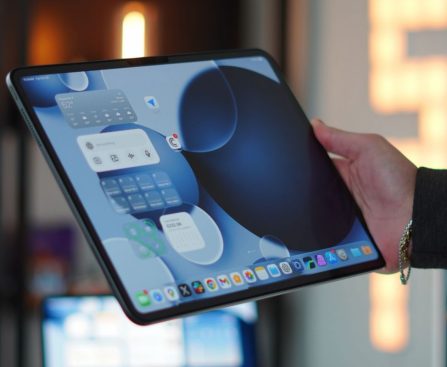
iPadOS 26 has ushered in a considerable transformation in the multitasking features of the iPad, presenting a more adaptable window system that permits users to launch and adjust multiple app windows. This change has been especially appreciated by power users who depend on multitasking for their efficiency. The latest update, iPadOS 26.4, has further improved this experience by introducing a function designed to enhance window management.

### New Feature: Hidden Windows Notification

A prominent improvement in iPadOS 26.4 is the rollout of a notification system that informs users when an app has hidden windows. Upon launching an app with several windows open, users will now encounter a popup that shows the number of hidden windows. This notification is displayed as “X Hidden Windows,” and selecting it will unveil all open windows related to that app.

This feature aims to simplify the user experience, facilitating the tracking of multiple windows and minimizing the likelihood of overlooking essential tasks. The popup is contextually relevant; it shows up near the app icon, making it noticeable yet unobtrusive.

### User Experience and Feedback

Early user responses indicate that the popup does not show up each time an app is initiated, likely a deliberate design decision by Apple. This selective notification helps avoid the popup becoming bothersome, particularly for users who frequently navigate between apps. While it may not be essential for every user, those who work with multiple windows for the same app will find this feature exceptionally advantageous.

### Conclusion

The enhancements in iPadOS 26.4 demonstrate Apple’s dedication to refining the multitasking experience for iPad users. By catering to the requirements of power users with features such as the hidden windows notification, Apple is progressing toward a more efficient and user-centric environment. As users adapt to these modifications, the new windowing system is set to boost productivity and streamline workflows on the iPad.
iOS 26.4.1 Fixes iCloud Data Synchronization Problems, Including Apple Passwords, on iPhone

**iOS 26.4.1 Now Released: Major Fixes for iCloud Data Synchronization Problems**

Apple has unveiled iOS 26.4.1, which rectifies a major flaw impacting iCloud data synchronization for users. Although the official release notes were somewhat unclear, a discussion on the developer forums disclosed that this update is aimed specifically at issues concerning iCloud change notifications.

### The Issue and Its Consequences

iPhone users on iOS 26.4 faced difficulties where their devices ceased to receive notifications about changes made in iCloud. This interruption affected various applications utilizing the CloudKit framework, including Apple’s own Passwords app. The lack of data synchronization across devices meant that alterations made on one device were not mirrored on others, resulting in inconsistencies and confusion.

This problem raised particular concerns for developers of third-party applications, like Drafts, who felt helpless in resolving the issue except for submitting bug reports to Apple. The fix required an operating system update, which is now included in the release of iOS 26.4.1.

### Services Impacted

The iCloud synchronization problem was not confined to third-party applications; it also influenced some of Apple’s services that depend on CloudKit. For example, the shared passwords function in the Apple Passwords app was affected, complicating the user experience for those depending on seamless data synchronization.

### Instructions for Updating

If you have encountered synchronization issues on your iPhone and are currently using iOS 26.4.0, it is recommended to upgrade to iOS 26.4.1. The same bug exists on iPadOS 26.4.0, although macOS Tahoe 26.4 users were not influenced by this specific issue.

To update your device, go to **Settings -> General -> Software Update** and download the latest version. For individuals participating in the beta program, the problem has already been resolved in the most recent release of iOS 26.5.

### Summary

The launch of iOS 26.4.1 is an important update for users encountering iCloud data synchronization problems. By addressing this issue, Apple seeks to enhance the dependability of its cloud services and improve the overall user experience across its devices. If you have been dealing with these synchronization issues, updating your device is highly recommended.

Authorized Replacement Components Offered for MacBook Neo, iPhone 17e, Studio Display XDR, and Additional Devices

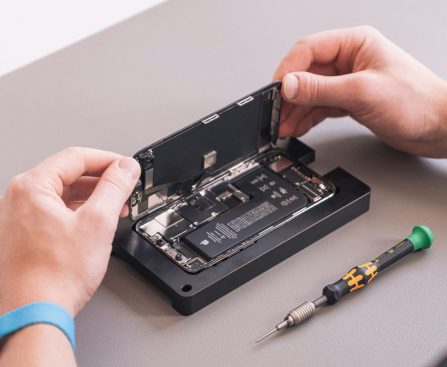
Apple has recently refreshed its Self Service Repair Store, broadening the accessibility of individual repair components for its newest products, including the esteemed MacBook Neo. This initiative, which commenced in 2022, enables users in qualifying areas to buy or rent parts and tools to conduct their own repairs on compatible devices.

The Self Service Repair Store not only grants access to essential elements but also supplies official repair guides. These guides feature comprehensive, step-by-step instructions for replacing various serviceable components, simplifying the repair process for users looking to manage repairs on their own.

The latest update introduces new parts and tools for the MacBook Neo and the iPhone 17e, in addition to other newly launched products such as the iPad Air (M4), MacBook Air (M5), MacBook Pro (M5 Pro and M5 Max), new Studio Display, and Studio Display XDR. Users can now acquire parts including the back glass and bottom speaker of the iPhone 17e as well as the housing, fans, and logic board of the Studio Display XDR.

This advancement is especially advantageous for MacBook Neo users, as the laptop has been lauded for its repairability. The access to parts and tools empowers users to oversee their device upkeep, potentially prolonging the lifespan of their products.

For additional details, users can visit Apple’s Self Service Repair Store and find the official repair manuals via the provided links.

OpenAI Made Economic Proposals — Here’s What DC Thinks of Them

Happy ceasefire day and welcome to Regulator, a newsletter for Verge subscribers about Big Tech’s rocky journey through the world of politics. If you’re not a subscriber yet, you can do so here, but my only request is that you sign up before Donald Trump decides to revisit his previous threats toward Iran and kickstart […]

Samsung to Cease Support for Well-Known App in 2026

according to a formal statement issued by the company. Samsung is also recommending that users change to Google Messages as their default application, highlighting a range of feature “enhancements” they will receive upon making the transition, many of which were not present in Samsung’s app. 

Android is built to permit users to select their own preferred default applications. You can install a launcher to substitute the stock core experience, for instance, or various messaging and social applications to take the place of what would have been Samsung Messages as the default. Samsung indeed ceased pre-loading its Messages app on devices as recently as the Galaxy Z Fold 6, Flip 6, and the Galaxy S25 Series, although you could simply download it from the Galaxy Store, Samsung’s mobile application marketplace. 

The specific date for the app’s closure will be disclosed within the app at a later time. If you own an Android 11 device or earlier, Samsung asserts that you will not be impacted by this service termination, and Samsung Messages should continue operating on those older devices.

Transitioning to Google Messages will actually enable several new features, such as RCS messaging, which facilitates high-quality media sharing, group conversations with iPhone users, and real-time typing indicators. Samsung also specifically mentions enhanced and “robust security” with AI fraud detection and spam filters, dynamic AI capabilities, and multi-device connectivity.

Why is Samsung discontinuing its Messages app?