The founder of rental software company PocketOS claimed that an AI agent put their business out of commission for 30 hours.


The founder of rental software company PocketOS claimed that an AI agent put their business out of commission for 30 hours.
CERNâs BASE experiment achieves first antimatter transport by truck, enabling new research beyond lab conditions.

Astronaut Victor Glover shares insights from Artemis II, including flying Orion and seeing unseen parts of the moon.

Blue Origin successfully launches and lands its New Glenn rocket again, marking progress in reusable spaceflight technology.

A nice essay from Cam Pedersen. Clay breaks. A lot. My first few attempts collapsed on the wheel. One piece cracked in the kiln. I dropped another walking to my car. But nobody cries about it, you just start over. The clay doesn’t care. It’s just material waiting for the next idea. You’re gonna have […]

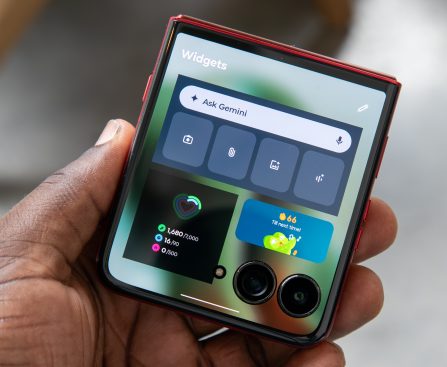
We referred to the Motorola Razr Ultra (2025) as the top flip phone for the majority of users.
John Giannandrea, the former leader of artificial intelligence at Apple, has recently wrapped up his time at the company, signaling a notable shift in his professional journey. His exit, first reported in December, has sparked discussions regarding his future endeavors, which have since been verified. Giannandrea is poised to join CuspAI, a science AI startup based in the UK, to facilitate its growth in the U.S. market.
CuspAI, recognized for its groundbreaking efforts in materials science, has brought Giannandrea on board to assist in setting up a Bay Area office. Although his title is not formally established, his responsibilities will include steering the startup in recruiting top-notch AI talent to enhance its U.S. operations. Sources suggest that Giannandrea will engage with CuspAI part-time, indicating he might also collaborate with other AI startups during this time.
Prior to his tenure at Apple, Giannandrea led search and AI initiatives at Google, making his hiring by Apple a significant milestone for the tech company. However, his leadership at Apple faced backlash, as many perceived that the company fell behind in AI innovations under his direction. This perceived shortcoming culminated in Apple’s dependence on Google for upgrades to Siri and other AI capabilities.
As Giannandrea begins this new phase with CuspAI, the tech community will be keenly observing how his knowledge impacts the startup’s development and the wider AI ecosystem in the U.S.

### WWDC 2026: Anticipated Events and Announcements on the Horizon
WWDC 2026 is approaching quickly, scheduled to run from June 7 to June 12, with the eagerly awaited keynote set for June 8. This year, Apple is anticipated to launch iOS 27 and present an AI-enhanced iteration of Siri, named Gemini. While access to the main conference requires a ticket, numerous developer events will take place throughout Cupertino that welcome everyone.
#### Developer Community Events
Apple has announced nine developer community events planned for WWDC week in California. These gatherings offer a fantastic chance for developers to network, exchange ideas, and connect with the community without needing a WWDC ticket.
In addition to local happenings, Apple invites developers to explore [Envision WWDC26](https://envisionwwdc.org), a third-party online community event that enhances the main conference experience.
For those not in California, Apple has also mentioned developer meetups taking place in the Netherlands, China, and Turkey during that same week. These worldwide events enable developers from different locales to engage in the excitement surrounding WWDC.
#### Registration and Participation
Numerous events require free pre-registration, making it simple for developers to secure their places. This method allows participants to engage with the community and take part in dialogues without the stress of a ticket lottery for the main event.
Developers looking to discover more opportunities can check out [Apple’s community-driven events page](https://developer.apple.com/community/events/), which showcases various meetups and events throughout the year. The site provides options for users to filter events by location and specific dates, including those related to WWDC.
#### Keynote Expectations
The WWDC 2026 keynote is projected to commence at 10 am PT/1 pm ET on June 8. While the official agenda has not been released yet, expectations are soaring for the announcements regarding iOS 27 and the innovations in Siri technology.
As the countdown to WWDC 2026 continues, developers and Apple fans are preparing for a week filled with creativity, networking, and thrilling new technologies.
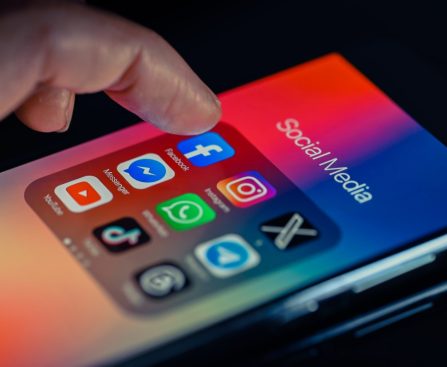
The agency reports that losses from social media scams have increased eightfold, and that social media scams resulted in higher losses than any other method scammers used to contact consumers.
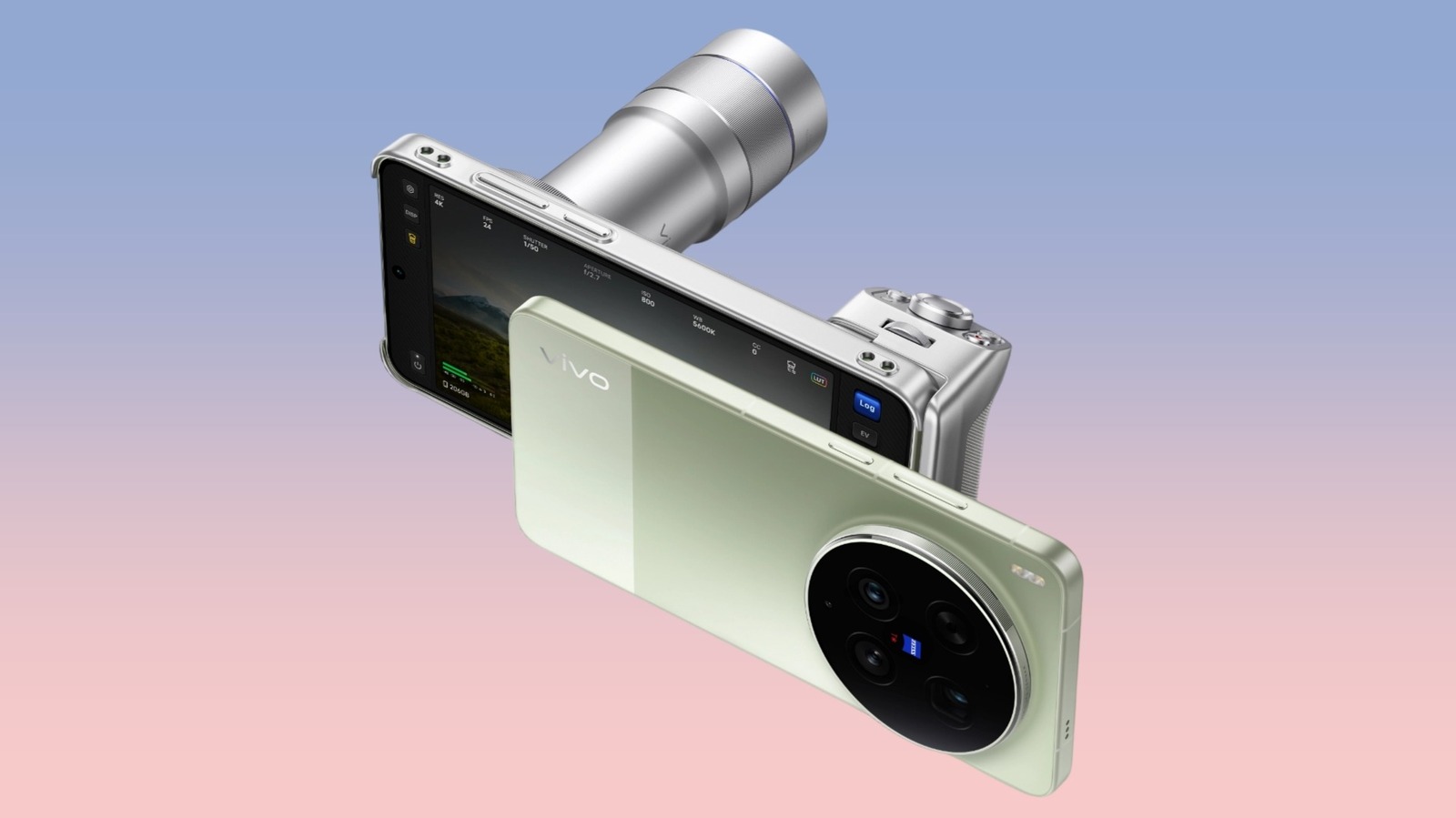
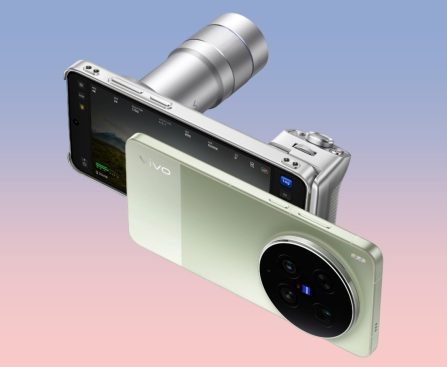
Android phone manufacturer – Vivo — has unveiled a new device named the X300 Ultra in global markets. This is significant because the brand has typically avoided launching its X-series flagship models with the “Ultra” designation outside its native China. Regrettably, a North American debut appears unlikely for the X300 Ultra, so if you desire this phone, you’ll need to import one.
The X300 Ultra stands out from ordinary Android devices. It not only features various high-end specifications, including advanced camera capabilities, but also offers an optional photography kit, complete with a stunning 400mm telephoto lens attachment. This photography kit clearly indicates that the X300 Ultra is aimed at individuals looking to capture professional-quality images from their smartphone, effectively serving as a camera substitute. Initially revealed at the Mobile World Congress in March of this year and then launched in China by the end of that month, the smartphone carries a hefty price tag of 2,000 euros (~US$2,360). The photography kit is also pricey at 600 euros. Preorders are now available in select European regions, with deliveries set to commence on April 24. Here’s everything you should know about the Vivo X300 Ultra and its notable photography features.
The X300 Ultra continues the legacy of its predecessors: the X100 Ultra and X200 Ultra, both known for their outstanding cameras, particularly catering to mobile photographers. Hence, it’s hardly surprising that the X300 Ultra is equipped with impressive camera hardware that has received positive reviews from experts, some referring to it as “the leading camera phone available” and “the most cohesive camera-centric flagship”.
Regarding raw specifications, the X300 Ultra includes a triple camera arrangement on its rear, highlighted by a 200MP main sensor featuring a 35mm f/1.85 aperture lens, a substantial 1/1.12-inch Sony Lytia 901 sensor, and optical image stabilization. Additionally, there is a 200MP telephoto lens utilizing periscope technology with a Samsung ISOCELL sensor, an 85mm f/2.67 aperture lens, and 3.7x optical zoom capability. Lastly, a 50MP ultrawide camera rounds out the setup with a 14mm f/2.0 aperture lens and a Sony Lytia 818 image sensor.
Moreover, you can greatly enhance the telephoto capabilities of the device by opting for the optional photography kit. Unlike the X200 Ultra, which is limited to a 200mm lens extender, the X300 Ultra offers the choice between a 200mm lens or a 400mm lens attachment, with the latter included in the kit and providing 4.7x optical zoom support. Both extenders have been designed in collaboration with the company’s long-term camera partner — Zeiss. The kit also incorporates an imaging grip featuring a dedicated camera button and a built-in 2,300mAh battery to provide additional power to the device. When fully equipped, the X300 Ultra resembles a proper camera more than it does a smartphone.
<div class="columns-holder " readability="25.071