Blog Posts

Blog Posts

Flawed Fitbit Update Turns Off Sensors on Pixel Watch 3 and 4

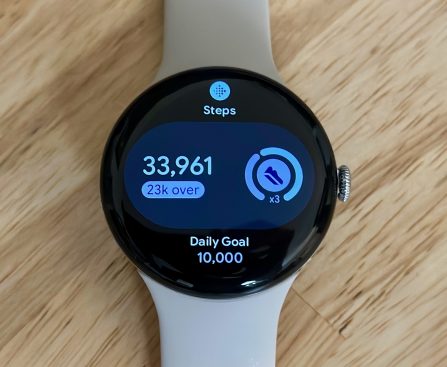
Google’s recent introduction of the Fitbit Air, a fitness tracker without a screen, signifies a strategic move to broaden its health ecosystem. The Fitbit Air aims to offer users an easy way to access Google’s health services. Nonetheless, the launch of this new device coincides with serious problems impacting the Pixel Watch 3 and 4, which are eroding user confidence in Google’s health monitoring features.

Numerous users of the Pixel Watch 3 and 4 have encountered issues with the health tracking functions, particularly concerning the blood oxygen (SpO2) and skin temperature sensors. These problems emerged following a recent firmware update for Fitbit (version 3.57.1.2.910093395.release), which accidentally revoked sensor permissions. Users trying to regain these permissions receive a system notification stating that no application is seeking access, effectively rendering the sensors inactive.

Google has acknowledged the issue and is actively seeking a solution. The company has voiced its regret over the inconvenience caused to users’ health tracking efforts. Meanwhile, some users have experienced temporary relief by rebooting their devices, though this solution is not guaranteed.

This scenario underscores the paradox of contemporary smartwatches: while they provide sophisticated health tracking functionalities that can improve users’ well-being, they also face susceptibility to software malfunctions that can hinder these features. This event serves as a reminder of the vulnerability of the smart experience, even as Google aims to grow its health ecosystem with innovative products like the Fitbit Air.
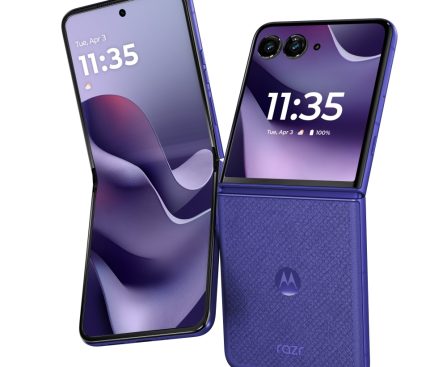
Comparison of Motorola Razr Ultra 2026 and Samsung Galaxy Z Flip 7: Assessing the Top Flip Phone for Your Purchase

The Galaxy Z Flip 7 remains conservative while Motorola expands its horizons.

In the constantly changing landscape of smartphones, the rivalry between Samsung and Motorola intensifies, particularly in the area of foldable devices. The Galaxy Z Flip 7 and the Motorola Razr Ultra 2026 showcase two unique strategies in the flip phone segment, each displaying its individual advantages and drawbacks.

Samsung’s Galaxy Z Flip 7 adheres to a reliable design, enhancing the features that contributed to the success of its predecessors. Featuring a 6.9-inch foldable display, a more expansive edge-to-edge cover screen, and a 50 MP primary camera, the Z Flip 7 delivers a stylish and portable design that is easy to transport. Samsung has also prioritized a slimmer and lighter phone, although this has impacted battery life and charging efficiency, which trail some rivals. The Z Flip 7 operates on the Exynos 2500 chipset, and while it may not rival the sheer performance of certain other processors, it offers consistent performance for daily activities. Samsung’s dedication to long-term software updates is a key benefit, guaranteeing that users will receive continued enhancements and new features over the years.

Conversely, Motorola’s Razr Ultra 2026 adopts an adventurous stance, incorporating additional features and power. With a more extensive 7-inch inner display, Snapdragon 8 Elite processor, dual 50MP cameras, and a robust 5,000mAh battery with 68W rapid charging, the Razr Ultra 2026 aims to impress. Motorola has also experimented with innovative materials for the rear design, presenting distinctive finishes that differentiate it from its competitors. However, these advancements come at a higher price compared to its predecessor and lack Qi2 charging compatibility. Plus, its increased size and weight may not suit everyone’s preferences.

In the end, the decision between the Galaxy Z Flip 7 and the Motorola Razr Ultra 2026 hinges on individual tastes and priorities. Samsung’s model is a more polished and familiar alternative, emphasizing portability and software durability. Meanwhile, Motorola’s product is a powerhouse, delivering advanced features and a unique design for consumers ready to invest in a high-end experience. As the contest for flip phone dominance progresses, both brands are expanding the limits of what is achievable in this thrilling category.

The Fall of Universal Remotes: Comprehending Their Obsolescence

e simply-no-need-for-universal-remotes-anymore/alternatives-to-a-universal-remote-1777661695.jpg” alt=”Alternatives to a Universal Remote” loading=”lazy”>

Enhance your home cinema setup for film viewings, series marathons, and gaming. All that’s necessary is a smart TV, soundbar, gaming console, and streaming platform for the ultimate enjoyment, but one item you can skip these days is a universal remote. In the past, before the advent of smart gadgets and Bluetooth, universal remotes were essential for managing your entire entertainment ecosystem, but now you can oversee these gadgets with a basic smart TV remote and even your smartphone. Consequently, the universal remote has become as forgettable today as “Click,” the 2006 film starring Adam Sandler about a magical universal remote that manipulates time.

In contrast to other obsolete home entertainment technology, you can still find universal remotes available for purchase online or in shops, indicating that some individuals continue to use them. Syncing your TV remote with other devices should be among the initial tasks you complete with your new smart TV right out of the packaging, and if your devices are newer models, you likely have little need for an additional remote control.

Substitutes for a universal remote

Rikomagic DS08 Android 13 Digital Signage Player Review

Rikomagic DS08 review

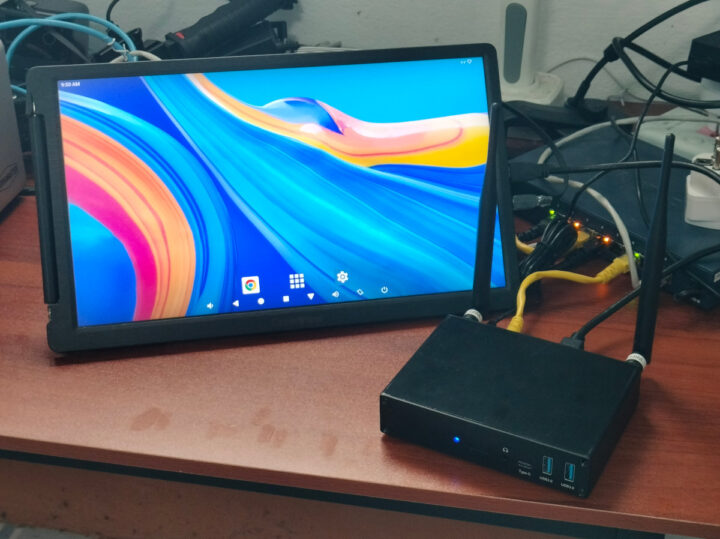
Rikomagic has sent me a sample of their DS08 digital signage player for review. It’s based on a Rockchip RK3588 SoC paired with 8GB of RAM and a 128GB eMMC flash, and offers two HDMI 2.1 ports, gigabit Ethernet, WiFi 6, and Bluetooth 5.2 connectivity, as well as several USB ports, optical S/PDIF audio output, and more. I was initially not sure I could receive a sample, as Thailand is pretty strict with licenses for this type of hardware, but Rikomagic told us that it would not be a problem when using DDP (delivered duty paid), and the courier handles all paperwork. And indeed we did receive the parcel without issue. Since Rockchip RK3588 is now a mature platform, we won’t run benchmarks in this review, but instead go through an unboxing and a teardown, and focus on digital signage features such as video playback, RTC support, and display orientation […]

The post Review of Rikomagic DS08 Android 13 digital signage player appeared first on CNX Software – Embedded Systems News.

Amazon Customers Commend $10 USB Recording Device as ‘Ideal’

In the current age of the gig economy, streaming video games online has turned into an enjoyable and, for some, lucrative endeavor. It serves as a means to share your interests or create a social platform while possibly earning some income, yet for many, the initial investment in equipment and software needed to establish a fairly professional setup can feel hard to justify. If you lack a sufficiently powerful PC, you will need to either purchase one or upgrade certain components, and you will probably require a camera and a suite of software as well. Arguably most crucial, you will need a capture card to record your screen, particularly if you intend to stream console games (or utilize your laptop as a monitor for your Xbox).

Fortunately, there is an option on Amazon from a brand called BENFEI that is not only receiving excellent feedback from users but is also available for a fair price of $10 at the time of writing (the listing indicates it’s discounted by 38% from its usual MSRP of $16). It is a user-friendly, plug-and-play card capable of capturing source footage from an HDMI input at 4K 30Hz and delivering output over USB at 1080p at a 60Hz refresh rate with audio up to 48 kHz.

A small card with great functionality

One of the BENFEI card’s benefits is its small size—it weighs just 0.03 kilograms, making it easy to fit into a pocket or bag if you intend to stream real-life footage or from an internet café or a friend’s place. It is versatile enough to support streaming from Nintendo Switch, PS4, PS5, and Xbox Series consoles, as well as Windows, Mac, Linux, and Android devices; anything with an extra HDMI port that you wish to utilize. It is also compatible with any camera that has the appropriate HDMI output.

Apple users should be aware that the iPhone is not supported, according to BENFEI, due to the absence of USB Video Class support for video output. It does work with iPadOS devices, although they must be updated to version 17 beforehand. For compatible devices, it does not require any technical know-how and can be put into action shortly after you open the box. There’s no driver installation necessary on the receiving PC, and the card functions with commonly used applications and workflows like OBS and XSplit. The built-in chip guarantees extremely low latency, vital for preventing screen artifacts, tearing, flickering, and other visual problems typical of slower streaming systems.

Why customers are satisfied

The primary reason Amazon shoppers are impressed with the BENFEI capture card is that it effectively delivers on its promises while asking for very little in return. With a low entry price, it offers all the essential features and quality needed to start streaming immediately, and its plug-and-play nature makes it suitable for complete beginners, enabling you to begin without dealing with a complicated installation process.

As stated in one Amazon review from a user aiming to stream from a Raspberry Pi to a PC via OBS, the card “was perfect for my needs and works flawlessly.” It also performed well for another user intending to transfer content from old VHS tapes using a VCR to a PC, which they managed to accomplish without any problems (although they mention that the converter requires a separate USB power source). The main limitation is that this remains a budget device, so it won’t substitute for high-end capture equipment with advanced features or broader ecosystem support. Nonetheless, it stands out as one of the few inexpensive Amazon gadgets that fulfills its advertised functionality at a fraction of the cost compared to its “premium” alternatives.