

Expect innovative camera features, robotic arms, and magnetic modules at MWC 2026.
With few exceptions, phones have become quite standard these days. Fortunately, many of those exceptions will debut shortly at the Mobile World Congress.
Although it may not hold the same prestige as in the past when companies like Samsung, Sony, LG, and HTC unveiled flagship models, MWC still hosts more phone launches than CES does two months earlier. It remains a significant event for Chinese manufacturers seeking a global presence and niche markets offering rugged devices or phones with long-lasting batteries.
The major event expected this year is Xiaomi’s launch on Saturday. Known for variety, Xiaomi hints at tablets, sleek power banks, earbuds, and smart trackers, but the main focus will be the Leitzphone. This collaboration with Leica adds a rotating camera ring to the Xiaomi 17 Ultra, allowing users to navigate through the continuous optical zoom. This unique camera feature may border on “gimmick” territory but provides something different.
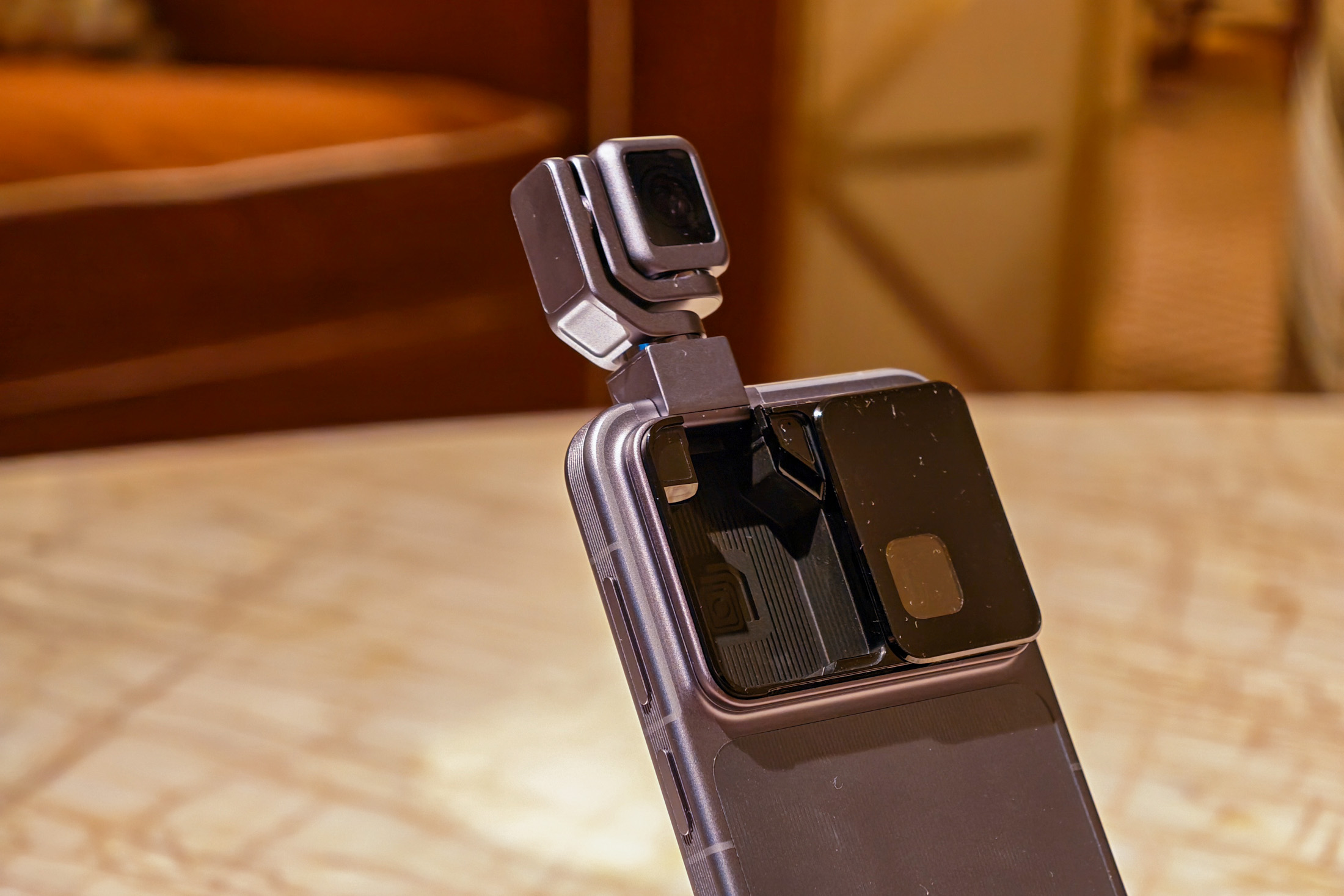
Following Xiaomi, Honor has an event planned for Sunday. The company has already revealed the ultra-thin MagicPad 4 and hinted at the thinnest next-gen foldable phone. More intriguing is the expected detailed look at the Robot Phone, initially teased last year and shown as a prototype at CES.
From what’s known, it’s mostly a phone rather than a robot, yet the fold-out gimbal-stabilized camera arm is novel. It combines smartphone features with a DJI Osmo Pocket style, suggesting AI capabilities and a charming, WALL-E-like character. Honor might also present its move into humanoid robotics, emphasizing its robotics credentials.
Beyond these highlights, anticipate additional reveals. Nothing is launching the Phone 4A series and over-ear headphones in March and will likely provide more teasers. Tecno plans to showcase a magnetic concept phone with attachable camera lenses, Vivo has hinted at revealing its camera-focused X300 Ultra flagship, and Lenovo, known for unique concepts, is also expected to make announcements.
This isn’t entirely new for MWC. Last year’s event was noted for its unique offerings, such as modular smartphone camera lens attachments, color-changing designs, and oversized smartphone speakers. Two years ago, there was the Samsung Galaxy Ring, a Motorola concept phone that could be worn around the wrist, and privacy tech from Samsung Display making its debut in the Galaxy S26 Ultra. The upcoming products are just a glimpse into MWC 2026’s potential for delivering unusual and intriguing tech as the mobile industry seeks to grab attention.
This competition becomes especially fierce when Apple intends to host its own announcements starting Monday, coinciding with MWC. As always with Apple, details are scarce, but new MacBooks and the iPhone 17E are heavily speculated. Competing with Apple’s attention requires taking risks.
Such bold announcements are often met with skepticism. Many available products are mere gimmicks, while prototypes often feel like marketing ploys. Recently, we’ve seen the Pixel 10A and Galaxy S26, both offering minimal upgrades. The iPhone 17E is unlikely to bring drastic changes either. As noted elsewhere, exciting hardware advancements are rare these days, but MWC promises plenty of them.