

Rare earth elements, although just a small part of the global metals market, play a significant role in geopolitics, with China using its dominance as leverage in trade disputes.
Countries like the U.S. are trying to reduce China’s influence by opening new mines and manufacturing magnets and motors. However, this effort has been slow since China’s dominance was built over decades.
Zach Detweiler, co-founder and CEO of Radify Metals, believes that one critical supply chain area remains neglected — converting metal oxides into pure metals. This “missing middle” is crucial, he told TechCrunch.
Traditional metal refining, which strips oxides of their oxygen using heat or water, is effective but highly polluting.
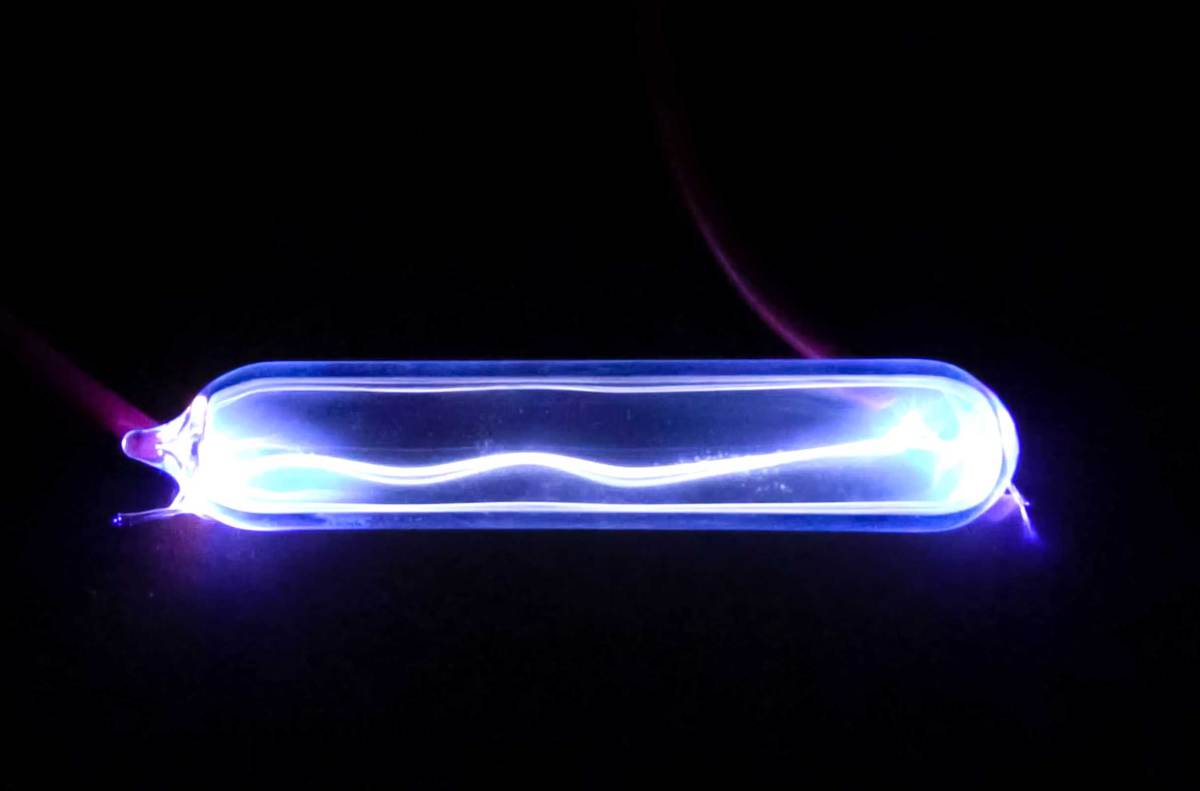
A less polluting method involving plasma — a superheated particle soup— has been known but was considered too costly for commercial use. This process only emits water vapor.
Radify claims it has solved the plasma problem with efficient power electronics and engineering. They demonstrated their technology to TechCrunch and have raised nearly $3 million from investors like Overture and Founders Inc.
Radify’s reactor can process various metal oxides, focusing currently on dysprosium and neodymium, essential for magnets and electronics.
Inside Radify’s reactor, hydrogen forms a plasma that reduces metal oxide powder, removing oxygen and producing pure metal. Adjusting the reactor’s settings allows the production of different metals.
This innovation enables smaller reactors than current industry standards, potentially lowering production costs and increasing flexibility.
Detweiler mentions that if China reduces dysprosium prices to challenge businesses, Radify can adapt by switching to other metals like titanium, enhancing resilience against market volatility.
Radify’s team of five is refining their technology in Campbell, California, aiming to produce kilograms of pure metal daily by year’s end. They plan to raise funds to build a pilot reactor producing up to 100 kilograms per day.
Success at a larger scale could make Radify competitive against Chinese producers. Currently, rare earths outside China are priced higher. Detweiler believes Radify can eventually achieve cost parity with Chinese rates.
Besides rare earths, they are also looking into other metals like hafnium, uranium, scandium, and more common ones like iron and aluminum. If efficiency improves, Radify could significantly change metal production, Detweiler stated.