
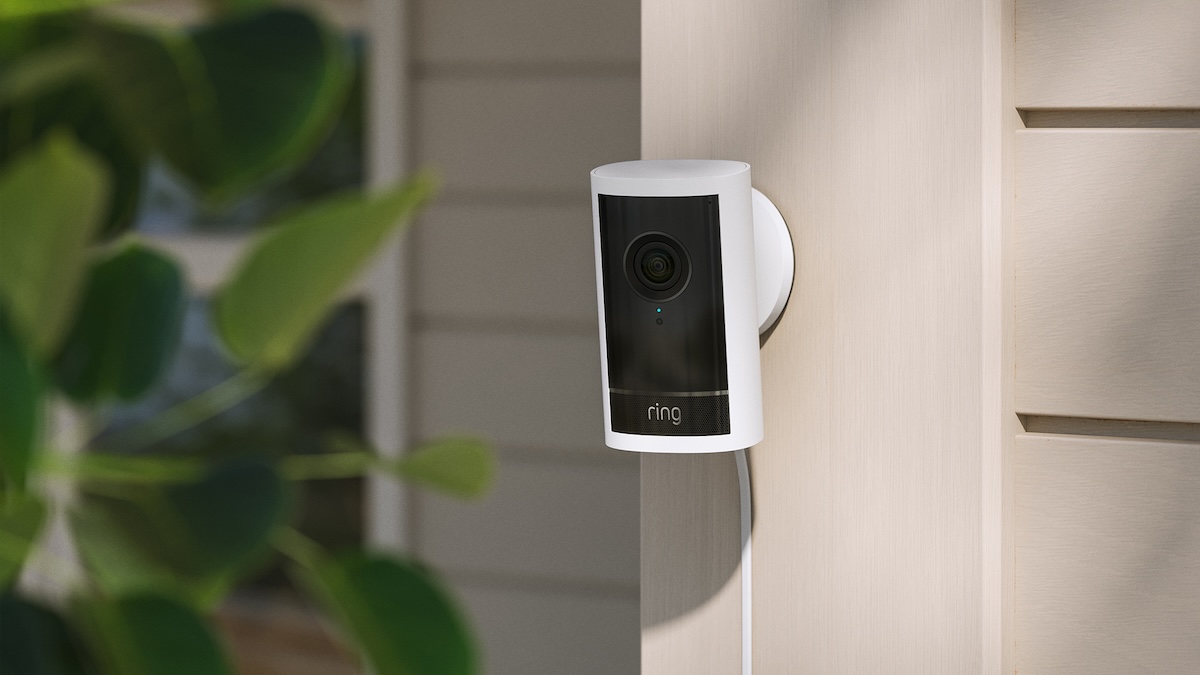

With over 100 million cameras deployed, Amazon’s Ring is leveraging its vast network by launching a new app store to expand its cameras’ functionality. Initially targeting elder care, workforce analytics, and rental management, the store will enable developers to access Ring’s ecosystem and connect with customers.
Debuting at the Consumer Electronics Show, the app store coincides with Ring’s expansion beyond residential smart doorbells and cameras to business-oriented systems. Advances in AI technology facilitate the store, as AI can interpret Ring’s real-world audio and visual data for specific user scenarios.
For example, a partner app by SoftBank-backed Density, called Routines, uses Ring cameras for elder care by allowing families to monitor loved ones and receive alerts for falls or changes in routines.
QueueFlow’s app offers businesses insights into wait times and congestion in queues at events, restaurants, and service desks. Minut provides Airbnb hosts with tools to monitor properties, integrating with sensors for noise and temperature tracking.
Ring founder and CEO Jamie Siminoff aims to expand the potential uses of Ring cameras beyond home security, citing AI’s role in unlocking new possibilities. However, restrictions will apply to prevent privacy invasions, responding to consumer concerns about surveillance technology.
Ring will not allow apps employing privacy-invasive features like facial recognition or license plate readers, Siminoff says, to ensure customer value and respond to market scrutiny.
Ring ended its partnership with Flock Safety, which supplied AI cameras to law enforcement, following customer backlash. Despite previously sharing data with police, Ring strives to avoid privacy issues with its app store.
The new app store will be available through the Ring app for iOS and Android, initially in the U.S., without using in-app purchase systems, avoiding commission payments to Apple or Google. Users will likely need to download partner apps separately.
This model builds an app ecosystem beyond traditional app stores, capitalizing on Ring’s iOS and Android distribution. The company will earn a 10% commission on sales directed to its partners but is open to varied business models, including free, ad-supported apps.
At launch, about 15 apps are available, with more in the pipeline. Developers can submit apps via Ring’s developer site. Current offerings include bird-identification, risk detection for fires and leaks, business alerts, lawn health monitoring, loitering detection, traffic monitoring, package delivery tracking, and Amazon’s Cheer Chime app.
Jamie Siminoff aims for hundreds of apps across diverse verticals by year-end.