

### Roblox Age Verification: A Fresh Requirement for Young Users
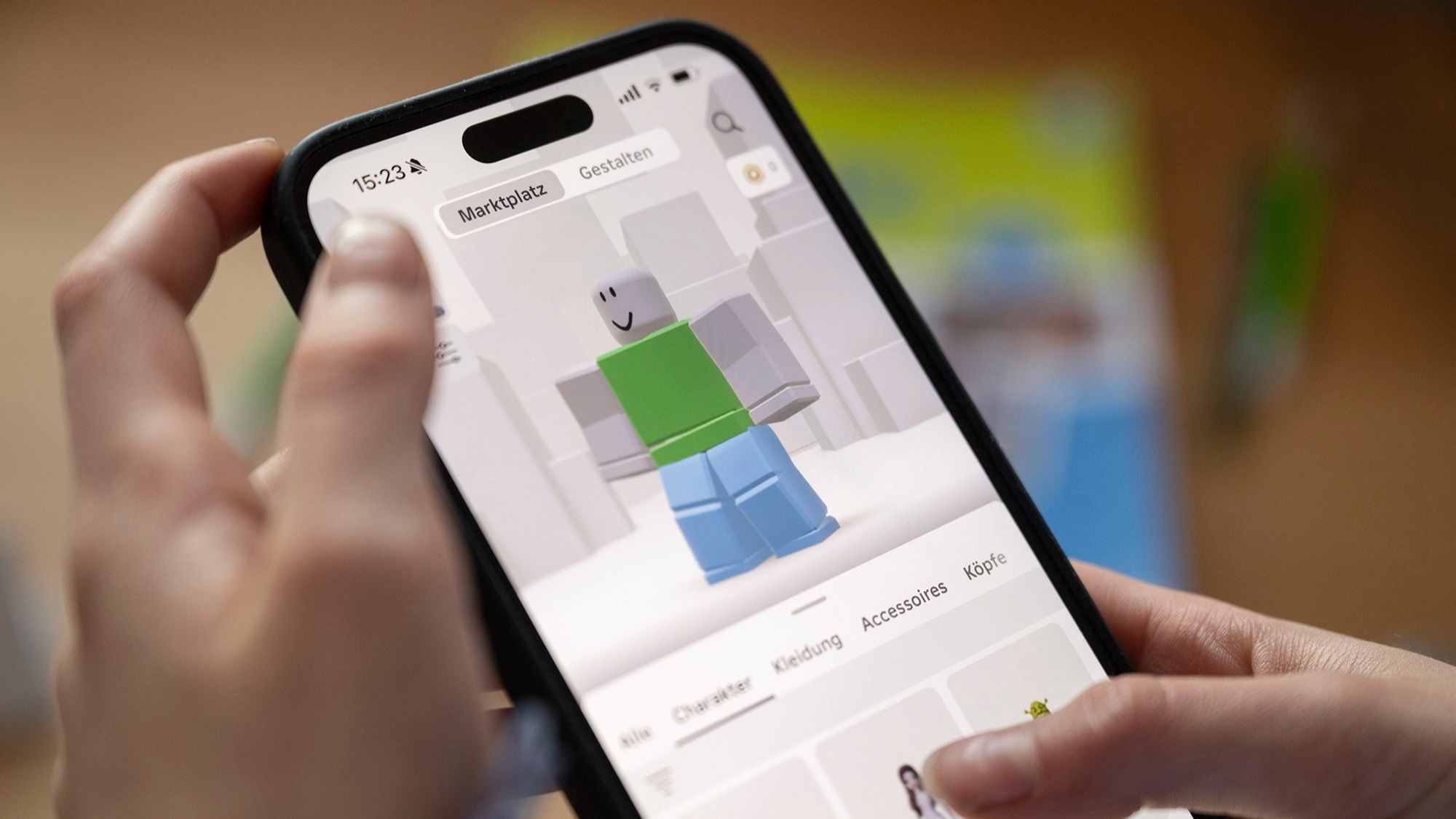
Roblox, a prominent platform in the gaming sector favored by children, has lately introduced a new age verification procedure necessitating users as young as nine years old to provide a video selfie. This effort, which follows a limited launch in November of last year, is now being scaled up globally. The organization seeks to improve safety protocols and reduce interactions between adults and minors within the game.
#### The Aim of Age Verification
The rollout of age verification is a response to rising apprehensions concerning the online safety of children. Roblox has received backlash for not sufficiently safeguarding its younger audience from potential dangers related to adult interactions. By mandating video selfies, Roblox plans to employ sophisticated technologies, including facial age estimation and ID verification, to generate a more precise evaluation of a user’s age in contrast to self-reported details during account setup.
The company has indicated that this verification procedure will assist in establishing age categories, enabling stricter controls on communication. Users will be sorted into six age brackets, from those nine years and younger to those 21 years and older. This classification aims to limit chat functionalities between users not within the same age range, thereby boosting the security of younger gamers.
#### Enforcement and Worldwide Expansion
Initially, the age verification policy is being applied in Australia, New Zealand, and the Netherlands, with ambitions for a worldwide launch by early next year. It is anticipated that most children will utilize the video selfie option for age verification, as numerous do not have government-issued photographic identification. Significantly, Roblox has promised users that the video selfies will be removed post-verification, addressing any potential privacy issues.
#### The Involvement of Tech Giants in Age Verification
The introduction of age verification by Roblox prompts broader discussions about who should be accountable for ensuring the safety of young users online. At present, the responsibility lies with individual app developers to authenticate the ages of their users. Nevertheless, there is a mounting argument that firms such as Apple and Google should assume this duty.
With escalating public demand and new legislation emerging, developers may be pressured to incorporate age verification protocols across various platforms. Opponents contend that permitting numerous developers to access sensitive data, such as photo IDs and video selfies, presents significant privacy threats. A centralized strategy, where tech giants oversee age verification, could simplify the process and improve user privacy.
#### Legislative Updates
At least nine U.S. states are contemplating legislation that would hold app store operators liable for age verification before granting access to age-restricted applications. This transition could encourage companies like Apple to reassess their position regarding age verification and possibly provide a more effective solution that prioritizes user privacy while ensuring the protection of children.
#### Summary
Roblox’s recent age verification requirement signifies a rising trend in the gaming sector aimed at boosting the safety of young users. While the initiative marks progress, it also underscores the necessity for a more all-encompassing approach to age verification that could ease privacy concerns and enhance user experience. As discussions about online safety advance, the involvement of major tech companies in protecting children will likely grow increasingly significant.