

Intellectual property theft remains essential to how these models operate.
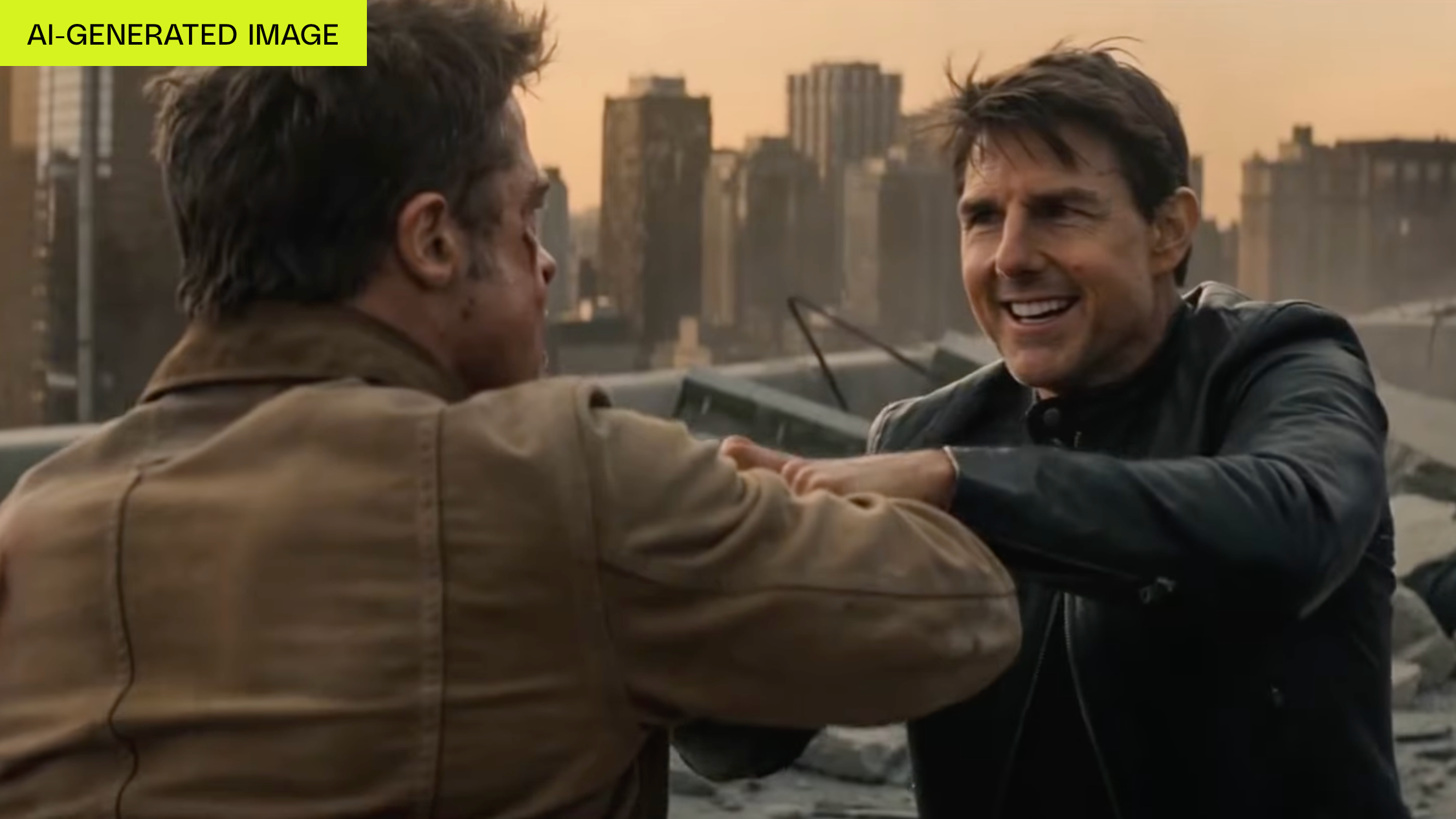
When Irish filmmaker Ruairi Robinson started posting clips made with Seedance 2.0, ByteDance’s latest video creation model, it was evident that the footage surpassed other generative AI outputs. The clips featured a digital replica of Tom Cruise engaging in fights with Brad Pitt, robots, and zombies, and exhibited intricate movements akin to choreography enhanced by dynamic camerawork.
Gen AI enthusiasts claim that traditional entertainment is outdated, and studios appeared worried about Seedance’s recent advancements as these fake-Cruise videos gained views online. The Motion Picture Association, Disney, Paramount, and Netflix sent cease and desist letters to ByteDance over copyright infringement allegations. In response, ByteDance stated it would enhance safeguards to prevent unauthorized use of intellectual property. However, ByteDance hasn’t released a Seedance version that restricts users from creating unauthorized footage.
Seedance 2.0’s launch seemed like a viral stunt, especially considering studios’ readiness to sue AI companies for IP theft. While Seedance’s outputs look superior to those from Sora, Veo, Runway, and others, its main draw is producing high-quality imitations, marking it as a sophisticated version of a “slop generator.”
The term “slop” often describes AI video aesthetics and presentation. Unlike traditionally crafted movies, AI-generated content emerges from processes lacking direct artistic intention. AI models generate content from simple inputs and extensive data but can’t always follow narrative nuances like a human team would.
Projects like Seedance 2.0 aim to replicate human creations but require substantial source material to build upon. ByteDance’s tolerance of IP infringement reveals Seedance’s similarities to its competitors, aside from its enhanced action sequences and sound design. Seedance’s status as a slop generator is evident in viral clips featuring celebrities and copyrighted characters but less apparent in works like Jia Zhangke’s Dance. The short, created with Seedance, features a debate on creativity between a filmmaker and his AI replica, showcasing AI’s image-generating abilities.
Jia Zhangke’s Dance exemplifies how filmmakers can produce decent AI content by navigating technological limits. The film’s brief shots are edited to mimic longer sequences, and AI mistakes are masked with foreground elements.
The film illustrates that many AI creators haven’t strived to make artworks capable of drawing audiences to cinemas or streaming platforms. ByteDance’s ability to recreate faces accurately might stem from questionable training data, leading the company to halt Seedance 2.0’s public API release.
For AI-generated video to shed its “slop” label, models must be proven capable of creating without exploiting others’ work. Studios like Asteria and companies like Adobe are addressing this with IP-safe models using licensed data. Until quality outputs emerge from these programs, the perception will remain of subpar content.