
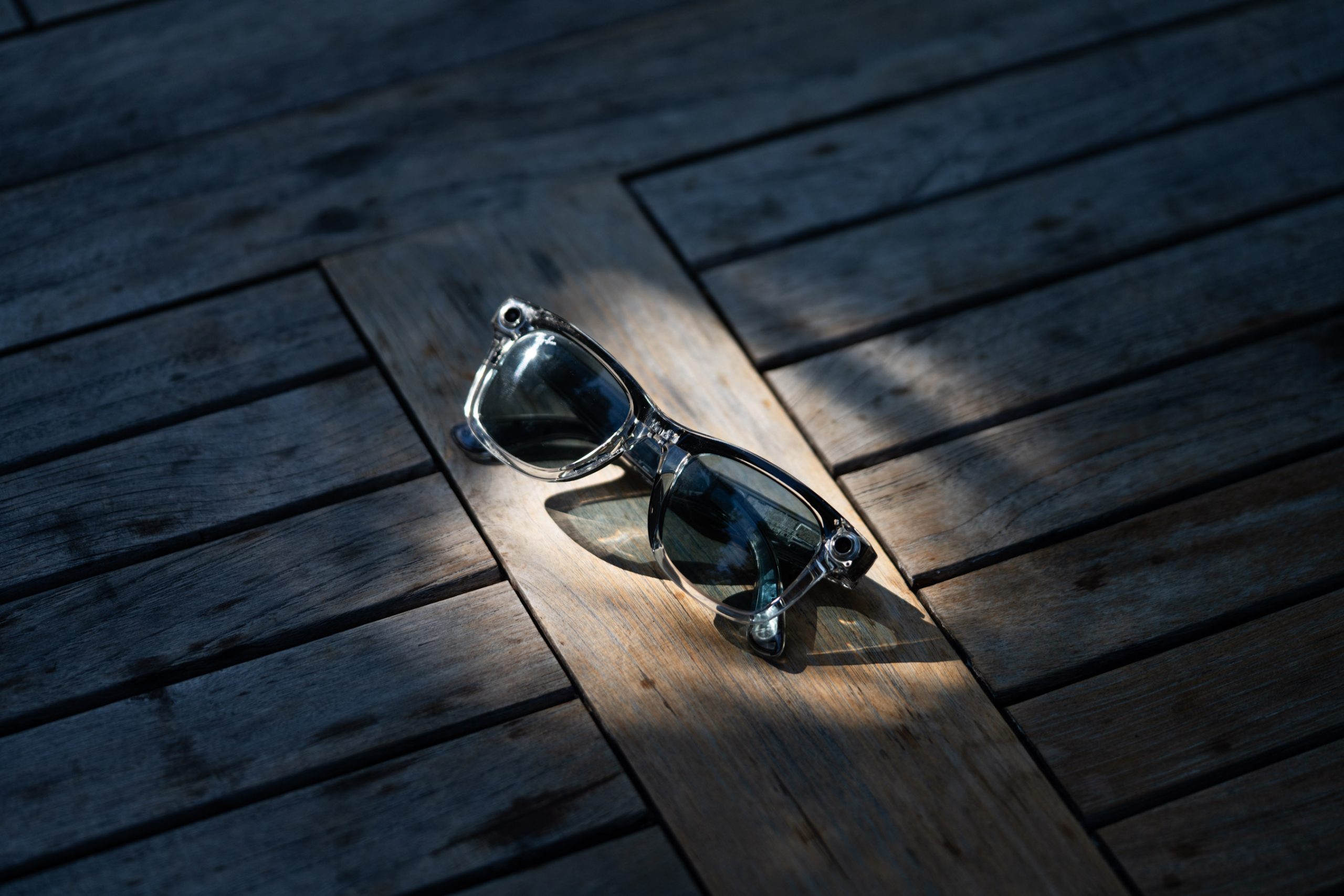

Mark Zuckerberg’s team reportedly did not let concerns deter them from wearing Meta’s Ray-Ban smart glasses. On Wednesday, upon arriving at a Los Angeles courthouse, they were seen donning the camera-equipped eyewear, prompting concerns from Judge Carolyn Kuhl. As reported by CNBC, Kuhl warned against recording with the glasses, stating, “If you have done that, you must delete that, or you will be held in contempt of the court.” She also ordered the removal of any AI smart glasses. Despite the warning, one person was still spotted wearing the glasses near jurors in a courthouse hallway, though they were reportedly not recording then.
Recording-capable glasses have raised alarms about privacy and surveillance concerns in multiple settings, including courtrooms. A Reddit user recently sought advice on addressing a plaintiff wearing the glasses in court. Moreover, jurisdictions like the US District Courts in Hawaii and Wisconsin have banned smart glasses, while Colorado’s District Court is considering a similar measure.
As these devices become more widespread, preventing unauthorized recordings in courts may become increasingly challenging. Although new, bans on recording devices in courtrooms are supported by longstanding legal precedent, such as the Federal Rule of Criminal Procedure 53 from 1946, which prohibits recording or broadcasting criminal proceedings. Variance in state laws regarding courtroom recordings further highlights the complexity of this issue.
The presence of recording devices might lead to intimidation or compromise privacy and security, particularly in cases involving minors. Glasses capable of unobtrusive recording, like Meta’s, may threaten courtroom privacy. Darío Maestro from the Surveillance Technology Oversight Project emphasized the importance of restricting such devices, underscoring their potential for covert recording.
While corrective lenses might make it challenging for some to remove smart glasses, the growing prevalence of these devices poses regulatory challenges. Meta sold 7 million pairs of smart glasses in 2025, attracting attention from competitors like Apple, which plans to release its smart glasses in 2027.
Despite having LED indicators for recording, these features can be disabled, making unauthorized recording possible, and Meta reportedly plans to introduce facial recognition to their glasses. Judge Kuhl’s decision to prohibit recording with smart glasses reflects the precautionary measures courts are taking. Alan Butler from the Electronic Privacy Information Center affirmed that judges typically maintain stringent control over courtroom devices to prevent unauthorized recordings, suggesting that such precautions will continue to be essential.