
Xoople, a geospatial data company based in Madrid and founded in 2019, has secured $130 million in Series B funding led by Nazca Capital, raising its total funding to $225 million and elevating its valuation to unicorn status. Co-investors include MCH Private Equity, CDTI, Buenavista Equity Partners, and Endeavor Catalyst. Xoople has also announced a collaboration with US space and defense contractor L3Harris Technologies to develop sensors for its satellite constellation, aiming to deliver Earth surface data significantly superior to current systems. The EarthAI platform, hosted on Microsoft Azure and distributed through Microsoft and Esri, offers continuous surface intelligence for sectors such as insurance, agriculture, government, and infrastructure. After seven years, Xoople presents a continuous AI-native data layer for Earth’s surface, diverging from traditional satellite imagery workflows. CEO Fabrizio Pirondini confirmed to TechCrunch that the investment positions the company in unicorn valuation. EarthAI processes continuous surface data for applications like risk prediction and environmental monitoring, emphasizing a persistent data view. The funding will transition Xoople from relying on external data to developing its own sensors via the L3Harris partnership, claiming improved data quality. Competing in a market with established players like Vantor, Planet Labs, and others, Xoople’s future proprietary data supply is poised as its next phase. Unlike competitors, Xoople prioritized platform embedding within Microsoft and Esri over hardware development. It anticipates leveraging upcoming proprietary data for competitive distribution. Xoople’s funding round, one of Spain’s largest recent deep tech investments, reflects broader European aerospace and defense investment trends. The earth observation market is expected to grow, driven by increasing demands for AI-driven Earth surface intelligence.
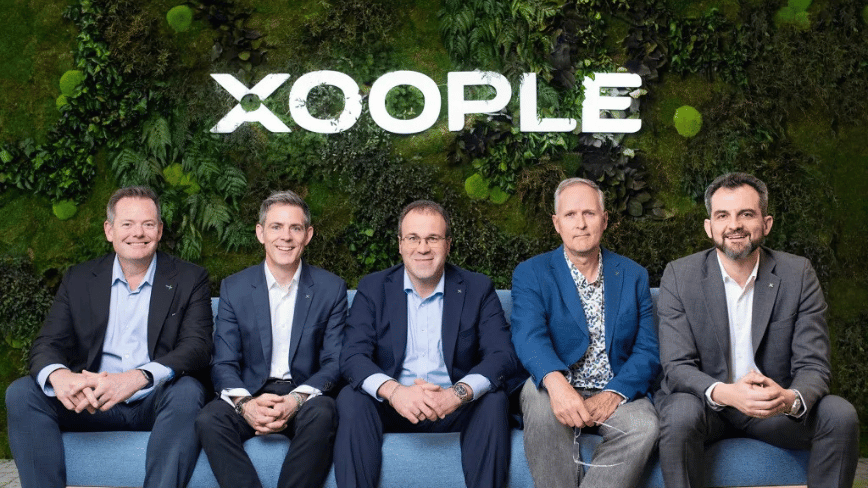
Spain’s Xoople raises $130 million to build the data infrastructure AI needs to understand Earth

2 Min Read