

The atmosphere was different at this year’s SXSW, the annual festival where tech and pop culture converge in Austin. It reminded me of 2019’s event, marked by crowded downtown areas and bustling local ventures.
Attendees noted the familiar feeling, though my local friend acknowledged changes. The festival is now two days shorter, and the Austin Convention Center’s demolition led to a “decentralized” setting, dispersing events throughout downtown. This reduced the overwhelming atmosphere but also lessened connectivity.
The event is still recovering from the pandemic, during which it laid off staff and endured two years of financial inactivity. Ownership has changed, and a new strategy is in place as of this year.
Greg Rosenbaum, SXSW’s SVP of programming, described the 40th-anniversary conference as its most “ambitious reinvention.” He highlighted new Clubhouses, designed for recharging, networking, and special programming, drawing 5,000 daily visitors. Attendees experienced more of Austin’s downtown community.
Tech founders still find the conference valuable, offering the advice that you get what you give.
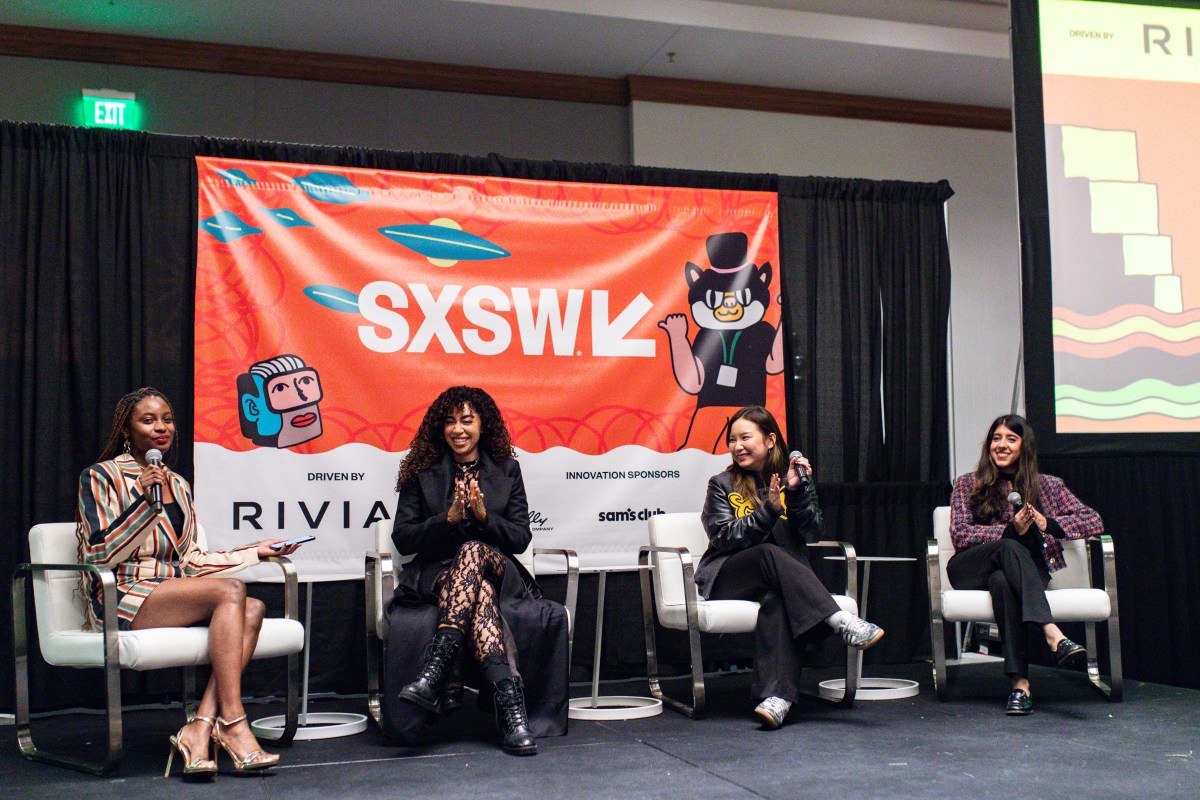
Notable attendees included Grammy-nominated Lola Young, Vox hosted a party, Boots Riley premiered a new film, and keynotes featured Serena Williams and Steven Spielberg. I moderated a panel on AI and taboo topics, which went well in my view.
Ashley Tryner-Dolce, an investor and founder, described the conference as an “incredible gathering of ideas,” finding the most meaningful experiences at side events like INC’s Founder House party.
For Ashley Tryner-Dolce, the focus was less on the main stage and more on personal connections. James Norman of Black Ops VC, without a proper badge, hosted an event to connect founders with opportunities and attended screenings and dinners.
Jonathan Sperber, a founder in the SXSW pitch competition, emphasized that value depends on preparation, including pre-arranged meetings and strategic planning. He found it effective for networking with large enterprises and key stakeholders.
Rumors of SXSW’s decline persist, yet the festival continues to attract fresh participants. Simon Davis, a first-time attendee, saw it as a media conference with a tech angle, praising its diversity compared to other tech events.
The new badging system diversified experiences. Conversations focused more on AI and technology than music, with more tech panels than music showcases or film events.
The festival removed secondary access, limiting attendees to specific badge tracks without an all-in-one premium option. A reservation system was also introduced to manage event access, even for platinum badge holders like Sperber.
The decentralized setup complicated navigation, reducing the festival’s openness. Rosenbaum cited feedback about streamlining badge benefits and pricing. Reservations will return next year, adjusted based on feedback.
Norman described the event as an unconference, offering more flexibility for movement and networking. Rodney Williams of SoLo Funds noted a shift towards investor interaction and experiential marketing, with companies with big budgets benefiting the most.
Adweek reported fewer spectacles and big tech advertisers, correlating with Williams’ observations of advertising as a high-budget endeavor. Emerging tech companies face challenges standing out without significant marketing investment.
Nevertheless, Williams organized a party, and around 300,000 attendees were expected, revealing the conference’s enduring appeal. “I always enjoy it and make the most out of it,” Williams concluded.