macOS 26.4 to Notify Users Regarding the Ending of Rosetta 2

**Apple Phases Out Rosetta 2: Moving Away from Intel Applications**

In June at WWDC25, Apple unveiled major updates concerning its Rosetta 2 software, which has been essential for operating Intel-based applications on Macs with Apple silicon. The firm announced that support for Rosetta 2 will cease following the launch of macOS 27. As a result, Apple will start alerting users about applications that will shortly be incompatible with upcoming macOS versions.

Rosetta 2 was launched at WWDC20 during the announcement of Apple’s shift to its own silicon architecture. This translation layer allowed users to operate applications created for Intel-based Macs on the new Apple silicon devices. However, akin to the earlier transition from PowerPC to Intel, Rosetta 2 was always meant to be a temporary fix.

At WWDC25, Apple assured that Rosetta 2 would be completely supported until macOS 27. After this iteration, the capabilities of Rosetta 2 will be considerably diminished, although a portion will persist to assist older, unmaintained gaming titles that rely on Intel-centric frameworks.

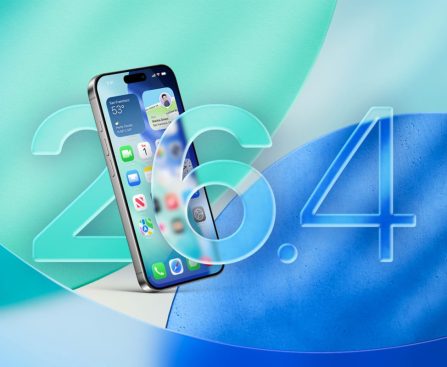
With the rollout of macOS 26.4 beta 1, users will begin receiving alerts when they try to open applications that need Rosetta 2, signaling that these apps will be phased out soon. This proactive warning system aims to motivate users to look for updated versions of their applications that are natively compatible with Apple silicon.

The expected launch of macOS 28 is slated for the fall of 2027, giving users sufficient time to transition their applications. The notifications act as a prompt for developers to refresh their apps to guarantee compatibility with Apple’s new architecture.

It’s also noteworthy that macOS 26 will be the last release for Intel-based Mac models. After that, Apple has pledged to deliver security updates for Intel Macs for three more years.

As the tech landscape advances, both users and developers must adjust to these changes to maintain functionality and security within the Apple ecosystem.

iOS 26.4 Beta Unveils ‘Playlist Playground’ AI Function for Apple Music

### Apple Intelligence in Apple Music: Introducing Playlist Playground

Apple has unveiled the initial beta of iOS 26.4 for developers, introducing an exciting feature in Apple Music called “Playlist Playground.” This innovative capability utilizes Apple Intelligence to elevate the music listening experience by enabling users to craft playlists based on text descriptions.

#### What is Playlist Playground?

Playlist Playground is currently in beta and is accessible via the Apple Music app. Users will notice a new playlist icon positioned in the upper-right corner of the “Library” page. By tapping this icon, users can input a text prompt that outlines the playlist they wish to create. For example, one could type “energetic tracks for working out” or “soothing tunes for studying,” and Apple Music will produce a playlist customized to that request.

Aside from custom prompts, Playlist Playground offers built-in suggestions under “New Playlist Ideas,” giving users inspiration for their playlists. Once a playlist is generated, users can choose to add it to their Apple Music library. They also have the ability to manually tweak the playlist by adding or removing songs and rearranging the order of tracks as desired.

#### Iterative Playlist Creation

A notable feature of Playlist Playground is its iterative functionality. After creating a playlist, users can further refine it by inputting additional prompts without having to restart the entire process. This enables a more dynamic and personalized playlist creation experience.

#### Accessing Playlist Playground

If users do not observe the new Playlist Playground option in the Music app post-update to iOS 26.4, it may be because the new Apple Intelligence models are still downloading. Users can check this by going to the Settings app and selecting the “Apple Intelligence & Siri” menu.

#### Availability

At present, iOS 26.4 is available to developer beta testers, with a public beta set to be released in the upcoming weeks. This new feature aims to enhance the way users engage with their music, making it simpler and more enjoyable to discover and curate personalized playlists.

As Apple continues to drive innovation within its ecosystem, Playlist Playground signifies a crucial advancement towards incorporating artificial intelligence into everyday applications, providing users with a distinctive and tailored music experience.

iOS 26.4 Beta 1 Brings New Enhancements for iPhone Users

# iOS 26.4 Beta 1: New Features and Updates

iOS 26.4 beta 1 is now accessible to developers, offering a multitude of new features and improvements for iPhone users. This update introduces noteworthy changes to the Music app, Messages, Apple Podcasts, and more. Here’s an in-depth overview of what’s new in this beta release.

## iOS 26.4 Beta Details

The iOS 26.4 beta is currently open for testing by developers, with a build number of 23E5207q. Developers can update their devices by going to the Settings app, selecting General, and then opting for Software Update. A public beta is anticipated to launch in the upcoming weeks.

## What’s New in iOS 26.4 Beta 1?

### Messages

One of the prominent features in iOS 26.4 beta 1 is the capability to test encrypted RCS messaging. This feature currently facilitates iPhone-to-iPhone communication for RCS testing.

### Apple Podcasts

The Apple Podcasts app has undergone substantial upgrades, including enhanced “advanced video podcast capabilities.” Users can now effortlessly switch between video and audio podcasts, with functionalities driven by Apple’s HLS technology that adjusts quality based on network conditions. Furthermore, dynamic video advertisements are now supported.

### Apple Music

iOS 26.4 brings several improvements to the Apple Music app. Users will observe new full-screen artwork for selected albums and playlists, enhancing the visual experience. The update also introduces features for discovering nearby concerts and tour dates for artists within the user’s library. The “Profile” section has been revamped for easier access to common tasks.

### Playlist Playground

A new functionality named Playlist Playground enables users to generate playlists based on text descriptions or preselected prompts, utilizing Apple Intelligence for a customized music experience.

### Wallpaper Gallery

The Wallpaper Gallery has been restructured for enhanced usability, featuring a more streamlined interface and quicker response times. This update reflects a similar design strategy applied to the Apple Watch face gallery.

### Reminders

The Reminders app now features a Smart List for tasks categorized as “Urgent.” This builds upon the Urgent setting introduced in iOS 26.2, which sets alarms for pressing tasks.

### New Home Screen Widget

A new Home Screen widget facilitates quick access to ambient music playlists in Apple Music, improving user convenience.

### Stolen Device Protection

Stolen Device Protection is now enabled by default in iOS 26.4. This feature mandates biometric authentication when the device is away from trusted locations and incorporates a time delay for a second biometric authentication for sensitive actions.

### App Store

In the App Store, the search bar has been moved to the top of the search tab, which is now merged into the navigation bar at the bottom, enhancing accessibility.

## More Changes

As the beta evolves, more features and changes may be unveiled. Users are encouraged to report any new discoveries.

## Wrap Up

iOS 26.4 beta 1 presents a range of exciting features designed to elevate user experience across various apps. As further updates roll out, users will be updated on any new advancements.

macOS Tahoe 26.4 and iPadOS 26.4 Launch Compact Tab Bar Functionality in Safari

**Safari’s Slim Tab Bar Makes a Comeback on Mac and iPad**

With the release of macOS Tahoe and iPadOS 26 last fall, Apple discontinued an optional Safari layout: the slim tab bar. Now, this feature is reintroduced in macOS 26.4 and iPadOS 26.4 beta 1.

Have you been longing for the slim tab bar on your Mac or iPad? It’s rare for Apple to completely eliminate a Safari feature that has been around for some time, but that’s precisely what occurred with macOS Tahoe and iPadOS 26. The Liquid Glass redesign and the emphasis on other features may have caused the slim tab bar to be omitted from the initial iterations of macOS and iPadOS 26. Thankfully, it appears the feedback from dissatisfied users was heard by Apple.

The beta 1 versions of macOS 26.4 and iPadOS 26.4 today bring back the slim tab bar option. Accessible within the System Settings app on Mac, and Settings on iPad, users can now opt to shrink the Safari tab bar into a single row that includes the address bar, current tabs, and more.

While some users might favor the ‘Separate Tab Bar’ option, many are pleased to see the slim design return for Mac and iPad users. Did you miss the slim tab bar in Safari? Share your thoughts in the comments.

Apple Charges Brazilian Banks with Taking Advantage of NFC Investigation for Unjust Benefit

### Apple Responds to Brazil’s NFC Demands

In a recent communication with Brazil’s competition authority, Apple has reaffirmed its stance against demands for greater access to the iPhone’s Near Field Communication (NFC) technology. This reply follows a request from Brazil’s central bank and the banking association Febraban, which sought to investigate whether Apple was unjustly limiting third-party payment providers’ access to NFC functionalities relative to its own offerings.

#### Background of the Inquiry

The investigation was prompted by worries over Apple’s market behavior in Brazil, where it maintains around 10% of the smartphone market. Apple argues that third-party developers have been able to use the iPhone’s NFC technology since 2024 and maintains that the Brazilian market is sufficiently equipped with various payment methods. According to Apple, its payment solution, Apple Pay, does not negatively affect consumers or block competitors, and there exists no Brazilian legislation forbidding Apple from charging for its services.

#### The Significance of PIX

Apple’s claim regarding the Brazilian market’s ample payment solutions emphasizes the importance of PIX, a local payment system introduced in 2020 that has rapidly become the preferred method in the nation. The Brazilian central bank launched a contactless protocol for PIX last year, which Apple has chosen not to implement, arguing that it is not an essential feature for Brazilian users who primarily process PIX payments through QR codes.

#### Apple’s Latest Position

In a subsequent communication to CADE, Apple upheld its stance, stating that third-party banks and payment entities are attempting to leverage Apple’s proprietary technology without rewarding the investments made in research and development. Apple’s legal representatives stressed that these entities are pursuing an NFC access model that could complicate user experience by necessitating consumers to choose a payment method each time they intend to use a different card, unlike the streamlined experience provided by Apple Pay and Apple Wallet.

This statement followed a meeting between Apple officials and Banco Central’s director of regulation, Gilneu Francisco Astolfi Vivan, intended to discuss regulatory issues.

### Conclusion

Apple’s resistance to Brazil’s NFC access demands highlights the persistent friction between tech firms and regulatory entities regarding market operations and consumer accessibility. As the digital payments landscape continues to change, the results of this inquiry may have considerable repercussions for both Apple and the wider payment ecosystem in Brazil.

Opera Unveils Eccentric Website to Celebrate 30th Anniversary of Its Browser

**A Time Machine for the Internet’s Most Memorable and Quirky Moments: Discovering Opera’s Web Rewind**

From the era of dial-up to the age of AI-enhanced surfing, Opera’s engaging experience guides users through significant landmarks that contributed to shaping the internet over the last thirty years. If you’re accessing this on your iPhone, you may want to switch to a computer for a better experience. Opera’s [Web Rewind](https://web-rewind.com/) is an enjoyable new platform that resembles a nostalgic trip to the Flash days, filled with animations and interactive keyboard features.

You engage with the site by pressing or tapping the space bar, depending on which of its 31 artifacts you are examining. These encompass dial-up (complete with modem connection sounds), early email moments featuring AOL’s ‘you’ve got mail’ and chain emails, the inception of Google, peer-to-peer file sharing, MySpace, and much more.

Additionally, Opera is hosting a contest where you can submit your favorite memory from the past thirty years of the web, which might earn you a trip to Switzerland, where you’ll tour CERN, or what Opera describes as “the cradle of the web.”

In summary, Opera’s [Web Rewind](https://web-rewind.com/) serves as a nostalgic journey, as it brings back a version of the internet that is seldom experienced today. Whether you witnessed all, most, or just a few of the past thirty years, you’re likely to enjoy exploring it.

visionOS 26.4 Unveils Innovative Foveated Streaming Functionality for Apps and Games

**visionOS 26.4 Beta 1: Unlocking Foveated Streaming for Enhanced Experiences**

Apple has unveiled visionOS 26.4 beta 1, bringing important advancements for Apple Vision Pro users. One of the standout features is the introduction of foveated streaming, a technology designed to elevate the immersive quality of apps and games.

### What is Foveated Streaming?

Foveated streaming is a method that maximizes the performance of virtual environments by concentrating on the user’s gaze. As highlighted in Apple’s official release notes, visionOS 26.4 offers support for NVIDIA CloudXR with foveated streaming, enabling applications to provide high-resolution, low-latency content targeted specifically at the user’s focal point. This approach ensures that only the sections in the user’s direct line of sight are rendered in fine detail, while surrounding areas can be presented at reduced resolutions, thus saving processing power and bandwidth.

### Benefits for Developers and Users

Foveated streaming presents developers with a new framework to stream existing virtual reality applications crafted for desktop computers or cloud servers directly to the Apple Vision Pro. This functionality allows developers to design more immersive experiences without straining the device’s processing capabilities. For example, a racing game might employ RealityKit to depict intricate gauges inside the car while simultaneously streaming the more resource-intensive outdoor scene from a remote server.

Apple also mentions additional scenarios, such as flight simulator applications that can display a cockpit in high fidelity while streaming vast landscapes. This combination of native spatial content with streamed data expands the potential for creating immersive experiences.

### Potential Impact on Existing Apps

It is still unclear whether any of Apple’s native visionOS apps currently make use of foveated streaming, but the launch of this feature is anticipated to motivate developers to implement best practices in their applications. The expectation is that this technology will not only improve new applications but also invigorate existing ones by facilitating more complex and visually compelling experiences.

### Conclusion

The inclusion of foveated streaming in visionOS 26.4 beta 1 represents a major advancement for the Apple Vision Pro, boosting the potential for immersive applications and games. As developers experiment with this new feature, users can anticipate richer, more captivating experiences that harness the capabilities of cloud computing and sophisticated rendering technologies.

New F1 Channel Debuts on Apple TV App Ahead of Season Start

**Apple TV Unveils Dedicated Formula 1 Channel**

The Apple TV app has rolled out a specific channel for Formula 1, now available for users in the United States starting today. This new addition enables subscribers to effortlessly access Formula 1 content alongside the current Apple TV originals and MLS tabs found in the app’s sidebar.

Subscribers can watch all Formula 1 races, kicking off with the Melbourne Grand Prix on March 8. Importantly, Formula 1 is part of the standard Apple TV subscription, which is priced at $12.99 per month or $99 annually.

For users accessing the app on various devices, the dedicated Formula 1 area can be located in the sidebar on living room versions of the app, as a quick link in the header on tv.apple.com, and through a shortcut in the Search tab on iPhone. The Formula 1 channel will provide quick links to both past and future race sessions, along with additional content. Currently, it features clips from historic races at the Albert Park circuit to enhance anticipation for the upcoming Grand Prix.

The channel also highlights the weekend itinerary, specifying the timings for practice, qualifying, and the Grand Prix for the season opener. Apple TV app users can enjoy the sport for free, as all practice sessions throughout the season will be broadcast at no charge. Moreover, select race weekends will be accessible for viewing without a subscription.

To watch all 24 races during the 2026 season, an Apple TV subscription will be necessary. This can be purchased directly, through the Apple One bundle, as a complimentary benefit of the Apple Music Student Plan, or via carrier bundle promotions. An Apple TV subscription also offers access to the F1.TV premium package at no additional cost, which can be accessed through the F1.TV app and website.

Further information regarding Apple-specific F1 production advancements is anticipated in the coming weeks, prior to the first race. This launch signifies the start of a five-year collaboration between Apple and Formula 1 in the United States, with the possibility of similar broadcasting agreements in other international markets if successful.

9to5Mac Daily: February 16, 2026 – Anticipated Launch of New Apple Devices

**9to5Mac Daily: Your Destination for Daily Apple News and Insights**

Navigating the rapid evolution of technology requires staying informed about the latest news and trends, particularly for Apple fans. 9to5Mac Daily acts as a trustworthy hub for daily summaries of the most important narratives related to Apple and its ecosystem. This educational podcast caters to listeners eager to keep abreast of Apple advancements.

**What is 9to5Mac Daily?**

9to5Mac Daily is a podcast that delivers a brief overview of the day’s leading stories, with an emphasis on Apple news. New episodes are produced every weekday, ensuring that subscribers get prompt updates on the latest events in the tech sector. The podcast can be found on various platforms, including [iTunes](https://podcasts.apple.com/us/podcast/9to5mac-daily/id1331816080), [Stitcher](https://www.stitcher.com/podcast/9to5mac-daily), [TuneIn](https://tunein.com/radio/9to5Mac-Daily-p1089524/), [Google Play](https://play.google.com/music/m/I5d4dzs7dauazmfxvvrynyiuram?t=9to5Mac_Daily), and via a specialized [RSS feed](https://feedpress.me/9to5macdaily) for different podcast applications.

**Why Listen to 9to5Mac Daily?**

Listeners can look forward to a comprehensive summary of the most urgent issues within the Apple community. The podcast addresses a variety of topics, including product announcements, software updates, and industry insights. This makes it an indispensable tool for anyone fascinated by Apple technology.

**Exclusive Content and Benefits**

For those aiming to elevate their listening journey, subscribing to 9to5Mac Daily Plus provides added advantages. Subscribers receive access to episodes free of ads and bonus material, creating a more engaging experience without interruptions.

**Engagement and Community**

9to5Mac Daily promotes listener involvement through feedback and reviews. Listeners are encouraged to convey their opinions via email at [[email protected]](mailto:[email protected]) or leave reviews on platforms like [Apple Podcasts](https://geo.itunes.apple.com/us/podcast/id1331816080?at=10laZc&pt=11l8808) and [Overcast](https://geo.itunes.apple.com/us/app/overcast/id888422857?mt=8&at=10laZc&pt=11l8808). This participation helps cultivate a community of Apple devotees who share a love for technology.

**Conclusion**

9to5Mac Daily shines as a leading source for Apple news, providing listeners with a swift and informative way to remain informed. With its steady release schedule and captivating content, the podcast is essential for anyone interested in the latest trends within the Apple ecosystem. Whether you’re a casual user or a tech expert, 9to5Mac Daily is your primary resource for daily Apple insights.

macOS 26.4 Brings Battery Charging Limit Functionality and Shortcuts for Mac Users

# Charge Limit on Mac: Enhancing Battery Health

The Charge Limit function, which allows individuals to establish a maximum charge level for their devices, represents a notable improvement in battery management. Originally available solely on iPhone and iPad, this function has now been made available to Mac users with the launch of macOS 26.4.

## Understanding Charge Limit

Charge Limit permits users to define a maximum charge level, aiding in prolonging battery lifespan by lessening the pressure of charging to 100%. Initially, the threshold was fixed at 80%, but with the advent of iOS 18, users can now select options between 80% and 100%. This adaptability is especially advantageous for users who may not require their devices to be fully charged at all times.

When the Charge Limit is turned on, the device will cease charging just before the set limit, thus reducing battery degradation. Nevertheless, Apple indicates that occasionally the device may charge to 100% to preserve precise battery state-of-charge assessments.

## How to Enable Charge Limit on Mac

To activate the Charge Limit function on your Mac, adhere to these instructions:

1. Open **Settings**.
2. Go to the **Battery** section.
3. Tap the “info” icon next to “Charging” to choose your preferred charge limit.

This straightforward procedure empowers users to effectively manage their battery health.

## Charge Limit in Shortcuts

Alongside manual configurations, the latest iOS 26.4 and macOS 26.4 betas incorporate the functionality to automate the Charge Limit feature via the Shortcuts app. This allows users to create routines that automatically modify the charge limit based on their usage habits, improving ease and battery management.

## Conclusion

The Charge Limit function is a fantastic tool for users aimed at prolonging their battery health, particularly for those who often utilize their devices while connected to power, like MacBook users at desk setups. By regulating charging levels, users can ensure their batteries stay healthy over time. As this function gains more widespread acceptance, it will be intriguing to observe how users integrate it into their daily activities.