
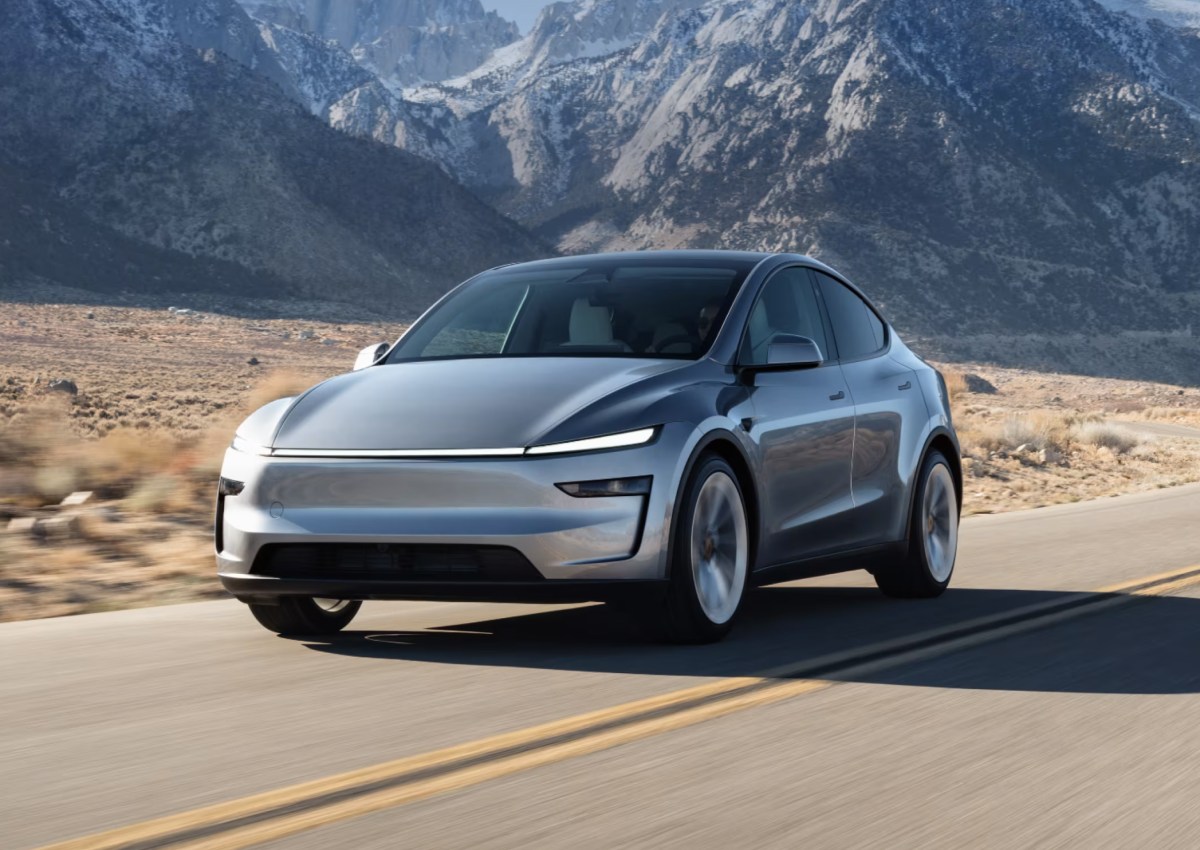

Tesla had long promised more affordable models, and last October introduced basic versions of the Model Y and Model 3 for $39,990 and $36,990. However, these haven’t significantly impacted overall sales, as shown by this year’s first-quarter figures. Tesla reported delivering 358,023 EVs globally, below the expected 368,000, with production reaching 408,386.
This represents only a 6% increase in deliveries from Q1 2025, which had been affected by production shutdowns, indicating minimal improvement. Tesla, formerly aiming for 50% annual EV growth, now risks a third consecutive year of declining sales and profits.
Tesla isn’t alone in struggling with EV sales in the US; many traditional manufacturers have reduced or canceled their EV plans. Rivian reported shipping just over 10,000 vehicles in Q1, consistent with prior quarters. Rivian is anticipating a sales boost from its upcoming R2 SUV, despite its $45,000 base model not arriving until late 2027.
Tesla lacks a new mass-market model, having abandoned its $25,000 EV project for the “CyberCab” and developed stripped-down versions of existing models instead. The Cybertruck is their only recent release, outselling other all-electric trucks but failing to meet expectations. Tesla’s Q1 sales of 16,130 units, including the Cybertruck and retired Model S and X, were disappointing.