

The Artemis II mission represents a pivotal moment in the realm of space exploration, especially with the incorporation of smartphones into the astronaut equipment. Every crew member’s spacesuit has a pocket that holds an iPhone 17 Pro Max, a first for long-duration space journeys. This advancement necessitated extensive safety testing to mitigate potential risks, such as loose objects floating in the cabin or the chance of a cracked screen.
Smartphones have never been sanctioned for prolonged use in space before, marking this as a revolutionary advancement. The approval process for the iPhone entailed comprehensive assessments to ascertain the safety and operability of the devices within the distinct conditions of space. The addition of these smartphones enables astronauts to document unique viewpoints of their journey, including selfies that can help to make the experience more relatable for those on Earth.
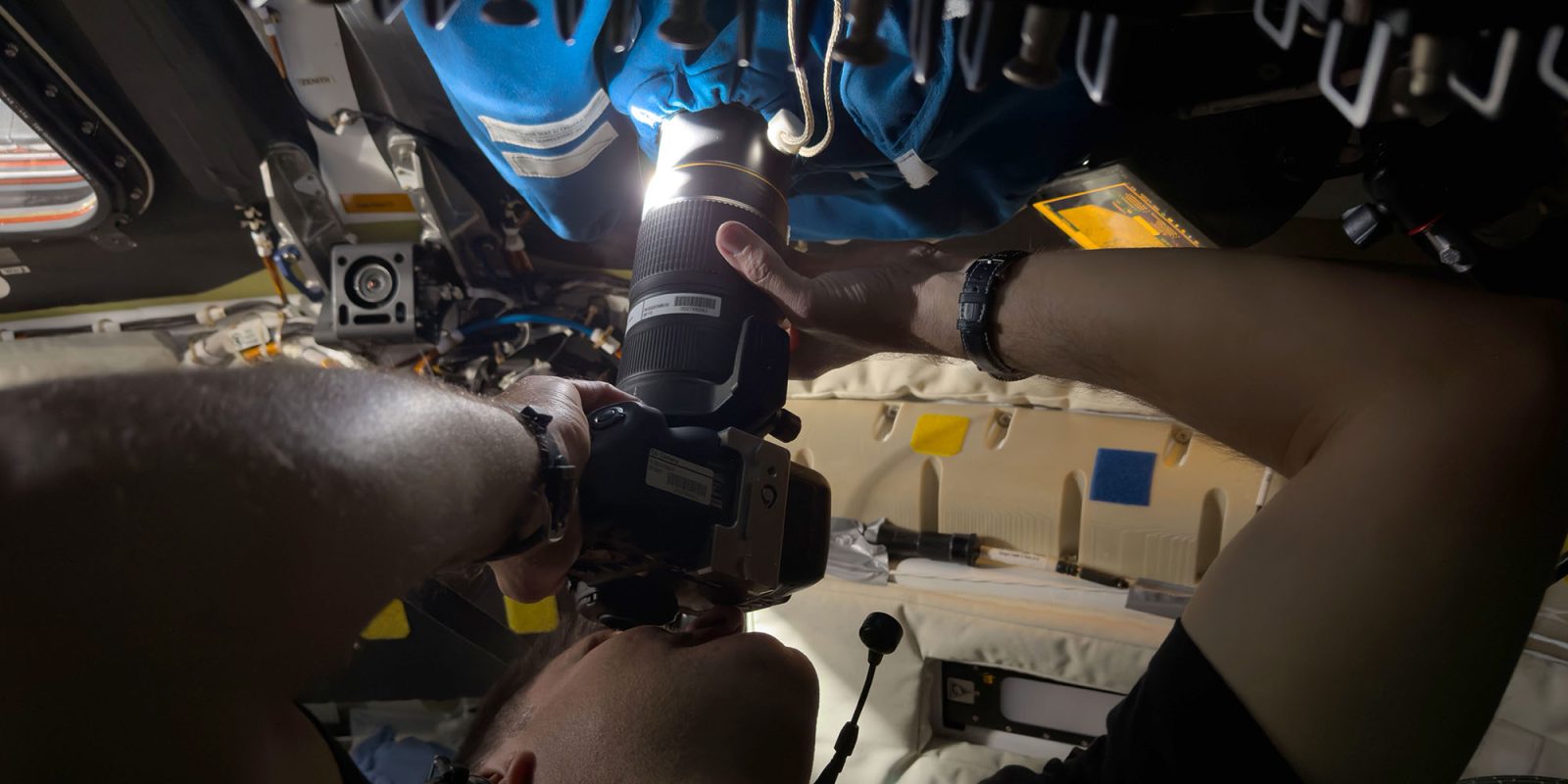
While professional cameras have been utilized in space since the inaugural missions, the small size of smartphones allows astronauts to snap candid photos that can captivate the public in a more approachable manner. The capacity to share these experiences can boost public engagement and support for NASA’s endeavors, which is essential for obtaining future funding amidst governmental scrutiny.
The photographs taken on iPhones during the Artemis II mission may have considerable consequences for NASA, potentially affecting public perception and backing for upcoming crewed space expeditions. The integration of commonplace technology into space exploration not only enhances the astronauts’ journey but also nurtures a bond with audiences back on Earth.