

# The Progression of Foldable Smartphones: An Examination of Form Factors and Anticipated Trends
Foldable smartphones have reshaped the mobile industry since their debut, presenting inventive designs that improve user interaction. Nonetheless, the Android ecosystem has largely evolved into two main form factors: clamshell flip devices and book-style models. As Apple gears up to make its entry into the foldable market with the expected “iPhone Fold,” it seems poised to revive a form factor that Android manufacturers, including Google Pixel, once pursued but ultimately left behind. This article explores the progression of foldable smartphones, emphasizing the Pixel Fold, Oppo Find N, and the significance of Apple’s arrival in this arena.
## Pixel Fold, Oppo Find N, and the Form Factor We Lost
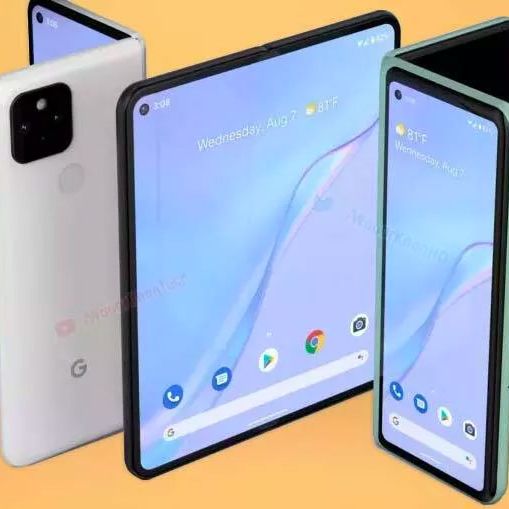
In the initial phases of foldable technology, numerous designs surfaced. Samsung’s Galaxy Fold featured a tall external display that unfolded into a vertically-oriented internal screen, while other companies tested different designs. However, Oppo’s original Find N foldable took a distinctive path by being compact and providing a broader inner display, improving the overall user experience.
The Oppo Find N stood out due to its short and stout design, offering a wider aspect ratio that facilitated a more immersive media experience. This design ethos persisted with the Find N2, which further honed the concept. Jumping ahead to the launch of Google’s Pixel Fold, which embraced a similar aesthetic but came with some inherent drawbacks. Despite these shortcomings, the Pixel Fold sought to provide an engaging experience by introducing a more tablet-like interface within a pocket-friendly device.
## Samsung Paved the Way, but Apps Shaped Today’s Reality
While the designs of the Oppo and Pixel Fold highlighted the benefits of wider aspect ratios, they encountered considerable obstacles because of the current app ecosystem. Numerous Android applications struggled to adjust to the distinct dimensions of these devices, resulting in a subpar user experience. Conversely, Samsung’s Galaxy Z Fold design, despite facing usability critiques, enjoyed a more robust app support framework.
The gap in app optimization underscored the significance of timing and developer agility. Google’s initiatives to improve app adaptability for different display sizes have made significant progress in recent years, yet these developments arrived too late for the Pixel Fold’s debut. Consequently, the device faced challenges in gaining traction within a market where app compatibility is vital.
## Apple is Shifting the Paradigm in a Unique Way
With the approaching launch of the iPhone Fold, Apple is ready to reintroduce the broader form factor that the Pixel Fold found difficult to mainstream. Leaks indicate that the iPhone Fold will come with a 5.3-inch outer display and a 7.7-inch inner display, underscoring a design that combines the practicality of an iPhone with the expansive functionalities of an iPad.
Apple’s history of influencing developer behavior gives it a singular advantage in this realm. Unlike Android developers, who might require time to adjust to new form factors, iOS developers typically respond promptly to Apple’s innovations. This quickness could enable a smoother adaptation for apps to fit the iPhone Fold’s design, potentially resulting in a more successful launch compared to its Android counterparts.
## …and, as Usual, Everyone is Attempting to Imitate It
Apple’s foray into the foldable space has sparked a surge of activity among Android producers, many of whom are now investigating similar wide form factors. Samsung, Honor, and Oppo are all said to be crafting their own interpretations of wide foldables, indicating a renewed enthusiasm for this design style.
This reactive trend prompts inquiries about the long-term viability of the foldable market. While the advent of wide foldables may increase competition, the specialized nature of the foldable segment suggests that not every brand can effectively support multiple form factors. Over time, it is likely that some manufacturers will lean toward the more established designs while others experiment with the new wide format.
## Conclusion
The progression of foldable smartphones has been characterized by trial and adjustment, with various form factors competing for consumer interest. As Apple prepares to unveil the iPhone Fold, the landscape is set for additional transformation. The success of this device will largely hinge on the app ecosystem’s capacity to adapt, a factor that could determine whether this renewed fascination with wider foldables endures. As the market continues to change, it will be intriguing to observe how manufacturers react and whether insights gained from earlier iterations will influence the future of foldable technology.