

Astronomers will be alerted to celestial events just minutes after they are detected.
The Vera C. Rubin Observatory’s automated alert system is now operational, providing astronomers with numerous observations to analyze. The system, which became active on Tuesday, February 24th, issued around 800,000 alerts in its first night about asteroids, supernovas, and active black holes, with expectations of millions more each night.
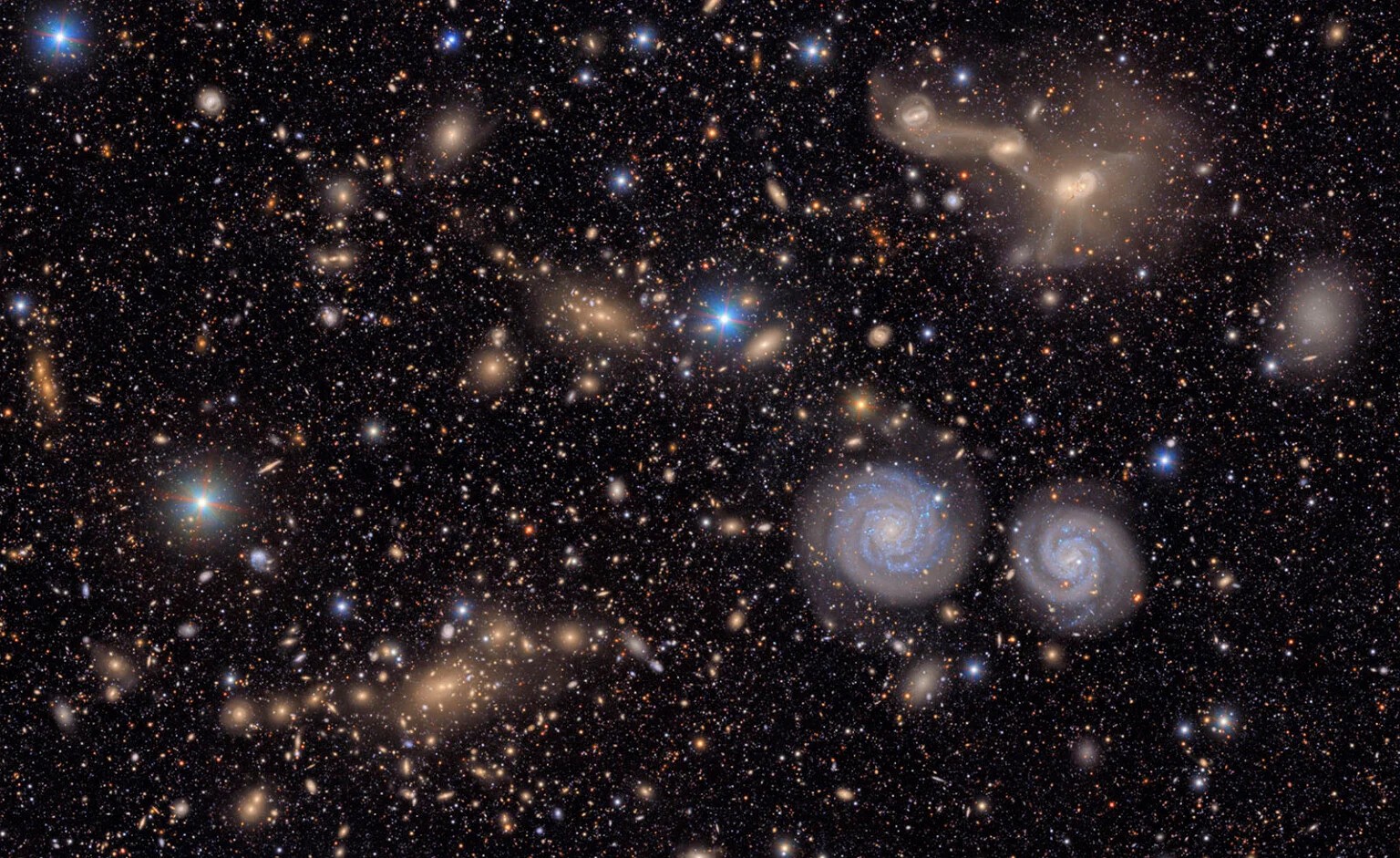
Since June last year, the Observatory’s LSST camera, comparable in size to a car, has been capturing images of the cosmos. Researchers and astronomy enthusiasts eagerly awaited this alert system’s activation. Each night, about 1,000 images are captured and compared to reference images. Discrepancies are flagged, and an algorithm differentiates between supernovas and asteroids, alerting relevant parties in minutes, allowing for prompt scientific attention to transient celestial phenomena.
The alerts are customizable; they can be filtered by type, brightness, and frequency, ensuring researchers are not overwhelmed as discovery rates increase at the Observatory.