
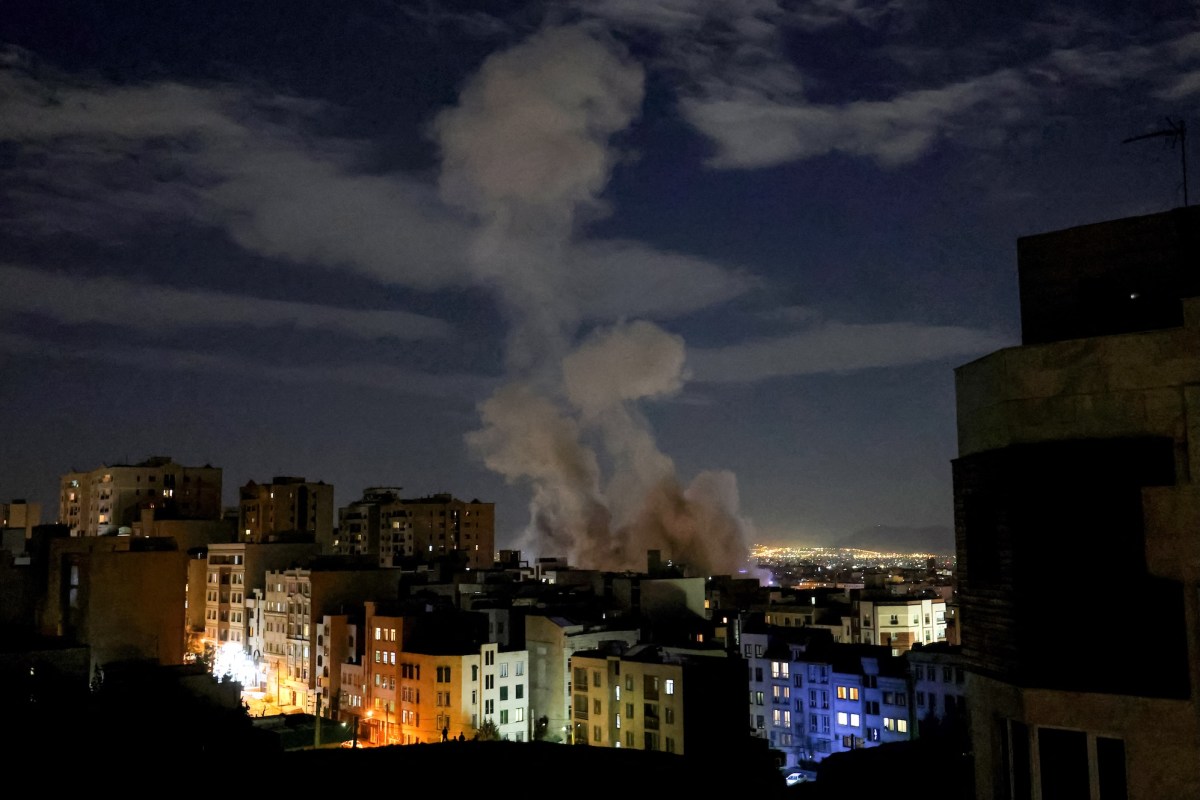

In the aftermath of Anthropic’s conflict with the Department of Defense, the company finds itself in an awkward position, simultaneously involved in the conflict between the U.S. and Iran and distancing itself from many clients in the defense sector.
The confusion partly stems from overlapping and contradictory U.S. government restrictions. President Trump has instructed civilian agencies to cease using Anthropic products, granting the company six months to phase out its operations with the Department of Defense. However, the situation escalated when the U.S. and Israel launched a surprise attack on Tehran, perpetuating the conflict before the directive could be fully implemented.
Consequently, as the U.S. continues its aerial campaign on Iran, Anthropic models are being utilized for numerous targeting decisions. Although Secretary of Defense Pete Hegseth has pledged to classify the company as a supply-chain risk, no official actions have been taken, presenting no legal obstacles to using the system.
A Washington Post article revealed new insights into how Anthropic’s systems are integrated with Palantir’s Maven system. As Pentagon officials planned the strikes, the systems “suggested hundreds of targets, issued precise location coordinates, and prioritized those targets according to importance,” described as “real-time targeting and target prioritization.”
Simultaneously, many defense industry companies are replacing Anthropic models with competitors. Lockheed Martin and other defense contractors have started swapping out the company’s models, according to a Reuters report. Many subcontractors are similarly affected: a managing partner at J2 Ventures told CNBC that 10 of his portfolio companies have stopped using Claude for defense purposes and are actively seeking alternatives.
The main question remains whether Hegseth will follow through with the supply-chain risk designation, potentially leading to a significant legal battle. Meanwhile, a leading AI lab is rapidly being edged out of military technology, even while it’s in active use in a war zone.