
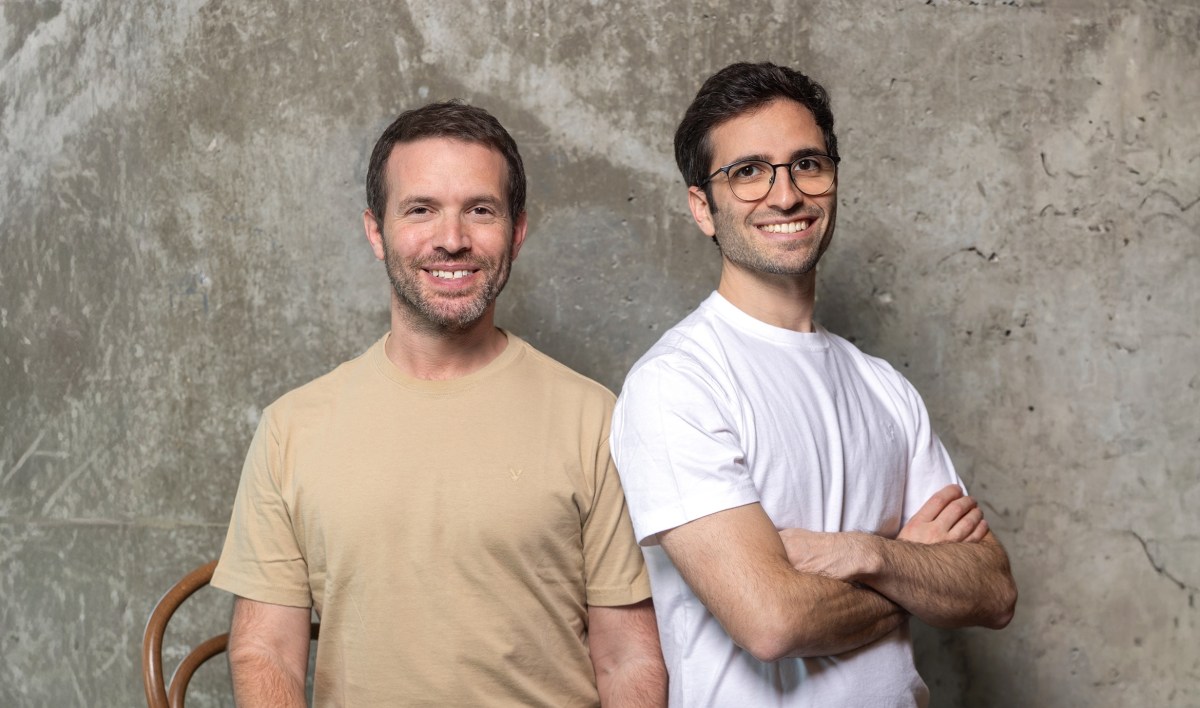

Gavriel Cohen, the creator of NanoClaw, has experienced a rapid rise. Six weeks ago, he introduced NanoClaw on Hacker News as a small, open-source, secure alternative to the AI agent platform OpenClaw, after developing it over a long weekend. The post quickly gained traction. “I sat on the couch in my sweatpants,” Cohen shared with TechCrunch, “and just immersed myself for almost 48 hours straight.”
Three weeks ago, an X post from renowned AI researcher Andrej Karpathy praising NanoClaw also went viral. A week ago, Cohen shut down his AI marketing startup to dedicate himself fully to NanoClaw and establish NanoCo. Thanks to attention from Hacker News and Karpathy, NanoClaw gained 22,000 stars on GitHub, 4,600 forks, and over 50 contributors. Cohen has already implemented hundreds of updates, with more on the way.
Recently, Cohen announced a collaboration with Docker, the pioneers of the container technology underpinning NanoClaw, boasting millions of developers and almost 80,000 enterprise clients, to incorporate Docker Sandboxes into NanoClaw.
The journey began with Cohen and his brother, Lazer, launching an AI marketing startup that provided services like market research and blog writing using AI agents. The business was thriving and poised to reach $1 million in annual recurring revenue. “We had great momentum. I’m a strong advocate for AI-native service companies that have high margins and function like software firms,” said Cohen, who previously worked at Wix.
Cohen crafted the startup’s AI agents using Claude Code, designed for specific tasks. However, a key feature was missing. The agents required prompting to operate and couldn’t be pre-scheduled or connected to communication tools like WhatsApp. Then he discovered OpenClaw, enjoyed using it to build interfaces, and realized it filled a gap.
But OpenClaw’s security issues alarmed him. While investigating a performance issue, Cohen found a file where OpenClaw had downloaded all his WhatsApp messages as plain, unencrypted text, not just the work-related ones. OpenClaw faced criticism as a “security nightmare” due to its approach to accessing memory and account permissions.
The experience prompted Cohen to create NanoClaw, built in just 500 lines of code with Apple’s new container tech, providing isolated environments preventing unauthorized data access. After sharing it on Hacker News, Andrej Karpathy’s endorsement sparked widespread attention.
Oleg Šelajev from Docker reached out amidst the buzz, adapting NanoClaw for Docker Sandboxes. Cohen embraced the change, recognizing the project’s growing community and widespread use. As NanoCo’s CEO and president, the Cohens are exploring commercial opportunities with VC interest growing. Meanwhile, NanoClaw remains free and open source, funded by friends-and-family.
The strategy is to offer a commercial product with specialists assisting companies in creating and managing secure agents, though the industry is competitive. With Docker’s developer community behind it, NanoClaw is poised for more growth.
*Pictured above from left to right, Lazer and Gavriel Cohen.*