
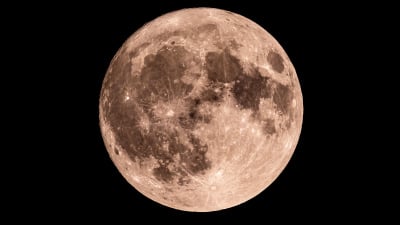

We are nearing the New Moon, a phase in the lunar cycle where the Moon doesn’t appear in the night sky. This is part of the approximately 29.5-day lunar cycle during which the Moon transitions through eight phases as sunlight illuminates different portions while it orbits Earth. Currently, as of March 12, the Moon is in the Waning Crescent phase with 42% visibility. Tonight, the Aristarchus Plateau and the Kepler Crater are visible to the naked eye, while the Grimaldi Basin, the Gassendi Crater, and the Clavius Crater require binoculars. A telescope will reveal the Apollo 14 landing site and the Schiller Crater. The next Full Moon is anticipated on April 1 in North America.
The phases of the Moon include:
1. **New Moon** – The Moon is between Earth and the Sun, rendering it invisible.
2. **Waxing Crescent** – A small light strip is visible on the right side (in the Northern Hemisphere).
3. **First Quarter** – Half of the right side of the Moon is illuminated, resembling a half-moon.
4. **Waxing Gibbous** – More than half is visible, nearing fullness.
5. **Full Moon** – The entire face of the Moon is visible and fully illuminated.
6. **Waning Gibbous** – The illuminated portion begins to decrease on the right side.
7. **Third Quarter** – Another half-moon but now the left side is illuminated.
8. **Waning Crescent** – A thin sliver remains on the left side before the cycle repeats.