
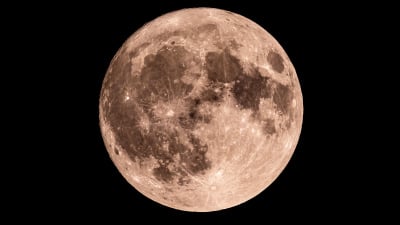

Can you see any features on the Moon’s surface tonight?
By Lois Mackenzie on March 22, 2026
After nights of darkness, the Moon is now illuminated enough for sky gazers to spot surface features again. Keep reading to find out what you may see tonight.
What is today’s Moon phase?
As of Sunday, March 22, the Moon phase is Waxing Crescent. According to NASA’s Daily Moon Guide, 14% of the Moon will be lit tonight.
Tonight marks the return of enough of the Moon’s surface to see exciting features. For example, without any visual aids, NASA tells us you can spot the Mare Fecunditatis and the Mare Crisium, situated on the middle right of the moon, or middle left if in the Southern Hemisphere.
With binoculars or a telescope, you’ll see these and also the Edymion Crater, positioned at the top right, or bottom left.
When is the next Full Moon?
In North America, the next Full Moon is predicted on April 1.
What are Moon phases?
NASA says the Moon takes about 29.5 days to orbit Earth, going through eight phases. We always see the same side, but the Sun lights different portions as it moves. These changes are called lunar phases, and there are eight in total:
– New Moon: The Moon is between Earth and the sun, so the side we see is dark.
– Waxing Crescent: A small sliver of light on the right side (Northern Hemisphere).
– First Quarter: Half of the Moon is lit on the right side, like a half-Moon.
– Waxing Gibbous: More than half is lit, but not full yet.
– Full Moon: The whole face of the Moon is illuminated.
– Waning Gibbous: The Moon loses light on the right side (Northern Hemisphere).
– Third Quarter: Another half-Moon, now the left side is lit.
– Waning Crescent: A thin sliver of light remains on the left before going dark again.
Lois Mackenzie is a freelance reporter at Mashable. Over the years, she has written for many publications, covering topics from local news to running shoes. You’ll find bylines in Fit&Well, Metro, and Coach magazine, covering everything from earbuds to TVs or guides on beating your half marathon time.