
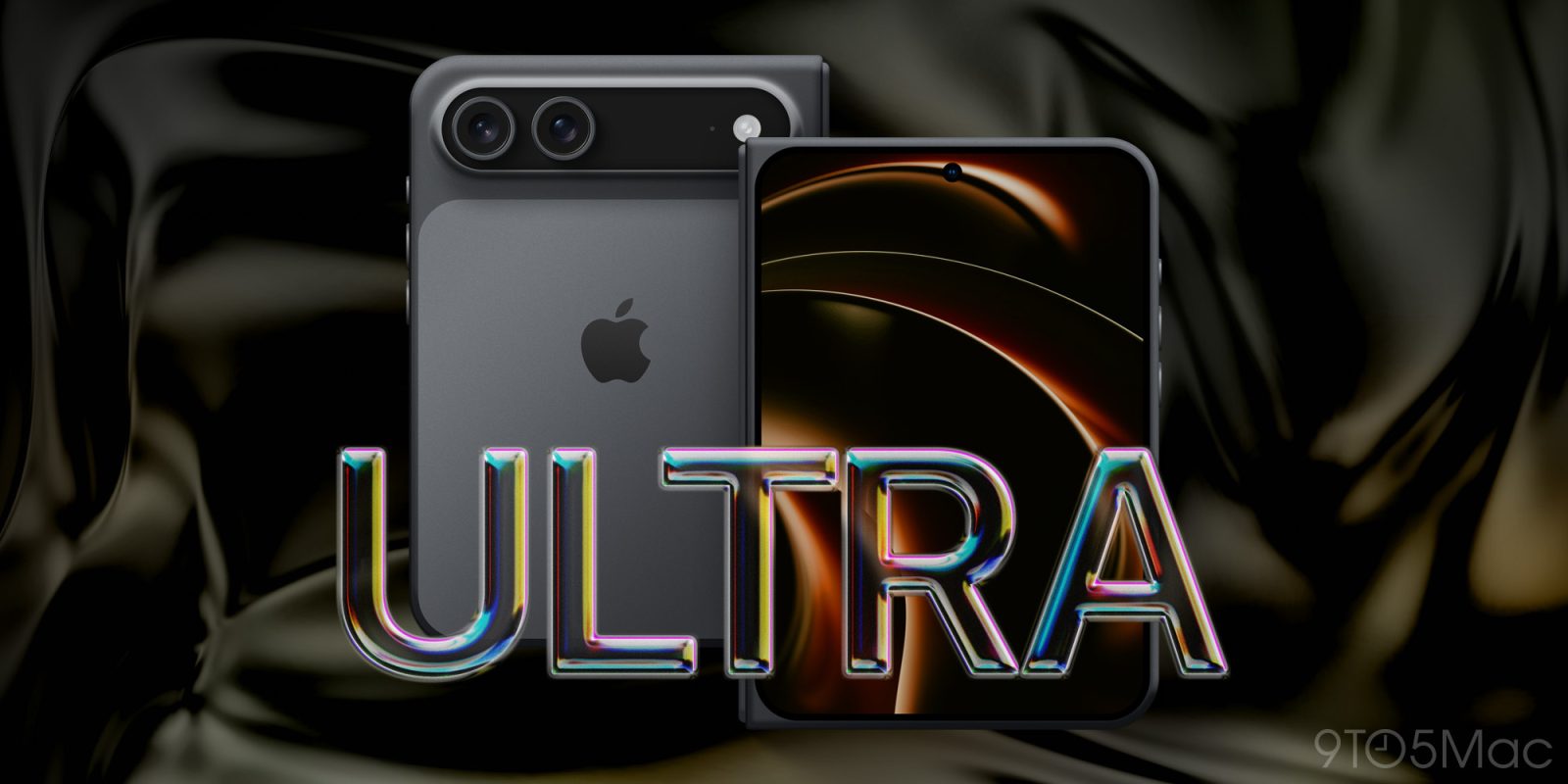

**The Expected Introduction of the Folding iPhone: Innovations and Solutions to the Crease Issue**
Apple is believed to be gearing up for the debut of its inaugural folding iPhone, possibly referred to as the iPhone Ultra, later this year. This eagerly awaited gadget has been under development for several years, with Apple reportedly postponing its launch due to worries about the noticeable crease observed in initial competitor models.
### Addressing the Noticeable Crease Issue
The crease problem has posed a considerable obstacle for foldable smartphones. Initial models, including those from rivals like Samsung, displayed a prominent crease that Apple deemed unacceptable for its leading device. To tackle this, Apple has been vigorously engaged in rethinking the folding mechanism, working closely with its display partners to attain a more seamless look.
Recent updates suggest that Apple has adopted various methods to lessen crease visibility. According to supply-chain market analysis firm TrendForce, the company is employing advanced techniques to control stress distribution and the placement of the neutral layer within the multilayer composition of the display. This includes the incorporation of ultra-thin glass (UTG) that is crafted with varying thickness, enabling better flexibility at the bending axis while preserving durability in non-folding sections.
### The Importance of Advanced Adhesive
One of the most pivotal breakthroughs in the creation of the folding iPhone is the implementation of an intricate type of adhesive. This state-of-the-art glue remains adequately liquid to fill in microscopic irregularities that could result in visible creases. TrendForce emphasizes that this optically clear adhesive (OCA) has advanced beyond its conventional bonding function, now displaying viscoelastic traits that improve the toughness and performance of foldable displays.
The optimized structure of the OCA enables it to adapt flexibly to stress. It stays soft during gradual bending, lessening fatigue stress, while temporarily boosting its modulus under sudden pressure to offer structural support. This feature helps stabilize the neutral layer of the display, significantly alleviating stress concentration during the folding process. Furthermore, the adhesive’s micro-flow capabilities allow it to fill in any irregularities that may arise over time, further reducing the visibility of creases.
### Market Influence
With these advancements, Apple is anticipated to secure around 20% of the foldable smartphone market share upon the launch of the iPhone Ultra. The blend of cutting-edge materials and engineering solutions positions Apple to establish a new benchmark in the foldable smartphone segment, addressing one of the most pressing issues that have impacted this technology.
In summary, as Apple readies to reveal its first folding iPhone, the company’s dedication to overcoming the visible crease challenge through inventive design and materials underscores its commitment to excellence and user satisfaction. The awaited introduction signifies a major milestone in the progression of smartphones, potentially transforming consumer expectations for foldable devices.