
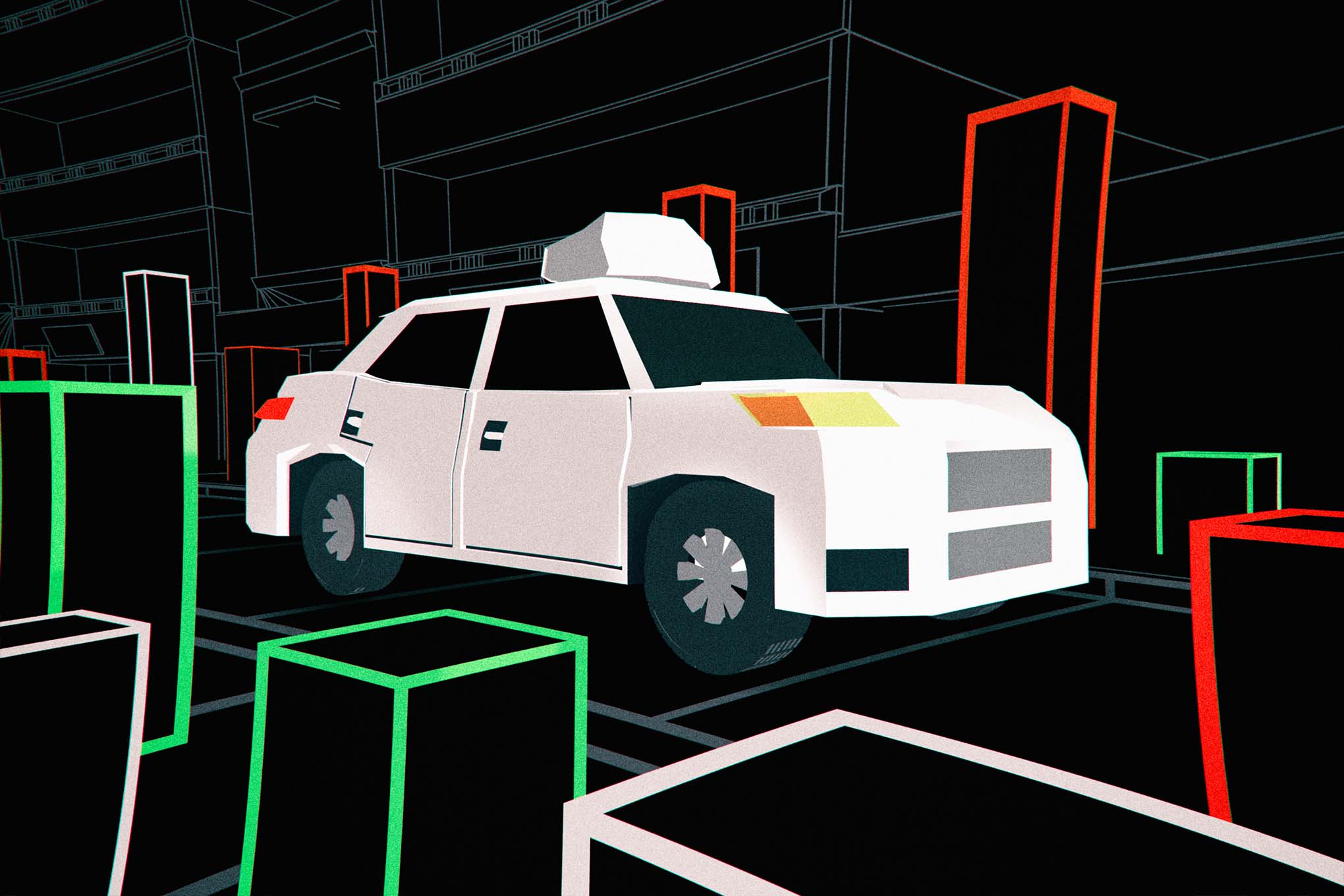

The company is extending support to robotaxi partners with data, fleet management, and remote assistance.
Uber is aggressively expanding into robotaxis by making new partnerships and committing significant investments to support future fleets, although it’s not designing or building the vehicles itself. Uber is launching Uber Autonomous Solutions, a new initiative to support its third-party robotaxi partners. Uber is providing tools and assistance similar to what’s offered to drivers and couriers, such as vehicle financing, fleet management, and regulatory help, to AV partners like Wayve, WeRide, Nuro, Waabi, and others. This support acknowledges that many AV developers lack the financial resources of leading companies like Waymo and Tesla and need help managing costs associated with launching commercial services.
Uber describes this offering as “a comprehensive suite of unique services and capabilities” that assists partners in building and commercializing autonomous vehicles globally. This effort is led by Sarfraz Maredia, Global Head of Autonomous Mobility and Delivery, and his quickly growing team, focusing on infrastructure, user experience, and fleet management.
The infrastructure solutions involve training data from Uber’s test vehicles, which, although not autonomous, share many sensors with robotaxis to assist partners in enhancing their vehicles. Uber is also providing mapping data support.
On the user experience side, Uber is offering assistance with in-car software design and advice on launching services similar to Uber Black or Uber Reserve. For fleet assistance, Uber provides a fleet intelligence and management solution for real-time vehicle monitoring, along with developing a remote assistance platform for situations requiring human intervention.
Essentially, Uber urges its AV partners to focus on developing autonomous driving software while it manages the rest. Since halting its own AV development, Uber has been forming partnerships with various companies, aiming to use its reach to support the global spread of autonomous vehicles, intending to work with all AV operators.
“Our primary focus is on helping our partners scale effectively rather than maximizing near-term monetization,” said Uber spokesperson Noah Edwardsen. While services won’t be completely free, the value or costs will often be incorporated into the partnership economics or negotiated individually.
Uber offers this support partly to maintain ties with AV companies and reduce the potential impact on its human-powered services. Reports indicate that companies like Waymo are already capturing significant market shares, like in San Francisco, leading to revenue losses for Uber.