
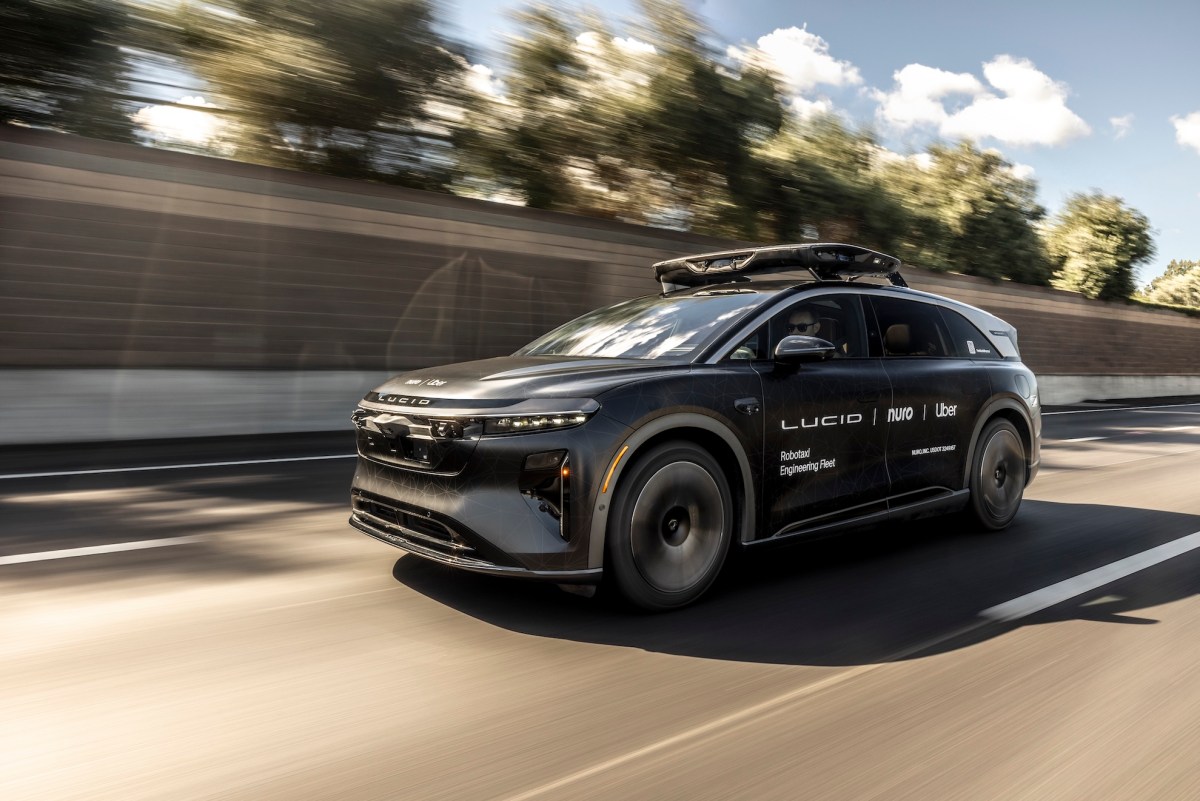

Uber is positioning itself as a key player for autonomous vehicle manufacturers with its new division, Uber Autonomous Solutions, aimed at managing tasks for robotaxi, self-driving truck, or delivery robot operations, including software and support services. This development builds on years of work and partnerships with nearly two dozen autonomous tech companies, such as Lucid, Nuro, Waabi, and WeRide. Uber aims to be indispensable by providing operational services, including demand generation and customer support, to reduce costs and speed up market entry for these companies. The goal is to expand robotaxi deployments to over 15 cities by year-end.
Uber President Andrew MacDonald emphasized the importance of commercial viability for autonomous technology, stating Uber would drive this aspect forward. The company plans to manage infrastructure elements like training data, mapping, fleet financing, and regulatory services using its fleet of Lucid vehicles to aid partner AI training. Uber also intends to provide fleet management, including insurance and remote assistance, areas highlighted by concerns over Waymo using overseas workers.
After selling its in-house AV unit, Uber ATG, in 2020 following a fatal accident with a test vehicle, Uber has strengthened its position through partnerships, collaborating on a shared robotaxi service in Atlanta and Austin with Waymo. Uber has agreements with Baidu, Momenta, Pony.ai, Cartken, Starship, Serve, Wayve, AVride, and Motional among others, with plans for a Volkswagon robotaxi service in Los Angeles by 2026.
While providing some protection, these partnerships don’t compensate for potential revenue loss if autonomous services impact Uber’s current business driven by human drivers. Uber hopes the new division will address this gap.