

The surge in AI data centers connecting to the national electrical grid has contributed to a rise in consumer electricity prices, increasing the average national rate by over 6% in the past year. This situation poses political challenges for incumbents as elections approach. President Donald Trump addressed this issue in his recent State of the Union speech, suggesting tech companies should generate their own power to prevent price hikes.
These tech giants are already taking steps to address power costs. Microsoft announced its policy to prevent passing electricity costs onto residential customers. OpenAI pledged to cover its energy expenses to avoid raising energy prices. Anthropic made a similar commitment to address electricity cost increases due to data centers. Google unveiled the largest battery project globally to support a Minnesota data center.
While these pledges have been made, the practical implications and accountability for data centers causing price increases remain unclear. The White House has not responded to inquiries about the policy. Senator Mark Kelly criticized this approach, emphasizing the need for guaranteed energy price control and community involvement.
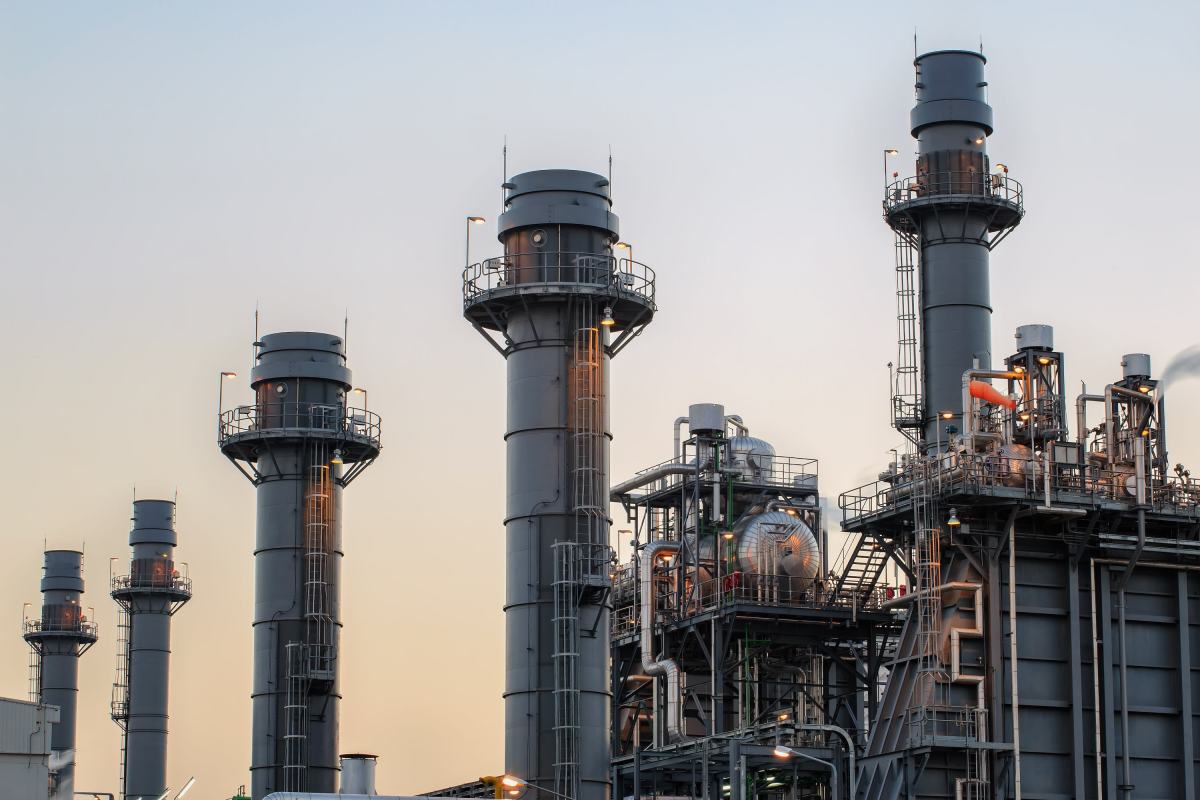
Next week, company representatives, including those from Amazon, Google, Meta, Microsoft, xAI, Oracle, and OpenAI, are expected to sign the pledge at the White House, although confirmations are pending. However, even with commitments to manage electricity costs, developing on-site power plants may not be a perfect solution. They can still affect the local environment and put pressure on supply chains for resources like natural gas, turbines, photovoltaics, and batteries, depending on the companies’ energy strategies.