

For nearly a decade, Whoop positioned itself as an essential tool for serious athletes. Stars like LeBron James, Michael Phelps, Cristiano Ronaldo, Patrick Mahomes, and Rory McIlroy embraced it early on. The message? Top performers use Whoop to track their bodies, encouraging the public to do the same.
The strategy worked. Boston-based Whoop, founded by Will Ahmed during his senior year at Harvard, operates in over 200 countries. Ahmed claims the company more than doubled its revenue last year and achieved positive cash flow. The wrist, bicep, or torso bands monitor sleep, recovery, heart rate variability, and a growing list of biomarkers. Its subscription model, costing $200 to $360 annually for combined hardware and software, has proven to retain users, with 83% of monthly active users opening the app daily, second only to WhatsApp.
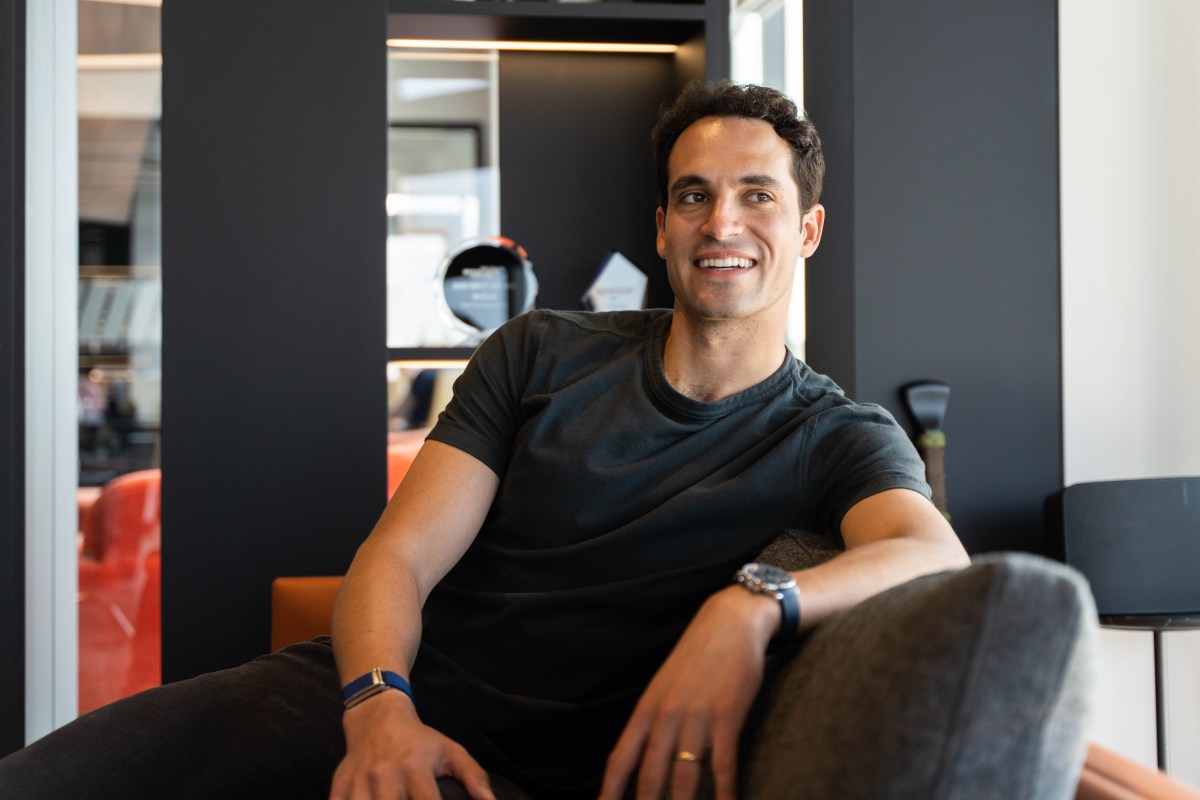
The next challenge is repositioning Whoop from a performance tool to a life-saving health monitor. Ahmed, 36, envisions a future where the device could unpromptedly warn users of impending health issues like heart attacks.
Whoop already offers medically cleared ECG monitoring, atrial fibrillation detection, and blood pressure insights. However, the FDA questioned the latter feature, claiming it was more medical diagnosis than wellness monitoring, but Whoop continued its development.
A partnership with Quest Diagnostics allows members to integrate blood test biomarkers directly into the app for clinician reviews. The Health Span feature, which estimates biological age, has become highly popular since its launch.
The Whoop device intentionally lacks a screen, notifications, or a step counter. Ahmed explains this strategic choice: without a screen, it avoids competition with watches and can be discreetly worn in various ways. While many users treat the band as a fashion accessory, the company’s apparel line grew 70% last year.
Meanwhile, Oura, a Finnish competitor with its smart ring, targets high-performing individuals with a different model: a $350 ring purchase and a $70 annual platform fee. Oura boasts high retention rates and, like Whoop, has initiated blood-testing partnerships.
Both Whoop and Oura are seeing a growing female customer base. Whoop’s user demographics still show a male skew, but the company reports an even geographical split between the U.S. and internationally. It ships to 60 countries.
Whoop’s organic growth is attributed to the genuine choice by athletes like Carlos Alcaraz to wear the band. Despite the Australian Open’s request to remove the device, players resisted, cementing Whoop’s reputation.
The company does not provide athletes equity for wearing the band, believing genuine preference trumps financial incentives. Formal partnerships with entities like Ferrari and the PGA Tour extend Whoop’s reach to broader audiences.
As Oura considers an IPO, setting benchmarks for Whoop, the company remains focused on technology and growth, preparing for a public offering on its terms. Whoop currently employs around 750 people and plans to hire 600 more.
Ahmed, who launched Whoop after captaincy on Harvard’s squash team and extensive health research in 2011, reflects on entrepreneurship’s challenges and rewards. To succeed, he believes entrepreneurs must prioritize solving problems over the allure of simply being a founder.