

### The Transforming Terrain of Cloud Computing: Perspectives from the 2026 State of Cloud Computing Survey
The transition to cloud computing has been a monumental movement for IT departments over the last ten years, fueled by the promise of cost efficiency, enhanced speed, and lowered maintenance. As we near 2026, a new landscape is coming into focus, prompting organizations to reevaluate their cloud strategies. The latest **2026 State of Cloud Computing Survey** conducted by Parallels uncovers substantial concerns among IT teams, especially regarding vendor lock-in, the impact of artificial intelligence (AI), and the feasibility of Virtual Desktop Infrastructure (VDI).
#### The Anxiety of Vendor Lock-In
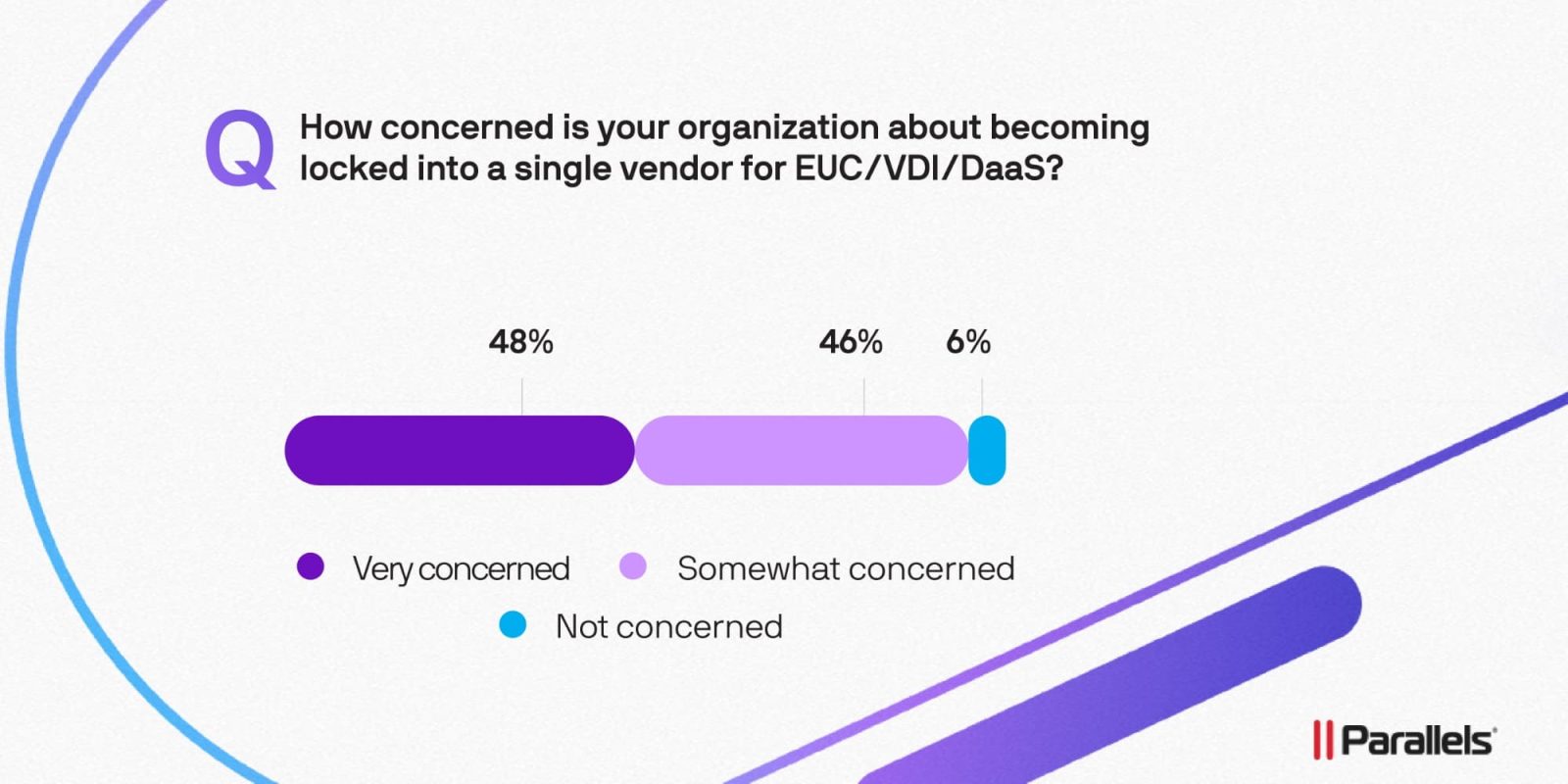
An astounding 94% of organizations voice worries about vendor lock-in, underscoring a rising skepticism towards single-platform offerings. While Software as a Service (SaaS) has simplified processes, the persistent increase in licensing costs has led many to reassess their return on investment (ROI). Almost half of the respondents disclosed feeling “very concerned” about unpredictable product roadmaps and future support, signaling a shift away from uncritical reliance on sole vendors. IT directors are increasingly emphasizing architectures that permit flexibility and an exit strategy if pricing or features become unfavorable.
#### AI: Transitioning from Excitement to Assistance
The initial enthusiasm surrounding AI has transitioned to a more realistic strategy. In 2026, organizations are concentrated on utilizing AI to relieve tedious tasks rather than adopting it merely for its novelty. Key areas of focus identified in the survey include:
– **47%** prioritizing AI for detection of issues.
– **41%** aiming for automated application patching.
– **39%** looking to minimize administrative overhead.
Nonetheless, just **29%** of those surveyed are willing to incur additional costs for AI features, emphasizing to vendors that effective automation that truly conserves time is vital. The next two years will be pivotal in determining how AI progresses within IT tools and whether it can yield measurable cost reductions.
#### VDI Weariness is Tangible
For Mac administrators, VDI has emerged as a crucial method for delivering Windows applications to macOS users. Yet, the operational expenses tied to managing VDI environments are becoming overwhelming. The survey reveals that **85%** of organizations dedicate between 1 and 10 hours each week to managing their VDI configurations. This concealed expense has driven two-thirds of organizations to actively pursue new VDI or Desktop as a Service (DaaS) solutions, with over half poised to make the switch within the next six months.
#### Conclusion: Hybrid is Becoming the Norm
Perhaps the most notable trend emerging from the survey is the deviation from cloud-only models. Almost **49%** of respondents are contemplating or preparing for a return to on-premises or hybrid configurations. The primary motivations for this shift include price instability and data sovereignty issues. With nearly half of the surveyed organizations experiencing security breaches within the last year, the necessity for a balanced strategy encompassing cloud and on-premises solutions is becoming increasingly evident. While IT teams are not turning their backs on the cloud, they are becoming more discerning regarding which applications and data are stored there.
The outlook for cloud computing seems to be hybrid, providing flexibility as SaaS tools continue to escalate in price with the monetization of AI features. Organizations are now seeking solutions that not only fulfill their immediate requirements but also offer long-term adaptability in an ever-evolving technological environment.
For additional insights, you can download the full survey [here](https://www.parallels.com/products/ras/all-resources/reports/cloud-survey-2026/report/).