

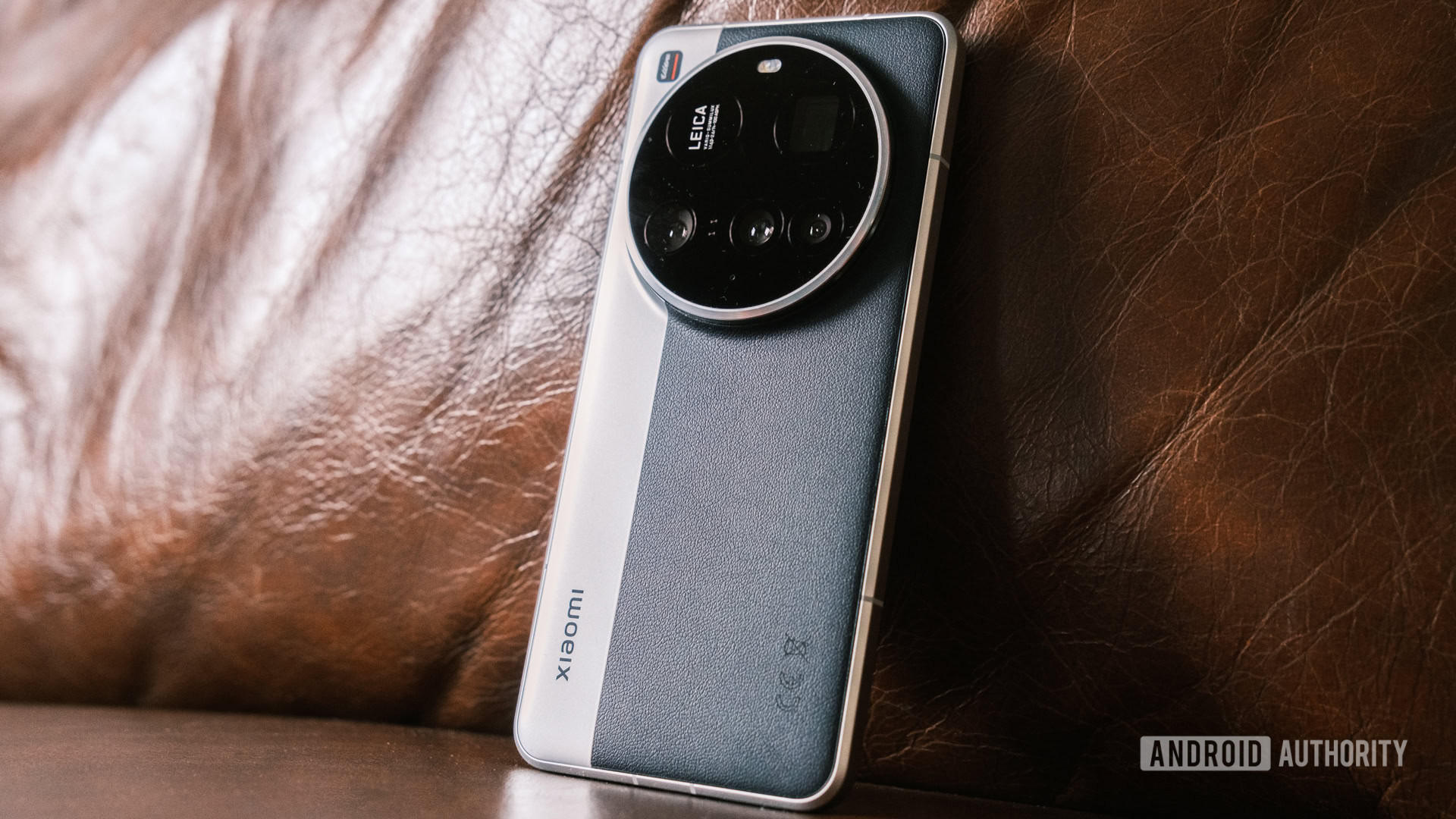
The Chinese OEM, Xiaomi, is making remarkable progress in the technology sector by concentrating on broadening the reach of its proprietary chip, the XRing. In a recent discussion with CNBC, Xiaomi’s president, Lu Weibing, disclosed the company’s bold intentions to manufacture the XRing chip on an annual basis. This initiative signifies a transformation in Xiaomi’s approach, as it seeks to incorporate its custom chip into worldwide launches, not solely within China.
The XRing O1, which was introduced last year, boasts a 10-core architecture and employs Arm’s v9.2 cores, positioning it as a contender against other prominent chip producers. Xiaomi’s pledge for annual enhancements of the XRing chip emphasizes its commitment to innovation and maintaining a competitive edge in the swiftly changing tech landscape.
Xiaomi’s financial backing for its chip development is considerable, with sources indicating a 30 billion yuan (~$4.1 billion) investment planned for 2025. This monetary investment highlights the company’s resolve to improve its technological prowess and provide high-performance chips that can compete with established players like Qualcomm and MediaTek.
The company’s emphasis on its proprietary chip development echoes similar actions by other tech leaders, such as Google’s creation of Tensor chips and Samsung’s focus on refining its Exynos chips. By gaining control over its chip production, Xiaomi aims to wield greater influence over the capabilities and efficiency of its devices.
Looking forward, Xiaomi intends to incorporate its AI assistant, Xiao AI, into its global product unveilings, encompassing smartphones and vehicles. This push into international markets signifies Xiaomi’s greater aspiration of becoming a significant contender in the global tech sphere.
In summary, Xiaomi’s strategic emphasis on developing and enhancing its in-house chip capabilities reflects its ambition to compete on a worldwide level and provide cutting-edge technology to consumers across the globe.