
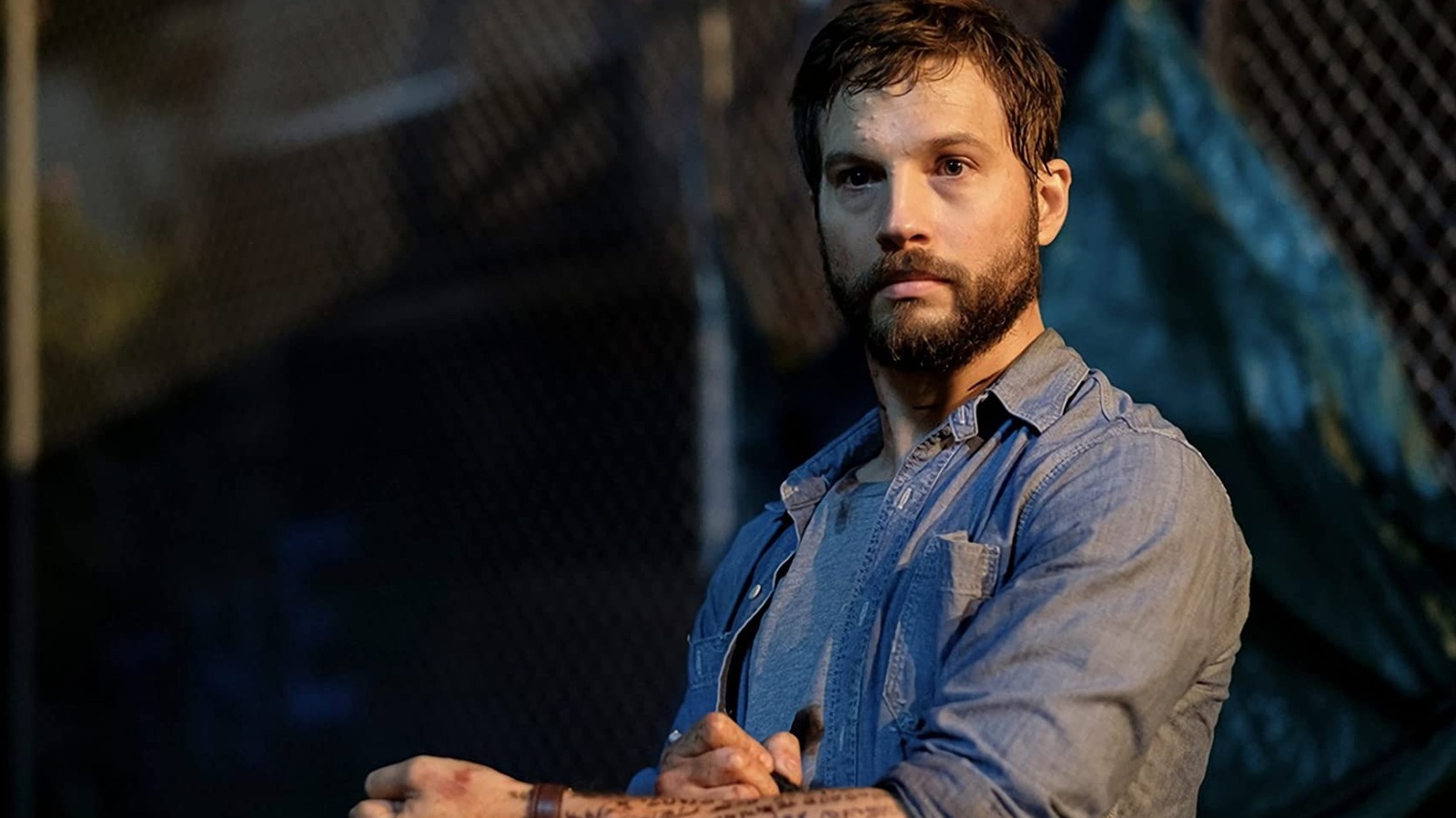

As a creative partnership, James Wan and Leigh Whannell truly harnessed something special when they crafted “Saw” and the initial two “Insidious” movies. They managed to discover an impactful formula for transforming essentially low-budget horror flicks into something that is brutally entertaining and enjoyable, despite their minimal costs. When the two branched out into solo careers, they both partially drew upon that original strategy and mindset, but it was Whannell who took more daring and possibly more ambitious risks to refine his horror craft with subtle adjustments.
After mainly working as an actor and screenwriter, he transitioned into directing. His first directorial effort was fairly conventional (a prequel within the “Insidious” series), but his second film, the 2018 techno-horror “Upgrade,” showcased compelling promise for him as an emerging filmmaker. He wrote and directed that feature with such assurance that it promptly impressed both critics and audiences, making its scant $3 million budget often seem like it was worth ten times that amount.
“Upgrade” centers on Grey Trace (Logan Marshall-Green), a husband and mechanic in a near-future world, who becomes paralyzed after a band of cyborgs shoots him and murders his wife in a brutal manner. As a quadriplegic, Grey is soon presented with a groundbreaking technology in the form of an AI chip implant — and as we’re aware, merging humans with AI comes with significant risks. He hesitantly chooses to undergo the procedure, and the AI, named Stem (voiced by Simon Maiden), aids him in regaining his complete motor functions. Eventually, he discovers that his newfound robotic abilities can assist him in tracking down, identifying, and exacting vengeance on the individuals who murdered his wife and left him immobilized.
“Upgrade” is an exhilarating, bloody, and darkly humorous B-horror experience.
Leigh Whannell’s intriguing concept grabs attention from the start, but it’s truly his innovative direction (paired with Stefan Duscio’s swift, deliberate, and polished cinematography) that transforms “Upgrade” into a tight and thrilling joyride. Whannell shows little interest in pondering the intricate connection between humans and machines — even if “Upgrade” almost instantly evokes Paul Verhoeven’s iconic “RoboCop” — and he focuses more on the revenge narrative and the standout action mixed with the kind of uncompromising gore that turned the “Saw” films into icons of torture porn. While the graphic violence can feel excessive and exaggerated at points, it’s also thrill-seeking and gratifying for B-movie aficionados in a way that very few other genre entries genuinely manage.
The AI’s frigid and somewhat sardonic demeanor may also remind audiences of Ruben Fleischer’s guilty pleasure “Venom” from the same year — a film that critics viewed as a disarray that squandered Tom Hardy’s abilities — where Hardy’s character squabbles with the symbiote residing within him similarly to how Grey interacts with Stem. Honestly, it’s unfortunate that “Upgrade” never quite had the opportunity to achieve the commercial impact of the Marvel film, remaining a relatively modest box office performer that garnered just over $16 million globally.
One thing is certain, though: Whannell’s second venture is a definite delight and an essential watch for fans of B-horror and revenge films. Not to mention that it serves as a masterclass in extracting the maximum potential from a low-budget movie that, frankly, should serve as a study case for every up-and-coming filmmaker. If you somehow missed it back then, you can easily correct that as “Upgrade” is now available for streaming on Netflix.