5 Uncommon Insights About Your Smart Home
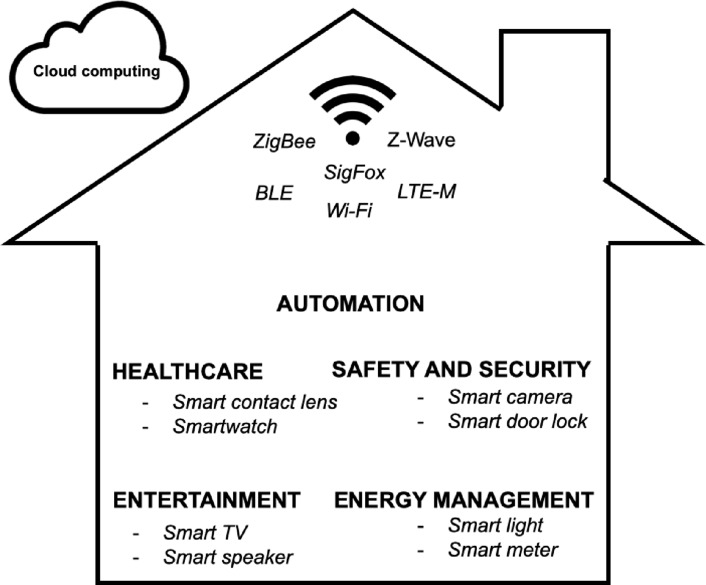
The smart home is rapidly becoming a fixture in our lives, as many households now have a couple of smart gadgets. Typically, this includes a smart speaker, a smart TV, and possibly a smart video doorbell. Yet, the smart home is capable of so much more. As people accumulate additional devices, they start to see how effortlessly they can integrate them all for unified control over various functions, whether through a single button press or a voice command.
For instance, create a “Good Morning” scenario that illuminates the lights, sets your preferred morning news channel on a smart speaker, adjusts the thermostat since no one will be home, and automatically locks the front door at 9 a.m. after you’ve left for the day in case you forget to do it yourself. You might have motion sensors that recognize your presence in a room to turn lights on and off or alert you when unwanted guests or mischievous pets are where they shouldn’t be. The opportunities are limitless, and regardless of how much you believe you understand about a smart home, there’s always more to discover.
You can incorporate helpful sensors
In addition to the most popular smart home gadgets, there are beneficial sensors that you might not even know exist. These include smart water leak detectors from companies like Moen and First Alert. Place one in areas prone to leaks, such as underneath the sink, next to the toilet or washing machine, or near a basement sewer drain. If it detects moisture, it can notify you via the app and even trigger an alarm, allowing you to take action before it escalates into an expensive issue.
There are outdoor motion detectors from brands like Philips Hue that can notify you when someone or something approaches a designated area. Position one near your car in the driveway, linked to smart lights that illuminate to deter a would-be thief in the night. Additionally, you can configure them to send alerts for any detected motion.
There are even sensors you can attach to a window that send a notification if it’s opened. Sorry kids, no more sneaking in your boyfriend or girlfriend at night like they do in films! These merely scratch the surface of the less common smart sensors on the market for homes.
Transform any device into a smart one with a plug
Upgrade older devices into smart devices with smart plugs — convenient accessories that are among the must-have smart home gadgets. They resemble conventional adapters and fit into a standard AC outlet. However, they come with integrated Wi-Fi, transforming anything plugged into them into a remotely controllable device.
This is particularly useful for small appliances such as automatic coffee makers. Prepare the water and coffee grounds the night prior, then turn on the machine from your bed in the morning so a fresh brew is ready by the time you wake up. They can also be used for items like fans and lamps.
Smart plugs are especially ideal for seasonal decorations and outdoor lighting. Plug the Christmas tree into one and schedule it to turn on automatically or control it remotely. No more contorting behind branches and ornaments to reach the plug or darting out of bed to turn off the lights you forgot about.
They aid in energy conservation
Smart home technologies, including smart thermostats, lighting, and switches, have a valuable secondary benefit: they promote energy efficiency. For instance, a smart thermostat adapts to your behavior over time, especially when interacting with other devices through motion detection. If you typically maintain a 9-5 work schedule, it can take this and motion sensing into account to slightly adjust the temperature, preventing unnecessary heating or cooling in an empty home.
Additionally, programming lights on a timer ensures they aren’t accidentally left on, wasting energy. Consider the expense of forgetting to turn off all lights while you’re away for a weeklong holiday! Motion sensors can also control lighting based on room occupancy. The latest interoperability standard for smart devices, Matter 1.4, even includes water heaters for more effective home utility management and automation.
Creating routines in an app, such as “Good Night,” that automatically powers down the lights, television, decreases the thermostat a few degrees, and shuts off other non-essential devices, can conserve energy effortlessly.
Smart AI predicts requirements
Both Google and Amazon have recently rolled out upgrades to their home control and voice assistant systems, making artificial intelligence even more sophisticated. Their assistants now engage with users in a more conversational manner. They don’t just respond to your requests but can also foresee them.
Google has updated Google Assistant to Gemini, allowing you to request a recipe, and it will automatically add the necessary ingredients to your grocery list. Tell it you’re preparing to cook and need to turn on the lights, and it will intuitively understand you mean in the kitchen. Provide specific instructions, like
