OLED displays operate differently than conventional LCD or LED screens: Each pixel on an OLED display generates its own light, removing the requirement for a separate backlight. This enhances contrast and results in deeper blacks. Since individual pixels can be controlled autonomously, they can be completely turned off to produce true blacks, a characteristic many consumers cite as the primary motivation for switching to OLED.
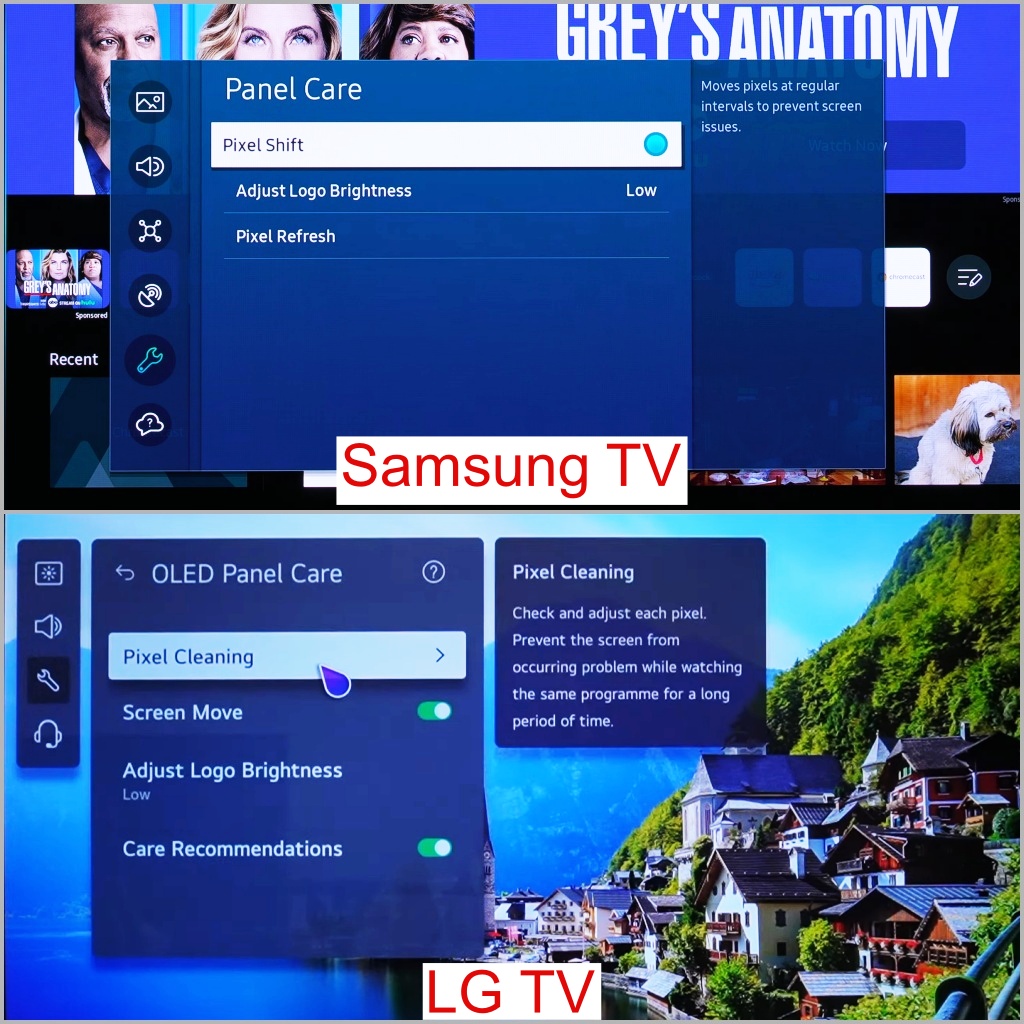
However, this technology has a significant downside. These screens utilize carbon-based materials that deteriorate over time. When a cluster of pixels ages faster than others, it can result in a faint, ghostly image overlaying what should be visible on the display. Progress is being made to eradicate OLED burn-in, but for now, you can make modifications to possibly slow the decline.
