
fjr gallery/Shutterstock
We may earn a commission from links clicked for purchases.
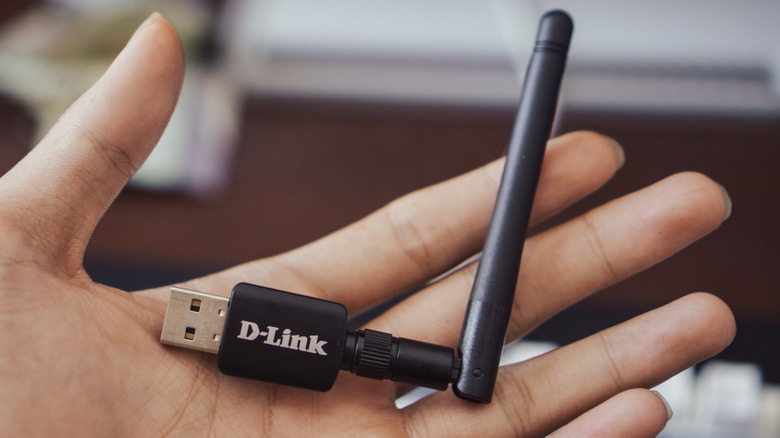
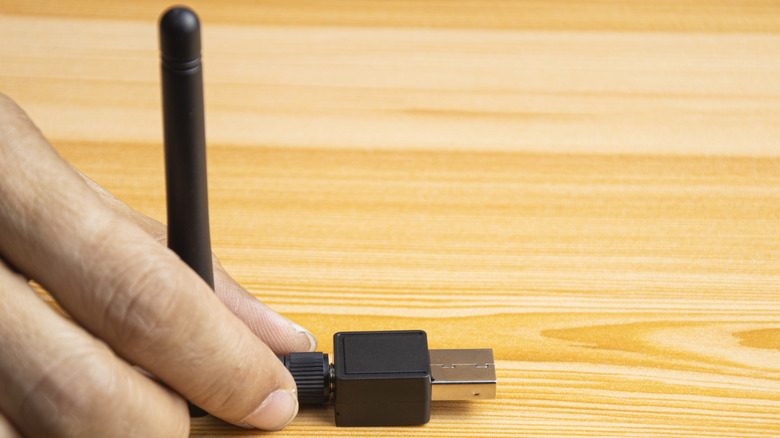
Using a USB Wi-Fi adapter seems like a reasonable choice. These adapters are compact enough to hold in your palm, and setting them up is just as simple as using a USB stick. More significantly, for those on a tight budget, USB Wi-Fi adapters are an affordable component, which cannot be said for most PC hardware. If your desktop lacks integrated wireless capabilities, opting for a USB Wi-Fi adapter is typically the most economical solution. It’s also appropriate if you’re hesitant to install a PCIe Wi-Fi card, which requires some familiarity with motherboard setups. Furthermore, it may be your only option if your motherboard doesn’t have extra PCIe slots, or if they are occupied by components like your GPU or video capture card. However, if you have the option and the funding, why would you not select the superior alternative?
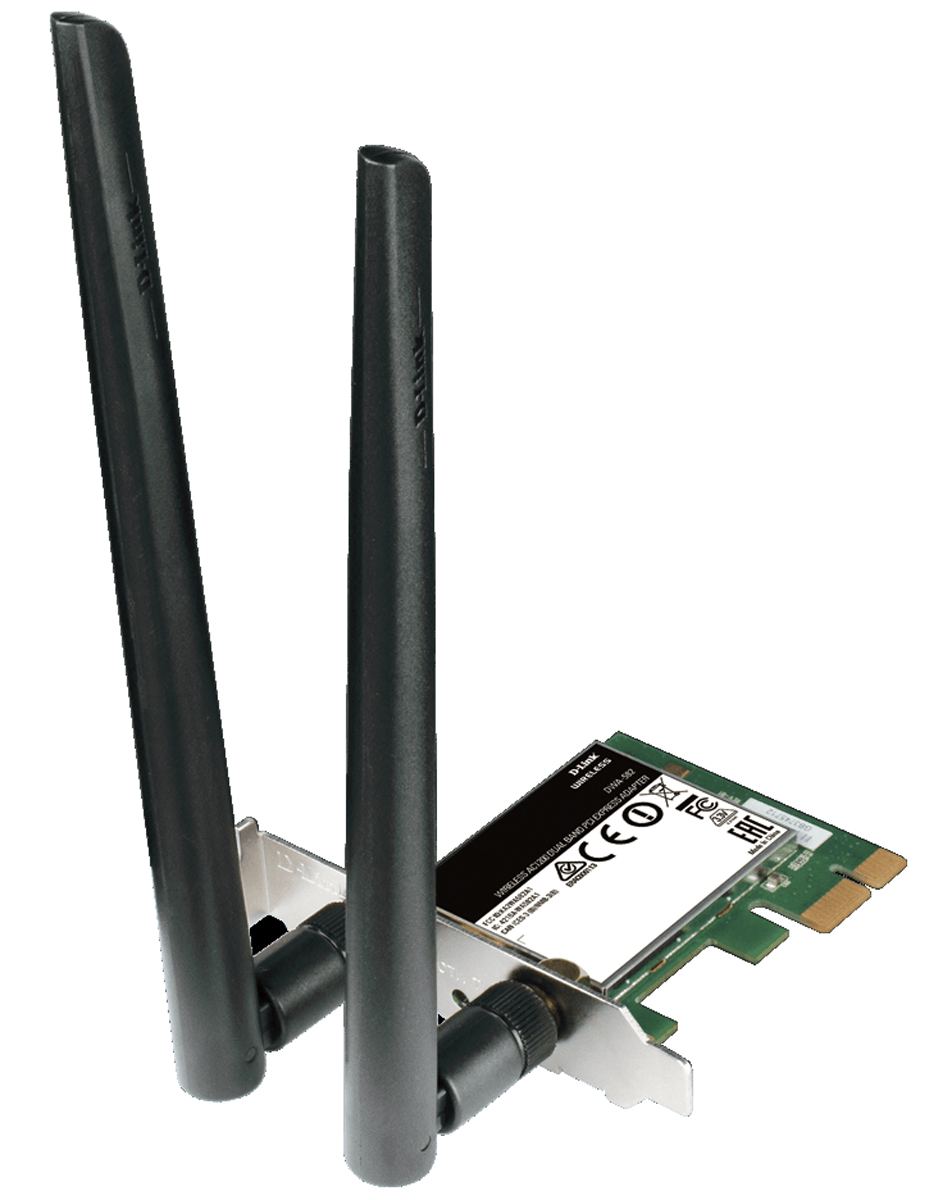
While USB Wi-Fi adapters function adequately, particularly the Wi-Fi 6 and later models, they cannot match the performance levels of a PCIe Wi-Fi card. There are several reasons for this, but it primarily comes down to key factors like thermal throttling and USB bottlenecking, issues that PCIe Wi-Fi cards avoid. Moreover, numerous PCIe Wi-Fi cards include adjustable antennas connected via cables, which can be arranged further from the computer to mitigate wireless interference. Thus, although USB Wi-Fi adapters serve their purpose, they aren’t a practical choice for serious users.
USB port Wi-Fi adapters present too many drawbacks for serious users
fjr gallery/Shutterstock