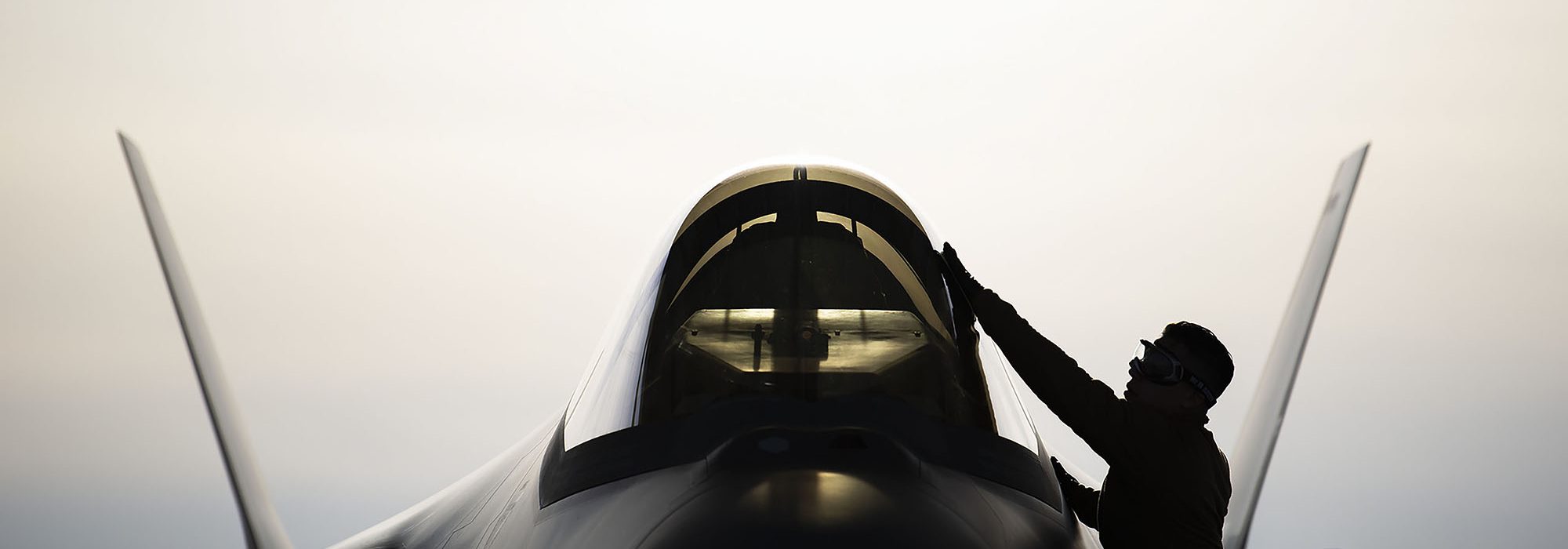
The Pentagon has introduced initiatives for hypersonic jets multiple times throughout the last twenty years; however, because of the inherent difficulties associated with the technology, hypersonic aircraft have not advanced beyond the testing phase. Everything the Air Force has attempted to date has proven to be either exceedingly inefficient, extremely hazardous, or, more frequently, a combination of both.
Supersonic flight is dangerous enough as it stands, presenting numerous difficulties ranging from the damaging sound waves produced by sonic booms, to the severe physical strain on pilots, to the substantial financial costs involved. Transitioning to hypersonic speeds exacerbates all these challenges and introduces an even greater issue. The foremost obstacle to achieving hypersonic flight is the occurrence of aerodynamic heating. In simple terms, as a plane increases its speed, it generates more friction with the surrounding air, which can produce a lethal amount of heat. The Pentagon must discover a method to protect its fighter jets from this heat; otherwise, pilots may encounter more threats from their aircraft than from any adversary.
