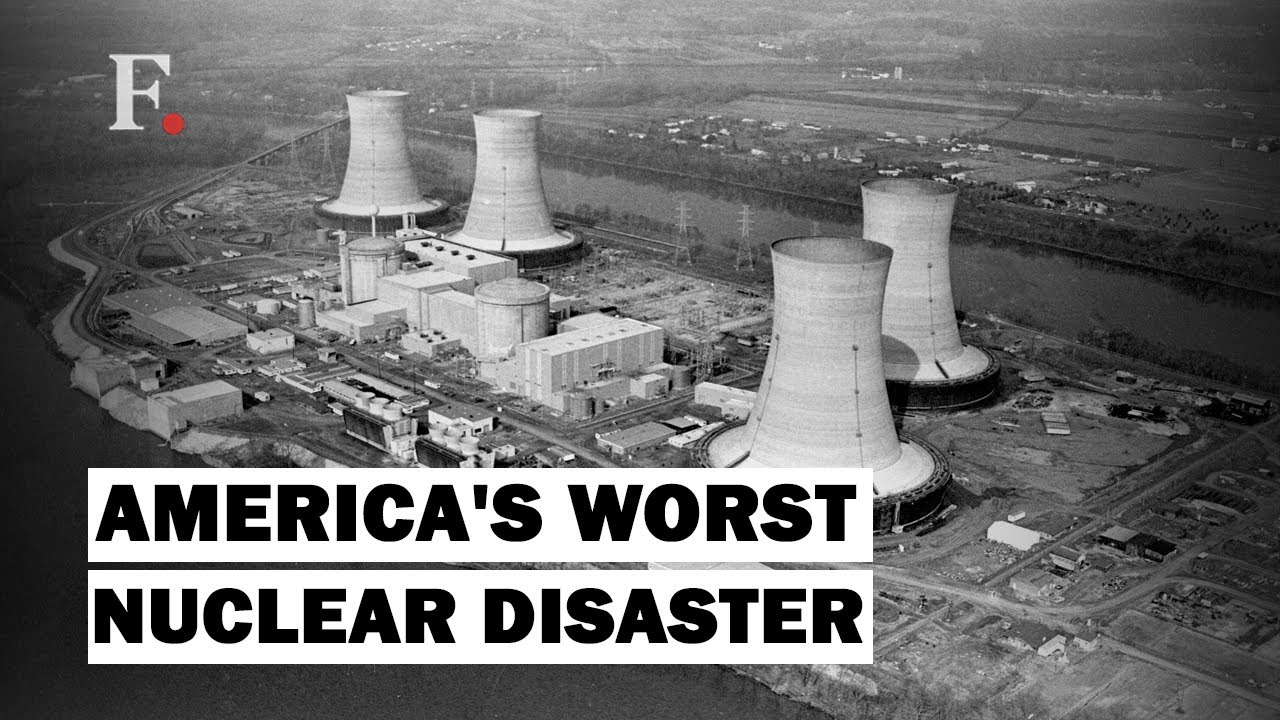
When you envision nuclear disasters, you likely think of Chernobyl and Fukushima, yet the most catastrophic nuclear incident in American history actually took place in the hills near Los Angeles during the summer of 1959. An experimental operation led to a meltdown at the nuclear reactors of the Santa Susana Field Laboratory, releasing radiation levels estimated to be up to 300 times higher than those seen in the infamous Three Mile Island incident. Sixty years later, the environmental and political repercussions of the Santa Susana catastrophe still affect the region.
The Santa Susana Field Laboratory (SSFL), previously known as Rocketdyne, stands as a symbol of the innovation that characterized America’s post-war era. Even following the 1959 disaster, the facility remained operational until 2006. In spite of these continued operations, efforts to clean up have been drastically insufficient. Environmental advocates highlight the field’s pollution as a significant illustration of the government’s failure to safeguard communities. However, the field’s new corporate owners have largely dismissed these concerns as exaggerated, aiming to convert the former nuclear site into a nature reserve. Activists contend that this approach primarily alleviates the company’s cleanup responsibilities due to reduced decontamination requirements, thereby maintaining the site’s toxic contaminants instead of eliminating them.
The disaster serves as a pivotal example of the challenges facing the burgeoning nuclear energy sector in the U.S. With secretive military research, overt cover-ups, and a cleanup process mired in bureaucratic stagnation, this narrative resembles that of a film script. In fact, the incident inspired an award-winning documentary, “In the Dark of the Valley.” Sixty years post-meltdown, Santa Susana raises essential questions about government transparency, corporate accountability, and environmental protection regulations, especially as the United States continues to investigate the viability of next-generation nuclear energy.
The Santa Susana meltdown was a monumental calamity
On Monday, July 13, 1959, workers in the notorious Area IV section of the SSFL observed that the reactor was experiencing dangerously high temperatures. Alarmed by the possibility of an uncontrolled reaction, the scientists implemented drastic cooling measures, driving the reactor’s control rods into the core and releasing radioactive gas to reduce the risk of an explosion. After the temperatures decreased, the team revived the reactor, unaware that it was still in the midst of a mini-meltdown. Lacking modern containment systems, plant scientists mixed the fission products with outside air before filtering them through a ventilation system, ultimately emitting an estimated 130–13,000 curies of iodine-131 and 260–2,600 curies of cesium-137 into the atmosphere. For comparison, Three Mile Island only discharged 17 curies of iodine-131, rendering Santa Susana potentially one of the most contaminated nuclear sites in the country. Importantly, the wide range of these estimates highlights the uncertainty experts still face regarding the accident’s magnitude and consequences.
Surprisingly, news of the catastrophe did not reach the public until two decades later, when UCLA student Michael Rose uncovered the Atomic Energy Commission’s records and subsequent cover-up of the incident. Over the next fifty years, at least three more incidents occurred across its ten nuclear reactors. The lab also released contaminants through its hot lab, a disposal site where the nation’s nuclear fuel and reactor components were dismantled. Similarly, advocates later found that the lab’s plutonium fuel fabrication facility unlawfully burned contaminated reactor parts in open pits, releasing pollutants into the encroaching local community. The tens of thousands of rocket tests conducted at the lab led to millions of gallons of toxic chemicals infiltrating the site’s soil and water, which were then carried into nearby communities by stormwater runoff, wind, and various other environmental factors.
Tackling contamination at Santa Susana
Scientists are divided on the extent to which the site’s toxins have adversely affected local populations. For example, a 1997 UCLA study indicated that SSFL workers showed significantly higher rates of radiation-related cancers and mortality but was quickly challenged eight years later by a Boeing-funded research project which found no meaningful correlation. However, two years later, researchers at the University of Michigan identified a 60% rise in specific cancers within two miles of the lab, while investigators at USC’s Keck School of Medicine found no quantifiable evidence supporting this claim in 2014.
To address possible contamination, California’s EPA reached agreements with NASA and the Department of Energy to clean up the facility by 2017. Boeing, which currently owns the site, opted not to sign a similar pact, and the state’s deadline lapsed without any decontamination initiatives commencing. A year later, a nearly 100,000-acre wildfire ignited at the lab site, unearthing toxic waste in the field’s soil and enveloping surrounding communities in radioactive smoke, spreading contamination up to nine miles away. Meanwhile, advocates have criticized the public authority responsible for ensuring the site’s owners are accountable for cleanup, California’s Department of Toxic Substance Control, for allowing much of the site’s hazardous chemicals to remain.
In 2022, CalEPA enacted stricter cleanup protocols
