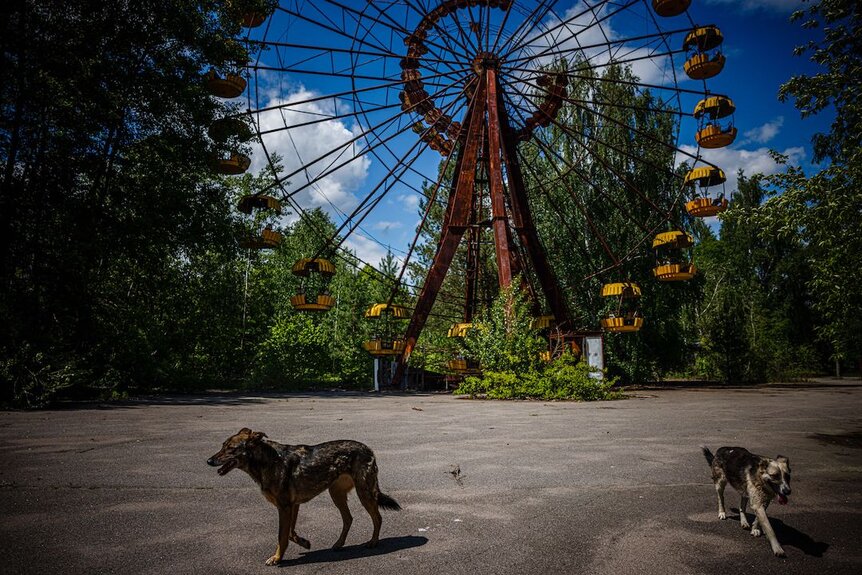
how radiation present in the CEZ could influence the evolution rate of animals, humans, and vegetation. A significant factor contributing to the CEZ’s status as a center for these hypotheses is the dramatic surge in animal and plant life following humanity’s departure from the region, which remains contaminated nearly 40 years on.
As time progress, scientists have grown increasingly eager to explore the potential evolutionary consequences that might be unveiled in the CEZ. A 2025 study has delved into the possible impacts of radiation on both plants and animals, shedding light on how these organisms have reacted to prolonged radiation exposure. Although there have been notable findings of genetic damage overall, there also seem to be adaptive responses that have been observed. Given that Chernobyl is frequently regarded as one of the worst nuclear catastrophes globally, researchers have consistently monitored the aftermath of the disaster.
Moreover, another 2024 study highlighted distinct genetic variations between dogs living inside versus outside the CEZ, yet the researchers indicate that we have merely begun to explore the potential for witnessing rapid evolution in real-time.
<div class="slide-key image-holder gallery-image-holder credit-image-wrap " data-post-url="https://www.bgr.com/2057390/dogs-chernobyl-evolving-study-explained/" data-post-title="Are
