Toshe_o/Getty Images
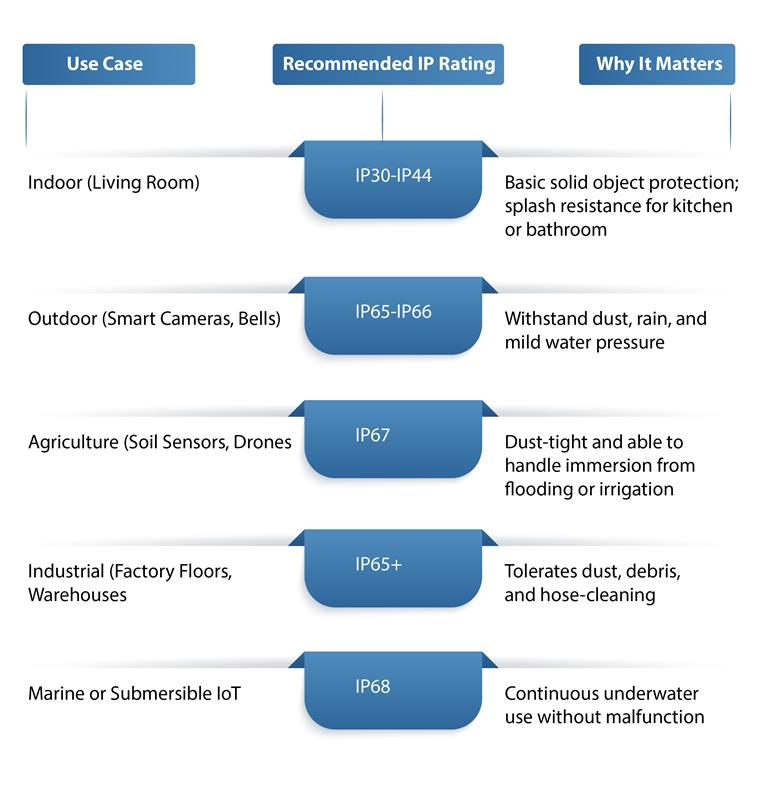
A mobile device’s ingress protection (IP) rating pertains to its defense against both dust and moisture. This rating starts with “IP” and is followed by either two digits or a single digit with an “X” in one of the positions. Understanding this information is crucial as it will (or should) guide how and where you utilize your device. There are significant differences between the values. A typical rating is IP68, representing the utmost level of safeguard against dust particles as well as the capability for the device to be submerged in a specified depth of water for a defined period.
An essential detail to recognize regarding a water-resistant rating is that it applies to freshwater sources, like a bathtub at home or a swimming pool with a moderate level of chlorine. However, this rating does not safeguard the phone against saltwater, which may damage electronic parts. Therefore, taking it into the ocean could potentially nullify the warranty. Only the highest ratings address temperature variations and high-pressure sprays. Additionally, water resistance diminishes with time, meaning a device you’ve owned for several years won’t maintain the same level of protection as when it was brand new.
What do IP ratings signify?