

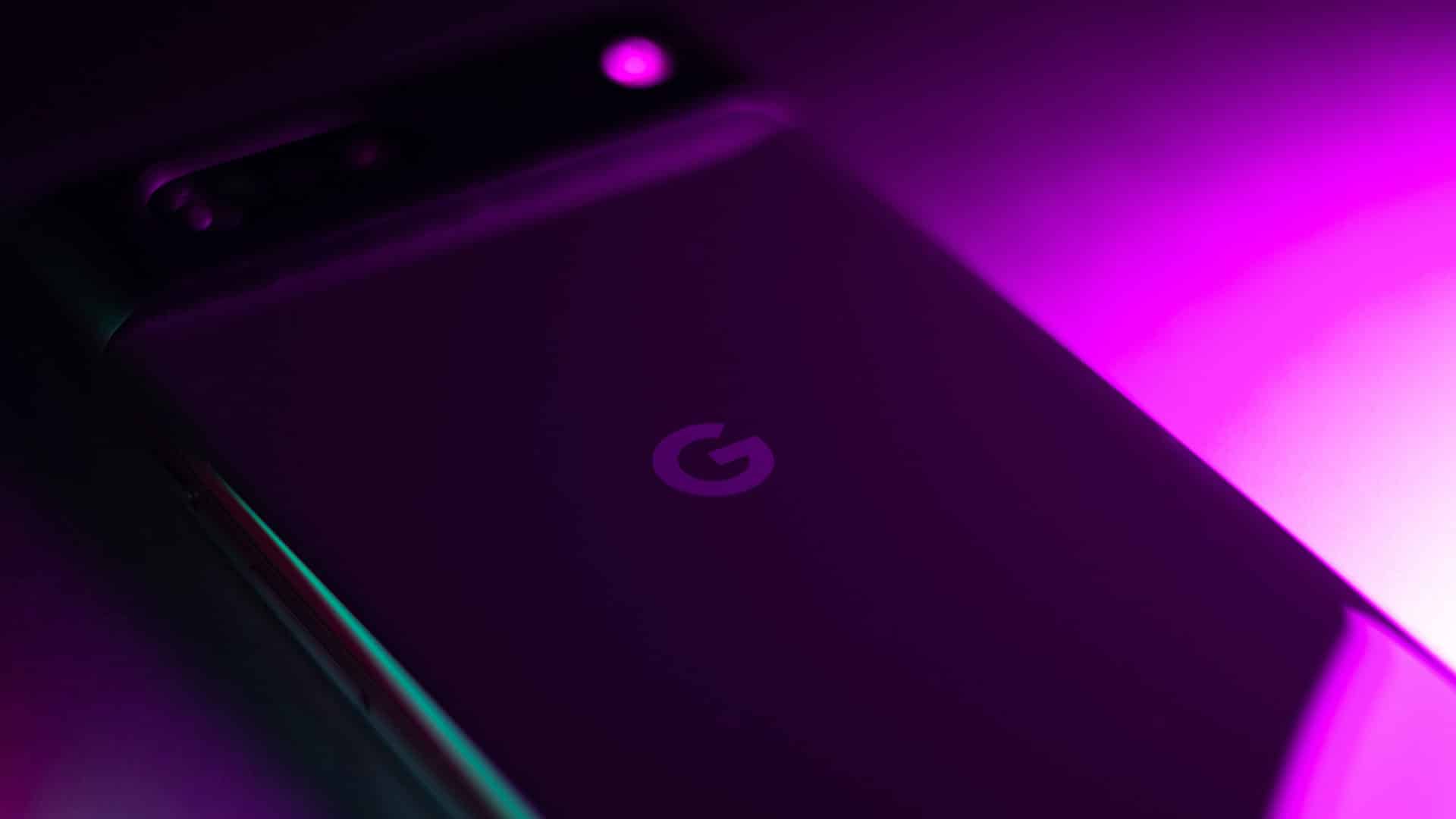
Google has formally announced the Google Pixel 10a, providing an exciting choice for individuals in search of a superb midrange smartphone. Anticipation for the 10a has been building since its design was leaked in October 2025, with the Pixel-a series serving as an excellent option for budget-conscious buyers. Although Google is pricing the Pixel 10a unexpectedly low, especially with 2026 poised to be the priciest year for tech, there might be justification for the lower price point. It’s easy to observe that the specifications of the Google Pixel 10a closely mirror those of last year’s Pixel 9a.
Both models boast the same processors, cameras, and RAM/storage configurations, with only a few minor distinctions setting them apart. Google is providing attractive incentives for early purchasers of the Pixel 10a, but for those already using the Pixel 9a, convincing oneself to upgrade could prove challenging. With AI contributing to a chip shortage that may drive smartphone prices up, Google had to make some difficult choices to maintain the Pixel 10a’s affordability. The Pixel 10a is currently up for preorder, with shipments scheduled for March 5, and users can acquire the device for less than the $499 retail price if they trade in an older model.
Google Pixel 10a vs Pixel 9a – analyzing the specifications
Comparing the Google Pixel 9a and the 10a reveals numerous similarities. To start, both are equipped with the Google Tensor G4 processor alongside a Titan M2 security coprocessor, 8 GB of RAM, and options for 128 GB or 256 GB of storage. The cameras are also alike, featuring 48 MP wide and 13 MP ultrawide lenses on the rear and 13 MP front-facing cameras. One would need to thoroughly examine the Pixel 10a press release to uncover the variances. According to Google, the Pixel 10a presents an 11% brighter display, though both devices sport a 6.3-inch pOLED display. The 10a peaks at 3000 nits, outshining the 9a’s 2700 nits.
Google claims quicker charging times with the 10a, thanks to its 45W fast charging capability, although both devices maintain a 30-hour battery life. Additionally, there’s enhanced screen protection featuring Gorilla Glass 7i, which surpasses the Gorilla Glass 3 utilized in the 9a. The 10a also introduces extra camera tools, including Auto Best Take for selecting the optimal photo and Camera Coach for AI-driven suggestions on lighting and composition. Furthermore, the Pixel 10a incorporates a greater percentage of recyclable materials compared to the 9a, including gold, tungsten, copper, and cobalt recyclables.
Is the price justified?
The Pixel 10a is priced at $499 and is now available for pre-order. With color options such as Obsidian, Lavender, Berry, and Fog, buyers can receive $100 in Google Store credit or the new Pixel Buds 2a if they purchase the unlocked device before March 11. Meanwhile, the Pixel 9a, being last year’s model, is readily available for under $500; for instance, Amazon lists the Pixel 9a at approximately $400. Nevertheless, opting for the Pixel 10a presents advantages beyond the new camera enhancements and improved specifications.
The 10a comes with Android 16, as opposed to Android 15 on the Pixel 9a, thereby ensuring you remain slightly ahead with 7 years of updates. If you’re in the market for a new midrange smartphone, the Pixel 10a is the more logical choice; it’s the latest model. However, the Pixel 9a remains a strong contender, making it a worthwhile option if you want to save some money, particularly if you find one priced around $350-400. But for those owning a Pixel 9a — hold onto it. There’s no need to purchase the same phone again.