

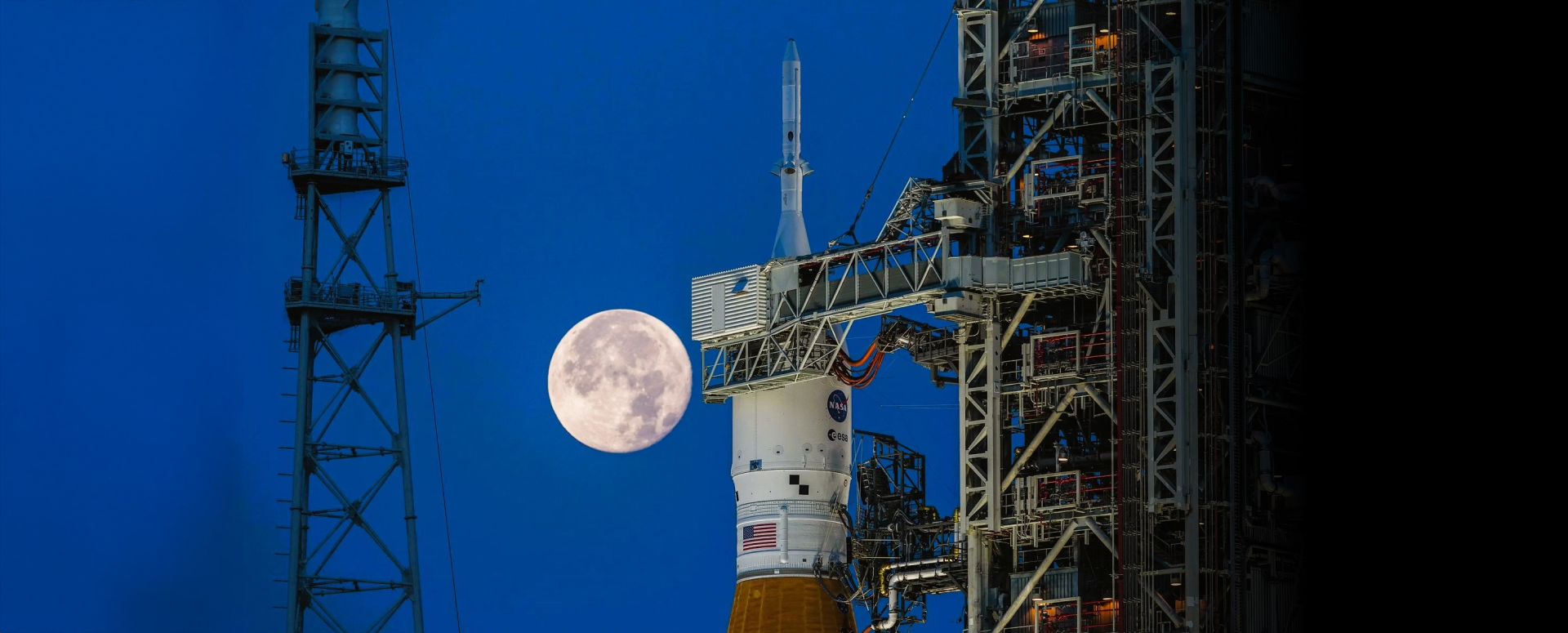
NASA was ultimately prepared to initiate the inaugural crewed mission of the Artemis program, Artemis II. Nonetheless, with Artemis II encountering numerous challenges, the space community has remained anxious, uncertain about when the space rocket might actually launch. Regrettably, it appears that the issues have prevailed, as NASA is now getting ready to return the SLS rocket and Orion spacecraft, effectively postponing March’s launch attempt, at least for the time being.
For those not entirely familiar with the various terminology employed to describe different phases of a rocket’s launch, a rollback refers to the process of transporting the rocket and all its components “rolled back” to the Vehicle Assembly Building, or VAB, from the launchpad. The VAB is where the rocket can be adequately serviced, permitting the engineers responsible for the rocket and its multiple systems to address any problems that may have arisen, and it takes around 12 hours to move the rocket back to the VAB, given that it is a four-mile journey.
In this specific case, the issue that seems to be delaying the launch of Artemis II is not related to Artemis’s spacesuits or even the hydrogen leak that the SLS rocket has been facing during refueling. Instead, it seems that one of the recent attempts to ready the rocket for launch has uncovered a new complication: a helium leak in the upper stage rocket.